Customs checkpoints face a persistent challenge: how to verify the contents of vehicles quickly without forcing drivers to exit, open trunks, or unload cargo. Conventional methods rely on manual inspections, sniffer dogs, or X-ray scanners, each with significant drawbacks. Manual checks are time-consuming and create bottlenecks, especially during high-traffic periods. X-ray systems, while effective, involve radiation exposure and require massive infrastructure. Drivers often resist lengthy delays, and the intrusive nature of these procedures can escalate tensions. The core pain point lies in balancing speed, safety, and thoroughness—a dilemma that demands a technology capable of seeing through common barriers without contact or disruption.
The Penetration Imager directly addresses this by using laser range-gated imaging to capture clear, high-contrast images through transparent optical media such as automotive glass, windshields, and even thick armored windows. Unlike thermal cameras that only detect heat signatures or standard CCTV that fails in glare, this active imaging system fires a pulsed laser and synchronizes a gated intensifier camera to receive only the light reflected from a specific distance. This eliminates backscatter from dust, rain, or fog, and suppresses reflections caused by glass surfaces. The result is a sharp, real-time view of items inside a vehicle—such as hidden compartments, contraband packages, or unauthorized passengers—without opening a single door. The system operates entirely in the optical spectrum, emitting no harmful radiation and posing zero risk to personnel or goods.
In practice, customs officers simply point the Penetration Imager at a target vehicle from a standoff distance of up to several hundred meters. The device, built around a high-repetition-rate pulsed laser, an image-intensified gated camera with microchannel plate and high-voltage timing modules, and beam-expansion optics, captures a frame in milliseconds. Operators view the result on a ruggedized tablet or monitor, where hidden objects behind tinted or laminated glass become visible as if the glass were removed. This non-intrusive scan takes under ten seconds per vehicle, allowing traffic to flow while high-risk targets are flagged for secondary inspection. The system performs reliably in harsh weather—heavy rain, snowfall, fog, or even smoke from nearby fires—where conventional cameras fail. It boosts visibility in fire-affected areas by three to five times, though it cannot penetrate dense smoke.
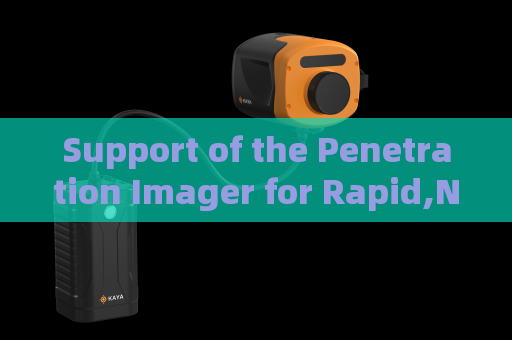
Deploying the Penetration Imager at customs checkpoints transforms operational efficiency. A single unit can screen an entire lane of vehicles during peak hours, reducing average inspection time from minutes to seconds. The technology also enhances officer safety by enabling remote assessment of suspicious vehicles without physical approach. Because the imager only works through optically transparent barriers like vehicle glass, aircraft windows, or glass curtain walls, it never crosses into the domain of solid-wall penetration—a critical boundary that separates it from prohibited technologies such as wall-penetrating radar or X-ray systems. This optical-only approach ensures compliance with international security regulations and public health standards. By integrating the Penetration Imager into a layered checkpoint strategy, customs authorities finally achieve the rapid, non-intrusive security check that the title describes—a solution that sees through glass without the delays, risks, or invasiveness of traditional methods.




