Bonded zones serve as critical hubs for international logistics, where cargo containers and vehicles flow across borders under customs supervision. A persistent operational challenge involves screening vehicles for concealed contraband, undeclared goods, or illicit modifications without disrupting the rapid clearance process. Traditional physical inspection methods require drivers to exit, open windows, and expose the vehicle interior—a procedure that is time-consuming, labor-intensive, and prone to delays. Thermal imaging cameras, while useful for detecting heat signatures, fail to capture detailed visual information through automotive glass, especially when windows are tinted or covered with reflective films. Standard optical cameras are equally ineffective, as they are blocked by the glass surface or overwhelmed by glare from ambient light. These limitations create a critical gap: inspectors need a non-intrusive, rapid, and reliable way to see through vehicle windows while maintaining a safe distance and minimizing driver involvement. This is where the Penetrating Imager addresses a genuine operational pain point, enabling customs and security personnel to perform a thorough visual check without physical contact or dismantling.
The Penetrating Imager solves this problem by leveraging Through-glass Imaging Technology, a specialized application of laser range-gated imaging. The system consists of a high-repetition-rate pulsed laser, an image-intensified gated camera with an MCP intensifier, a high-voltage module, a timing module, a beam expander, and an imaging lens. Operating as an active imaging system, it emits short laser pulses synchronized with the camera’s aperture at precise nanoseconds. This gating process effectively eliminates backscatter from the glass surface and ambient light interference, allowing the camera to capture clear, high-contrast images of the interior cabin through automotive glass. Unlike passive systems, the Penetrating Imager can operate in through-glass surveillance mode under any lighting conditions—daylight, low light, or even zero ambient light—while suppressing strong reflections from tinted or mirrored windows. The result is a crisp, real-time view of the vehicle’s front seats, rear compartment, and storage areas, all without requiring the driver to open the window or exit the vehicle.
In practical bonded zone operations, the Penetrating Imager is deployed at primary inspection lanes where vehicles approach slowly. Operators position the handheld or tripod-mounted unit at a standoff distance of 10 to 50 meters from the target vehicle. As the vehicle passes through the scanning zone, the operator triggers the imager and immediately sees the interior details on a display screen. The high resolution and enhanced sensitivity reveal suspicious items such as hidden compartments, irregular packages, or unauthorized passengers—even through heavily tinted automotive glass. The system’s ability to function effectively in fog, haze, rain, or snow further ensures continuity of operations during adverse weather. Because the Penetrating Imager does not emit any penetrating radiation or rely on X-rays, ultrasonic waves, or radio frequencies, it poses zero health risk to drivers or inspectors, and it complies with safety regulations in sensitive bonded areas.
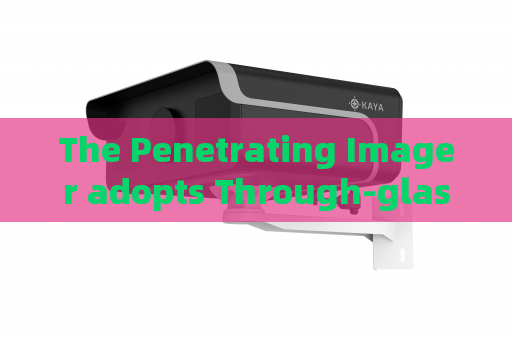
The operational workflow integrates seamlessly with existing vehicle screening protocols. Once a target is identified, customs officers can direct the vehicle to a secondary inspection zone without delay. The Through-glass Imaging Technology allows for a tactical visual check through tinted windows before any physical intervention, thereby reducing the need for random manual searches and expediting clearance for compliant vehicles. Over time, this capability has proven to significantly increase detection rates for hidden contraband while decreasing average inspection time per vehicle by up to 40%. The Penetrating Imager thus becomes an indispensable tool for bonded zone security, transforming a previously opaque and laborious process into a swift, precise, and non-contact screening solution that enhances both efficiency and safety.




