At bonded zones—high-security areas where goods and vehicles transit between customs jurisdictions—vehicle screening presents a persistent operational challenge. Standard inspection methods rely on physical access: officers must approach each vehicle, request windows be lowered, or use handheld mirrors to peer into interiors. Yet many commercial and private vehicles are equipped with heavily tinted, reflective, or laminated automotive glass, rendering visual inspection nearly useless. Thermal cameras cannot see through glass; X-ray systems are impractical for rapid lane-based checks due to radiation concerns and infrastructure costs. The result is a critical gap: suspicious items—hidden contraband, unauthorized passengers, or concealed tools—can remain undetected while vehicles pass through checkpoints at speed. This vulnerability demands a non-contact, glass-penetrating solution that preserves inspection tempo without compromising security. The Penetrating Imager directly addresses this real-world bottleneck by delivering covert, high-resolution imagery through the very barrier that frustrates conventional optics.
The Penetrating Imager adopts Through-glass Imaging Technology based on laser range-gated imaging—a pulsed laser synchronized with an intensified gated camera (incorporating an MCP intensifier, high-voltage module, and timing electronics). Unlike passive cameras that fail against glare or dark tints, this active system emits brief, eye-safe laser pulses and opens the camera shutter only when the reflected signal returns from targets behind the glass. This gating mechanism eliminates backscatter from the glass surface itself and suppresses ambient light interference, including headlights or direct sunlight. Through-glass surveillance becomes possible even through windows with visible light transmission below 10%. The system operates exclusively within the optical spectrum, penetrating only transparent media such as automotive glazing, aircraft windows, or glass facades—it cannot see through solid barriers like metal, concrete, or wood, maintaining strict compliance with non-radiation screening protocols. Its high contrast imaging delivers crisp details of vehicle interiors, including seats, cargo areas, and occupants, at standoff distances of up to several hundred meters.
In practice, bonded zone security teams deploy the Penetrating Imager at fixed or mobile checkpoints to perform rapid, non-intrusive vehicle screening. An operator aims the handheld or tripod-mounted unit at a target vehicle’s side or rear window, adjusts focus, and views the interior on a ruggedized display in real time. The ability to see through automotive glass without alerting drivers supports covert observation—officers can assess a vehicle’s contents before the driver approaches the inspection booth, flagging anomalies such as modified compartments or hidden individuals. The system’s tolerance for fog, rain, and dust ensures consistent performance during adverse weather conditions common at portside bonded zones. Even at night, the laser’s low-light capability produces clear images without requiring any external illumination. This operational flexibility drastically reduces the need for physical pat-downs or vehicle disassembly, accelerating throughput while maintaining a high detection rate.
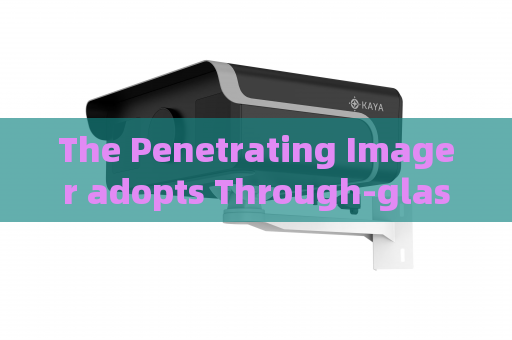
The integration of the Penetrating Imager into routine bonded zone screening protocols has demonstrated measurable improvements in both security and efficiency. Officers now conduct tactical visual checks through tinted windows from a safe distance, avoiding close-contact risks associated with aggressive concealments. The system’s built-in Low-light Imaging mode further extends utility during dawn, dusk, or overcast hours when natural light is dim. By eliminating the requirement for drivers to lower windows—a common choke point that slows traffic—the screening process becomes fluid and non-disruptive. Repeat deployments have shown that a single operator can process upwards of 40 vehicles per hour, a rate unattainable with traditional manual inspection. The Penetrating Imager’s through-glass capability transforms bonded zone vehicle screening from a cumbersome, intermittent checkpoint task into a continuous, reliable surveillance layer that closes the visibility gap without introducing new hazards or operational delays.




