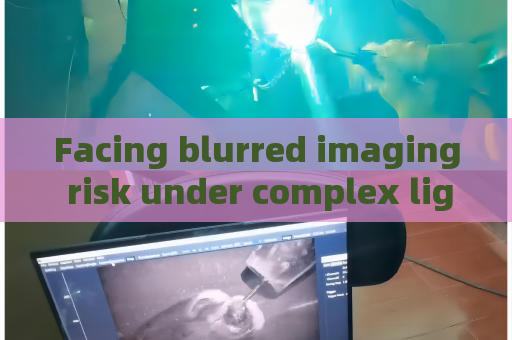
Prison perimeter zones present a unique challenge for security forces. During nighttime hours, when natural light is absent, conventional closed-circuit television (CCTV) systems struggle to capture clear images of activity along fences, walls, and access roads. Suspects may attempt to scale barriers or cut through wire under the cover of darkness, relying on the fact that standard cameras produce grainy, low-contrast footage that makes identification nearly impossible. Even when perimeter floodlights are used, they create harsh shadows and glare that actually degrade image quality. Officers monitoring these feeds face constant eye strain and the risk of missing a critical event. The Penetrating Imager addresses this vulnerability head-on by operating effectively in the most demanding low-light conditions.
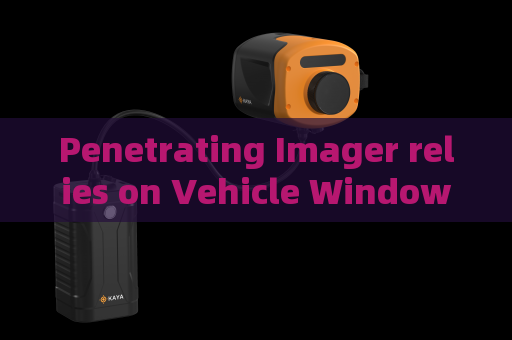
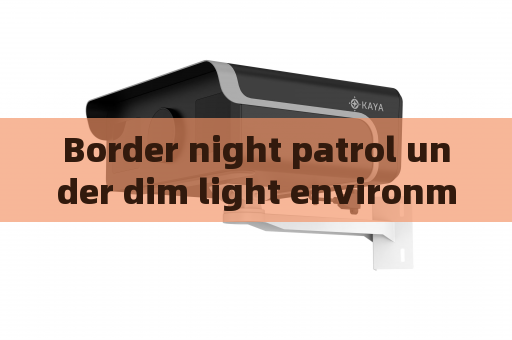
The core advantage of the Penetrating Imager in prison perimeter zones is its ability to deliver clear, high-resolution imagery at night without relying on external illumination. This advanced optical instrument uses laser range-gated imaging technology—combining a high-repetition-rate pulsed laser, an image-intensified gated camera with a microchannel plate (MCP) intensifier, and precise timing modules. Instead of flooding the area with visible light that can alert inmates and create blind spots, the system emits short laser pulses synchronised with the camera’s shutter. This gating mechanism rejects backscatter from fog, rain, or snow and allows only the light reflected from the target at a specific distance to reach the sensor. The result is a crisp, high-contrast image even in zero ambient light. For example, during a covert observation of a perimeter wall at midnight, the Penetrating Imager can capture the silhouette of an individual approaching a restricted zone, revealing details such as clothing texture and limb movement that would otherwise be invisible.
In practical deployment, correctional officers place the Penetrating Imager on a stabilized tripod or vehicle mount at a vantage point inside the perimeter—perhaps behind a reinforced glass window in a guard tower. The device’s through-glass covert observation capability allows operators to maintain a concealed posture while scanning the entire boundary. When the system’s automatic gain control activates in Low-light Imaging mode, the operator sees a real-time, high-definition feed on a ruggedised tablet. Any suspicious activity, such as a person crouching near the fence line, is immediately distinguishable from background noise. The system’s long-range performance means it can cover stretches of boundary exceeding 1,000 metres, reducing the number of monitoring posts required. Furthermore, because the Penetrating Imager does not emit any detectable radiation or sound, it cannot be detected by the subjects under surveillance, preserving the element of surprise for response teams.
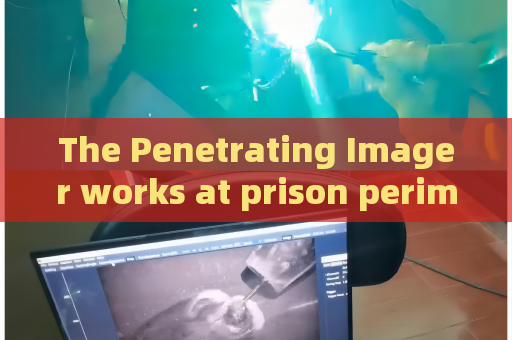
The real-world impact becomes most apparent during adverse weather. Rain, light fog, or dust kicked up by wind can cripple standard night-vision systems, but the Penetrating Imager maintains its effectiveness. Its gate width can be adjusted to match the distance of interest, filtering out intervening particles. In one documented prison perimeter test, the device continued to produce usable images through a moderate downpour, allowing guards to observe a delivery vehicle approaching the sally port. The system also overcomes the problem of high-contrast glare from vehicle headlights or perimeter floodlights—its Strong Light Suppression Imaging algorithm automatically attenuates bright spots, preventing sensor saturation. This ensures that a person moving along the fence line remains visible even when a patrol car’s high beams sweep across the area. By integrating the Penetrating Imager into the existing perimeter surveillance architecture, prison security achieves a level of situational awareness that was previously unattainable in Low-light Imaging conditions.