Enhancing Security and Efficiency: What Role Does a Penetration Imaging System Play in Community Patrol Vehicle Insp inspections? In the evolving landscape of community policing and public safety, technology plays an increasingly pivotal role. Among the most transformative tools for law enforcement agencies is the penetration imaging system. This advanced technology fundamentally reshapes community patrol vehicle inspections**, transitioning them from largely manual, visual checks to rapid, non-invasive, and highly accurate security screenings. By allowing officers to "see" through non-metallic surfaces, these systems address critical challenges in officer safety, contraband interdiction, and operational efficiency during routine patrols and targeted inspections.

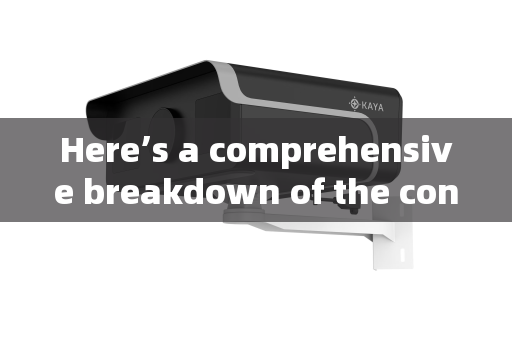
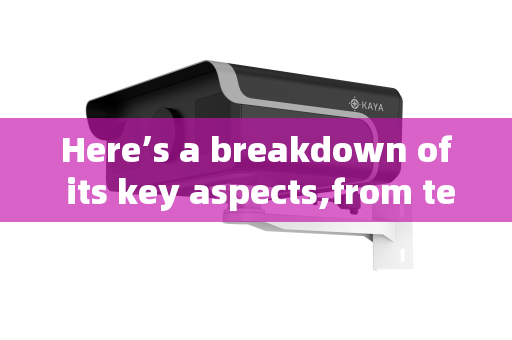
Penetration Imager Effect Images
Technological Foundation and Operational Advantages A penetration imaging system typically utilizes millimeter-wave or Terahertz imaging technology. Unlike metal detectors, it can detect both metallic and non-metallic items—such as drugs, explosives, ceramics, and liquids—concealed within a vehicle's panels, upholstery, or seemingly innocuous compartments. For a community patrol vehicle unit, this capability is a force multiplier. During a standard inspection, officers can conduct a preliminary scan in minutes without physically dismantling any part of the vehicle. This not only significantly speeds up the checkpoint process, minimizing disruption to lawful citizens, but also reduces the physical risks to officers who might otherwise need to conduct hands-on searches in potentially hazardous situations.

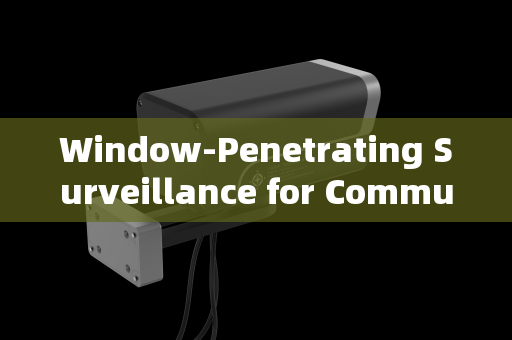
Penetration Imager Effect Images
Strategic Applications in Daily Patrols and Crime Prevention The integration of this system into community patrol vehicle operations serves multiple strategic purposes. First, it acts as a powerful deterrent; the visible presence of such technology discourages attempts to transport illegal items through patrolled neighborhoods. Second, it enables inspections that are both thorough and respectful of privacy, as the systems are often configured to display generic threat alerts or blob-like outlines rather than detailed anatomical images. This balance is crucial for maintaining public trust in community policing initiatives. Patrols can efficiently screen suspicious vehicles reported by residents or identified through observational stops, leading to more precise interdiction of weapons, stolen goods, or trafficking materials before they enter the community.

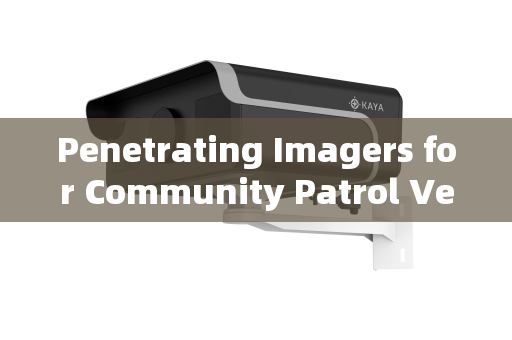
Penetration Imager Effect Images
Conclusion: A Cornerstone for Modern, Proactive Policing In conclusion, the role of a penetration imaging system in community patrol vehicle inspections is profound and multifaceted. It elevates inspection capabilities from superficial checks to comprehensive security assessments, directly enhancing officer safety, operational speed, and investigative accuracy. As threats to community safety become more complex and concealed, this technology provides patrol units with the necessary edge to conduct proactive, intelligence-led inspections. The adoption of such systems represents a commitment to leveraging innovation for safer communities, making the penetration imaging system an indispensable asset in the modern community patrol vehicle's toolkit.
(Image Descriptions for Integration)
- Figure 1: A diagram illustrating how millimeter-wave technology from a vehicle-mounted system penetrates a car's exterior to detect hidden objects.
- Figure 2: A community patrol officer operating a handheld penetration imaging device during a vehicle inspection at a roadside checkpoint.
- Figure 3: A sample operator screen display, showing an alert overlay on a vehicle's outline indicating the location of a concealed non-metallic item.
- Figure 4: A graphic comparing traditional manual search methods versus a rapid scan using a penetration imaging system, highlighting time and safety differences.