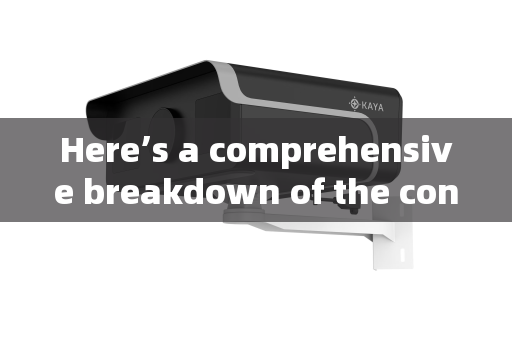
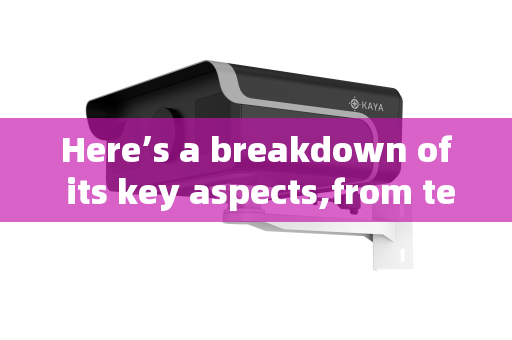
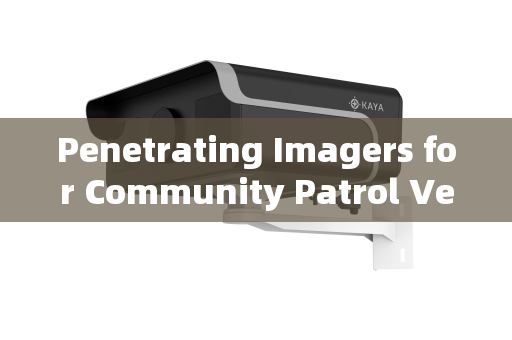
Window-penetrating surveillance technologies (such as thermal imaging or millimeter-wave radar) raise significant legal and ethical concerns when considered for community safety patrols.
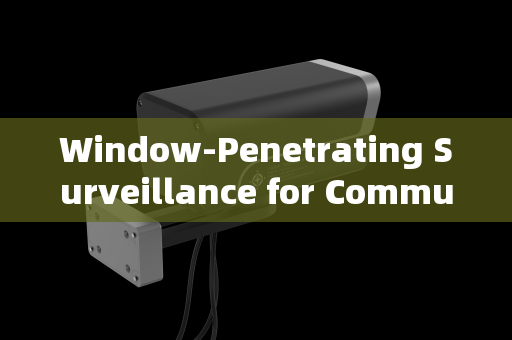
Penetration Imager Effect Images
Legal Context
In most jurisdictions, including the United States under the Fourth Amendment, using technology to see through walls or windows without a warrant constitutes an unreasonable search. The Supreme Court case Kyllo v. United States (2001) established that using thermal imaging to detect heat patterns inside a home constitutes a search requiring a warrant.
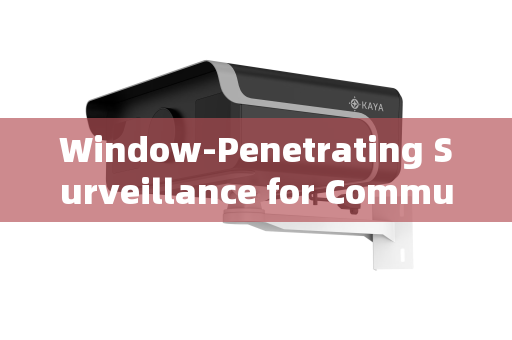
Penetration Imager Effect Images
Ethical Concerns
- Privacy Violations: These technologies can reveal intimate details of private life occurring within homes.
- Function Creep: Once acquired, surveillance tools tend to be used beyond their original purpose.
- Disproportionate Impact: Such surveillance often disproportionately affects marginalized communities.
Practical Alternatives for Community Safety
Community patrols interested in enhancing safety might consider:
- Visible patrols and community presence
- Improved lighting initiatives
- Neighborhood watch programs with clear guidelines
- Collaboration with local law enforcement on appropriate crime prevention strategies
- Investment in legal surveillance of public spaces only
Conclusion
While community safety is a legitimate concern, window-penetrating surveillance by private groups or patrols generally violates legal privacy protections and ethical norms. Communities should pursue transparent, consensual approaches to safety that respect the fundamental right to privacy within one's home.
I recommend consulting with legal experts and engaging in community dialogue about appropriate, lawful approaches to neighborhood safety that balance security interests with civil liberties.
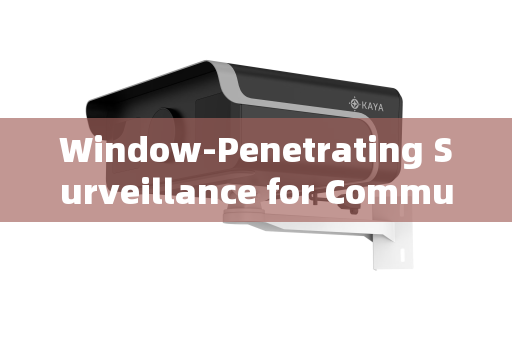
Penetration Imager Effect Images