Overview
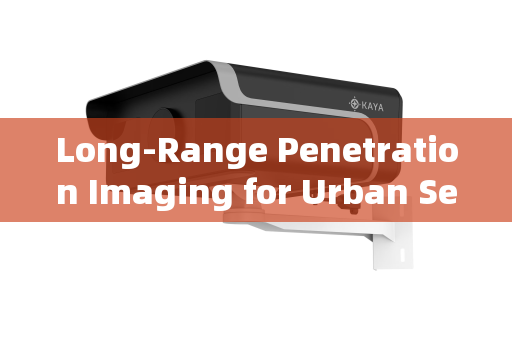
Long-Range Penetration Imaging (LRPI) refers to advanced sensor technologies capable of detecting and imaging objects or activities through various barriers and at significant distances in complex urban environments. These systems enhance situational awareness for security and intelligence operations in cities.
Penetration Imager Effect Images
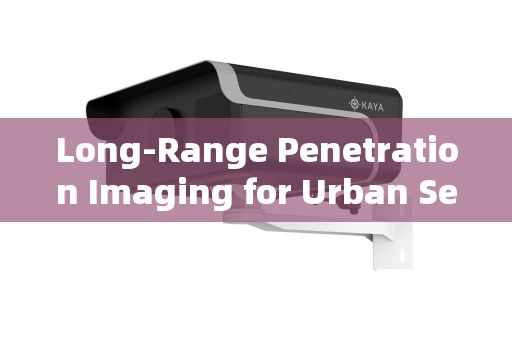
Penetration Imager Effect Images
Key Technologies
Through-Wall Imaging (TWI)
- Radar-based systems using UWB (Ultra-Wideband) signals
- Wi-Fi-based sensing leveraging existing wireless signals
- Acoustic imaging using sound waves
- Applications: Hostage situations, counter-terrorism operations, search and rescue
Long-Range Optical Systems
- Multi-spectral imaging (visible, infrared, UV)
- Hyperspectral imaging for material identification
- LIDAR systems for 3D mapping
- Adaptive optics compensating for atmospheric distortion
Non-Line-of-Sight (NLOS) Imaging
- Detecting objects around corners using indirect light or radar reflections
- Techniques: Transient imaging, computational periscopy
RF Penetration Systems
- Detecting electronic devices through walls
- Radio frequency tomography
- Passive RF sensing using ambient signals
Urban Security Applications
Counter-Terrorism & Law Enforcement
- Suspect monitoring in barricade situations
- Illegal weapons/explosives detection in buildings
- Tunnel detection under urban areas
- Surveillance of secured facilities from standoff positions
Border & Perimeter Security
- Monitoring across urban boundaries
- Detection of underground border crossings in urban zones
- Port and critical infrastructure protection
Search and Rescue Operations
- Locating survivors in collapsed structures
- Building assessment post-disaster
- Firefighting support through smoke and walls
Critical Infrastructure Protection
- Subsurface utility monitoring
- Bridge and tunnel integrity assessment
- Power plant and communications facility security
Technical Challenges in Urban Environments
Signal Degradation Factors
- Multipath interference from buildings
- Atmospheric absorption and scattering
- Signal attenuation through various construction materials
- Urban clutter and electromagnetic noise
Resolution Limitations
- Trade-offs between penetration depth and resolution
- Angular resolution constraints at long ranges
- Motion blur from moving targets
Data Processing Requirements
- Real-time processing of large data volumes
- Target discrimination in cluttered environments
- Fusion of multi-sensor data
- Automated threat recognition algorithms
Operational Advantages
- Standoff Capability - Reduced risk to security personnel
- Surprise Preservation - Covert intelligence gathering
- All-Weather Operation - Many systems unaffected by weather
- 24/7 Capability - Infrared and RF systems enable night operations
- Reduced Collateral Impact - Non-invasive compared to physical entry
Ethical and Legal Considerations
Privacy Concerns
- Balancing security needs with individual privacy rights
- Legal frameworks for surveillance technology use
- Public transparency and oversight requirements
Regulatory Compliance
- Spectrum allocation for active systems
- Aviation safety for aerial platforms
- Data retention and handling protocols
International Norms
- Export controls on sensitive technologies
- Treaty obligations regarding surveillance capabilities
- Cross-border surveillance implications
Future Developments
Technology Trends
- AI-enhanced target recognition and tracking
- Quantum sensing for improved sensitivity
- Miniaturized systems for UAV deployment
- Multi-static sensor networks
- Cognitive radio systems adapting to urban RF environments
Integration Advancements
- Fusion with other intelligence sources (SIGINT, HUMINT)
- Integration with smart city infrastructure
- Automated alert systems reducing operator workload
- Standardized data formats for interoperability
Implementation Considerations
Cost Factors
- High initial investment vs. operational benefits
- Training requirements for operators
- Maintenance and upgrade cycles
Training Requirements
- Technical proficiency with complex systems
- Interpretation of non-traditional imagery
- Legal and ethical training for operators
- Integration with existing security protocols
Conclusion
Long-Range Penetration Imaging represents a significant capability enhancement for urban security intelligence, offering the ability to gather critical information while maintaining operational standoff. As urban environments become increasingly complex, and as threats evolve, these technologies will likely become more integrated into comprehensive urban security frameworks. However, their deployment requires careful consideration of technical limitations, operational protocols, and ethical boundaries to ensure they serve public safety while respecting civil liberties.
The optimal approach involves layered security systems where LRPI complements rather than replaces traditional methods, creating more resilient and responsive urban security intelligence capabilities.
Penetration Imager Effect Images