Disclaimer: This information is provided for educational, security professional, and law enforcement purposes only. Unauthorized surveillance may violate privacy laws and regulations. Always operate within legal frameworks and with proper authorization.
Penetration Imager Effect Images
Core Technical Challenges
-
Glass Reflections
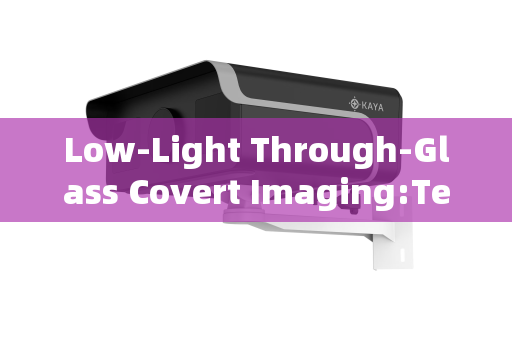
Penetration Imager Effect Images
- Internal room/vehicle reflections overpowering external view
- Photographer's own reflection revealing surveillance
- External light sources creating glare hotspots
-
Low-Light Limitations
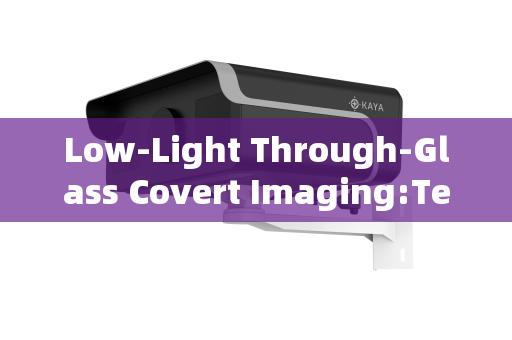
Penetration Imager Effect Images
- Signal-to-noise ratio degradation
- Motion blur from longer exposures
- Autofocus failures in darkness
-
Optical Distortion
- Multi-pane window refraction effects
- Tinted glass spectral filtering
- Curved surfaces distorting geometry
Technical Solutions
Optical Countermeasures
- Polarizing filters - Reduce reflections (circular polarizers often most effective)
- Lens hood/shroud - Physically block peripheral light sources
- Telephoto lenses - Maintain distance from glass surface (300mm+ recommended)
- Lens coupling - Direct contact with glass using rubber baffle (risks detection)
Sensor & Camera Systems
- High sensitivity sensors (Back-illuminated CMOS, EMCCD)
- Wide aperture optics (f/1.2 - f/2.8 prime lenses)
- Infrared capabilities - If glass transmits IR (most do, but some automotive glass blocks)
- Cooled sensors - Reduce thermal noise for extreme low-light
Post-Processing Enhancements
- Stack averaging - Multiple frames reduce random noise
- AI denoising - Tools like Topaz Photo AI or DxO DeepPRIME
- Reflection subtraction - If reference frame of reflections available
- Histogram stretching - Recover shadow detail without blowing highlights
Operational Security Considerations
Concealment Protocols
- Blackout procedures - No internal lights, dark clothing
- Equipment masking - Silhouette breaking, non-reflective surfaces
- Audio discipline - Mirrorless cameras preferred over noisy DSLR shutters
- Thermal signature - Some equipment emits detectable heat
Timing & Positioning
- Golden hour advantage - Interior lights on but external ambient still present
- Angled approaches - 30-45° to glass surface minimizes reflections
- Elevated positions - Downward angles avoid direct eye contact
- Environmental integration - Use natural cover, shadows, architectural features
Legal & Ethical Boundaries
- Expectation of privacy varies by jurisdiction
- Consent requirements for audio recording often stricter than visual
- Evidence chain of custody critical for law enforcement use
- Professional licensing requirements for private security
Alternative/Multi-Modal Approaches
Non-Visible Spectrum
- Thermal imaging - Sees through most glass but shows heat signatures only
- Near-infrared - Many security cameras have IR illumination (850nm typical)
- SWIR systems (1.5-2μm) - Can see through some materials visible light cannot
Supplemental Intelligence
- Acoustic detection - Parabolic microphones can complement visual
- RF monitoring - Cell phone/radio activity correlation
- Pattern-of-life analysis - Temporal behavior versus single observations
Risk Assessment Factors
High-Risk Indicators:
- Direct line-of-sight to subjects
- Extended dwell time at position
- Equipment visible to casual observation
- Operating in controlled/private property without authorization
Mitigation Strategies:
- Quick capture with rapid departure
- Mobile platforms (vehicle-based)
- Multiple alternating observation points
- Overwatch protection for operative
Final Note: Technical capability does not confer legal authority. The most sophisticated imaging system cannot justify unlawful surveillance. Professional operations require proper oversight, documented authorization, and adherence to ethical standards even when monitoring criminal elements.