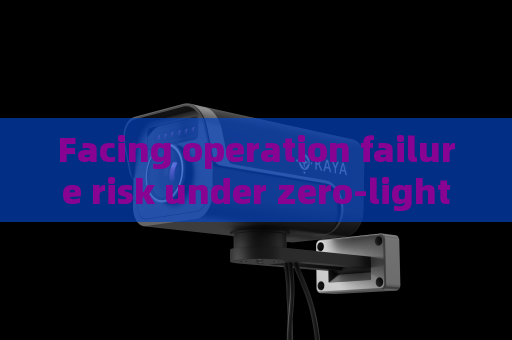
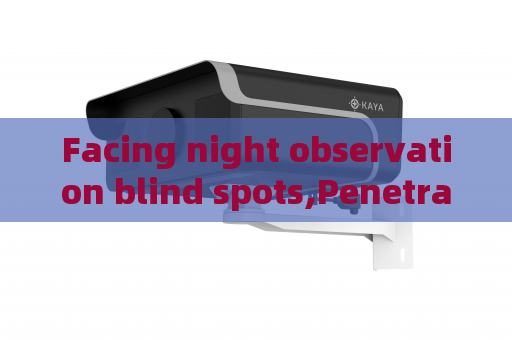
Penetrating Imager supported by Image Intensifier Camera for tactical scene detection addresses a recurring operational problem in vehicle-based tactical reconnaissance: the passenger compartment remains hidden behind glass. Tinted side windows, reflective coatings, rain films, dust, fog, and night-time lighting reduce interior visibility to a vague silhouette. Headlights from passing traffic create glare that washes out cameras. Conventional low-light optics may amplify available light but cannot separate useful return from surface reflections. Officers at checkpoints, perimeter posts, or surveillance positions need to determine occupancy, posture, and visible objects before approaching a suspect vehicle. Delayed assessment forces closer movement, increases exposure, and can alert occupants. The same problem appears at crash scenes, roadblocks, and high-risk stops where quick visual confirmation through glazing is needed without opening a door or breaking a window. A system that combines active illumination with gated image intensification can restore contrast through these optical barriers while remaining within the limits of light-based sensing.
The relevant function is range-gated laser imaging with an image intensifier camera. A high-repetition pulse laser emits short light pulses; a beam expander shapes the illumination; the imaging lens collects the return. The image intensifier camera, built around an MCP intensifier, high-voltage gate, and timing module, opens its gate for a very brief window synchronized to the target distance. This optical gating rejects light scattered by glass surfaces, rain, fog, and haze before it reaches the sensor. The result is a high-contrast, long-range image of the scene behind the glazing. The technique supports through-glass surveillance by using the glass as an optical medium rather than treating it as a final barrier. It is an active imaging method, so it performs in low light and strong glare conditions where passive cameras struggle. It also mitigates backscatter, which is critical when viewing through wet or dirty windows. Its penetration capability applies to optical media such as vehicle window glass, train windows, aircraft cabin windows, and glass facades. It can operate despite fire, fog, haze, rain, and snow interference, though dense smoke is not reliably addressed.
In practice, the unit can be mounted on a tripod, vehicle roof, or fixed observation point and aimed at a selected vehicle. The operator selects a range slice corresponding to the passenger compartment. The pulsed light passes through the window glass, illuminates occupants and objects, and returns through the same glass to the gated camera. Reflections from the outer surface arrive earlier or later than the gated window and are largely excluded, so the image shows seat positions, movement, hands, and carried items with greater clarity. This supports tactical visual check through tinted windows during traffic stops, checkpoint screening, and covert observation of a parked vehicle. The system does not require opening a door, tapping glass, or approaching within arm's reach. At night, the image intensifier supplies the sensitivity needed for low-light return, while the laser provides controlled illumination. In rain or fog, the short gate reduces the veil of scattered light. The outcome is faster threat assessment, better standoff distance, and clearer documentation of what is visible through the glazing. The image can also be recorded for later review, preserving a visual record of the compartment as observed during the checkpoint or surveillance window. The same workflow can be repeated across multiple vehicles without changing the fundamental optical principle.
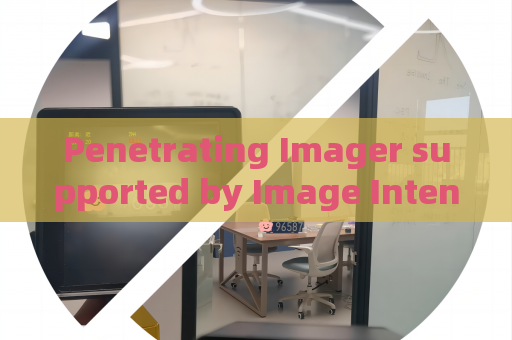
Operational value in this tactical scene is not unlimited. The method remains an optical instrument: it reads light returned through transparent or semi-transparent media. Vehicle glazing, laminated security glass, and coated windows form the intended working environment, provided the medium allows sufficient light transmission. If the glass is heavily soiled or the target area is fully blocked by an opaque cover, the image degrades. Dense smoke also defeats the gating advantage. Within those boundaries, Penetrating Imager supported by Image Intensifier Camera for tactical scene detection gives commanders a confirmable visual layer before physical contact. The camera's MCP intensifier and synchronized gate allow observation at distance with high resolution and strong interference rejection. The laser pulse and narrow time gate convert a confusing reflective surface into a readable scene slice. For checkpoint teams, surveillance units, and roadblock personnel, this changes the decision sequence: observation through glass becomes possible while the vehicle remains closed and the tactical position remains protected. The result is a focused, light-based capability for seeing into enclosed vehicle spaces through glazing, supporting safer and more precise tactical scene detection.