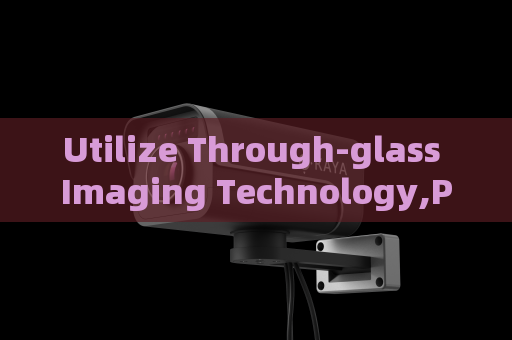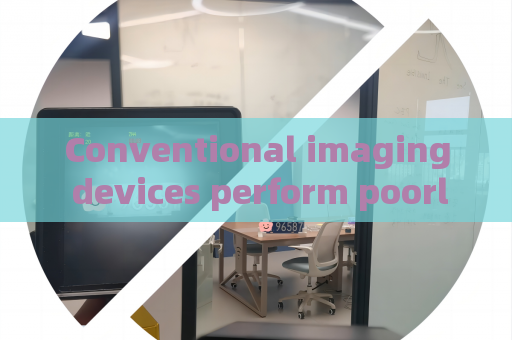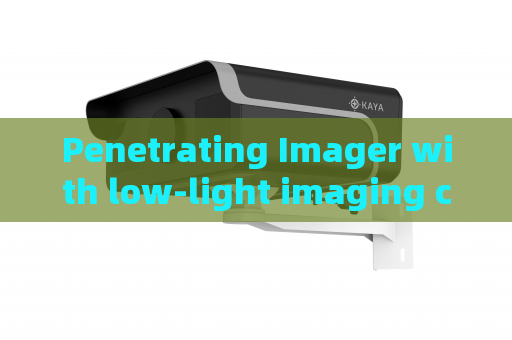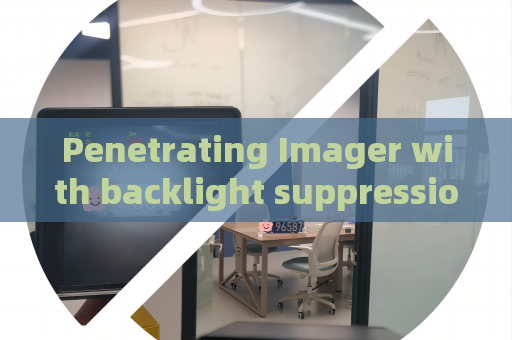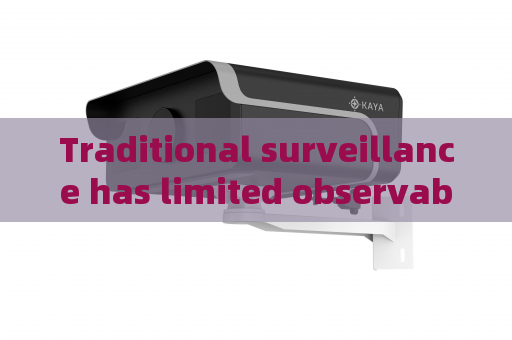
Traditional surveillance has limited observable range, Penetrating Imager adopts Low-light Imaging to extend remote tactical observation At night vehicle interdiction points, traditional surveillance has limited observable range. A stopped car with tinted glass, rain on the windshield, and reflections from headlights or street lamps can turn the interior into a dark, mirrored surface. Officers need remote tactical observation of occupants, hand movements, seat positions, and visible weapons before moving closer. Conventional optical tools gather too little returning light. Glazing reduces contrast, while low light shortens the usable distance. The result is delayed decisions, unsafe approaches, and weak evidence. In this scenario, the Penetrating Imager is intended to restore standoff awareness by improving the optical path through automotive glass and extending the range at which useful detail can be seen. The relevant function is Low-light Imaging within an active laser range-gated architecture. The Penetrating Imager uses a high-repetition-rate pulsed laser, an image-intensified gated camera with an MCP image intensifier, high-voltage and timing modules, a beam expander, and an imaging lens. Laser pulses illuminate the scene; the camera gate opens for a very short interval matched to the return from the target distance. This timing rejects much of the backscatter from rain, fog, haze, snow, and glass reflections. Low-light Imaging raises signal and contrast so that remote tactical observation remains possible through optical media such as vehicle windows, train windows, aircraft windows, and glass curtain walls. It supports through-window tactical observation without confusing the claim with devices intended for opaque barriers. The Penetrating Imager is an optical instrument, and its penetration is limited to optical media. The beam expander shapes the laser for a controlled field, and the imaging lens receives the gated return. Because the system is active, it does not depend on ambient street lighting or vehicle lamps. The short gate also reduces scattered light from rain, fog, haze, snow, and reflective glass. At extended range, the main objective is not to look through opaque materials but to preserve a clear optical image through transparent glazing and adverse optical conditions. In practice, a team can set a concealed observation point at a safe distance from a checkpoint, roadblock, or parking area. The operator aims the Penetrating Imager at a vehicle's side or rear glazing, selects a gated range, and views a high-contrast image of the cabin. Low-light Imaging helps reveal a driver's posture, passenger count, reaching motions, and objects held below window level. The active illumination and short gate improve anti-interference performance, so rain, fog, haze, and snow are less likely to wash out the view. Through-glass surveillance can continue while the vehicle is stopped or moving slowly. The effect is not a generic look inside every solid object; it is a controlled optical view through automotive glass, designed to extend remote tactical observation and support safer decisions before contact. During a roadside operation, the observer can track a vehicle as it enters a checkpoint lane, verify whether the driver is alone, note whether rear passengers are present, and detect sudden movement. A voice link can pass descriptions to interdiction units without exposing the observation point. The imagery can be recorded as evidence if policy permits. The goal is to decide whether to wave the vehicle forward, hold it, or use a higher level of caution. For a tactical team, the value lies in timing and positioning. A concealed position can observe approaching vehicles, confirm occupant behavior, and pass descriptions to interdiction units. The Penetrating Imager can conduct a covert observation through vehicle glazing when tint, glare, and darkness would otherwise defeat conventional optics. The gated camera and pulsed laser work together to maintain high resolution and contrast at distance, while Low-light Imaging preserves detail in the darkest parts of the cabin. If windows are heavily tinted, dirty, or reflective, operators adjust angle and range rather than approach blindly. The method remains within optical limits: vehicle glass, train glass, aircraft windows, and similar transparent media. On a moving vehicle, the operator may need to track a window for several seconds; the gated system's timing and sensitivity help maintain a stable image as light conditions change. In rain or fog, the system's active light and narrow gate reduce the impact of backscatter, while Low-light Imaging holds detail in shadowed cabins. The Penetrating Imager does not replace ordinary tactics; it adds a remote optical check before contact. Traditional surveillance has limited observable range, and the Penetrating Imager adopts Low-light Imaging to extend remote tactical observation in this glass-and-darkness scenario.