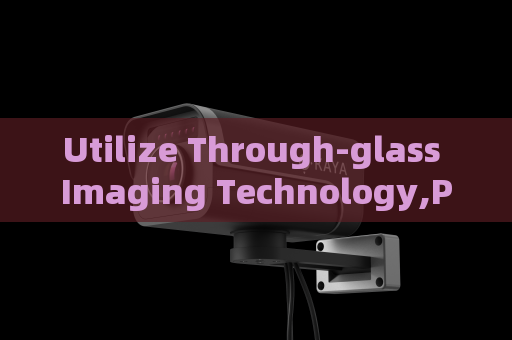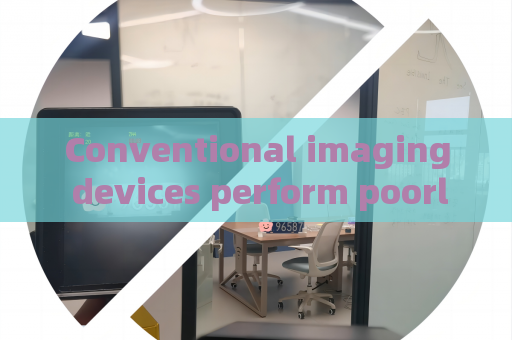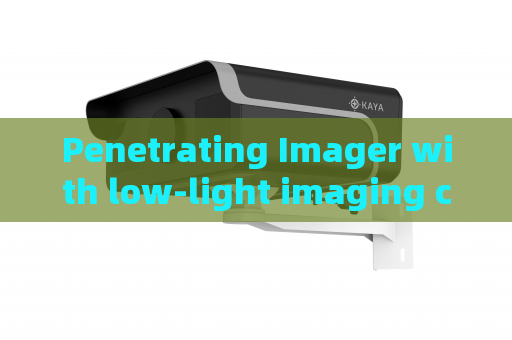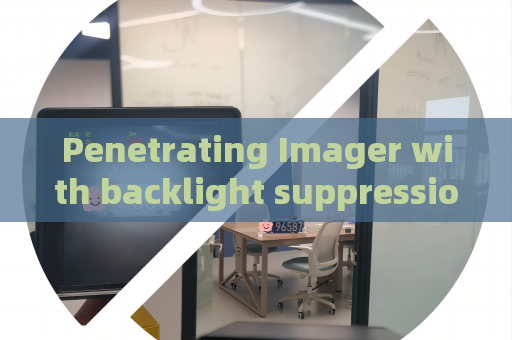
Penetrating Imager with backlight suppression capability for highway checkpoint surveillance to identify obscured vehicles and hidden suspects At highway checkpoints, the most persistent visual obstacle is not distance but light. Low-angle sun, oncoming headlights, brake lights, wet asphalt reflections, and mirrored glass can turn a vehicle cabin into a dark or glaring void. Tinted side windows and windshields with strong surface reflections further obscure seat positions, passenger count, hand movements, and facial cues. Checkpoint personnel must make rapid decisions while traffic queues, and opening every door or directing every driver to a secondary inspection area creates delay, exposure, and risk. A suspect concealed behind tinted glazing or shielded by glare may pass as an ordinary vehicle. The required tool is a Penetrating Imager with backlight suppression capability for highway checkpoint surveillance to identify obscured vehicles and hidden suspects. It targets this specific optical problem: seeing useful detail through vehicle glass when ambient light and reflective surfaces overwhelm conventional cameras. The relevant capability is laser range-gated imaging, also called gated imaging. The instrument is an active optical system. A high-repetition-rate pulsed laser emits short light pulses; an image-intensified gated camera, containing an MCP image intensifier, high-voltage module, and timing module, opens its shutter only for a narrow time window. The beam expander and imaging lens shape and collect the returned light. Because the gate is synchronized to the distance of the vehicle glazing and cabin, light returning from the sun, headlights, reflective glass surfaces, and atmospheric backscatter outside that window is largely rejected. This is Strong Light Suppression Imaging in practice. The result is high-contrast imaging with strong backlight suppression, long operating range, high resolution, and resistance to interference. The system works only through optical media such as vehicle glass; it does not penetrate metal body panels or other opaque solids. It can also image clearly through fog, haze, rain, or snow within optical limits, but the checkpoint task remains through-glass surveillance. At a checkpoint lane, the penetrating imager can be mounted on a fixed gantry, portable mast, or mobile trailer aligned with the vehicle path. As a car approaches at low speed or pauses briefly, the operator aims the unit at the windshield and side windows. The pulsed laser passes through the glazing, and the gated camera receives returning light from occupants and interior surfaces behind the glass. Backlight from the sky, headlamps, or wet pavement is suppressed by the timing gate, so the display shows clearer contours of passengers, seating positions, and visible objects. Tinted windows, mirror-like reflections, and glare from low sun become less decisive. The process is non-contact and does not require the window to be rolled down, reducing direct exposure for checkpoint personnel and limiting traffic disruption. It supports through-glass surveillance of obscured vehicles and hidden suspects who are positioned behind automotive glazing, while respecting the physical limit that opaque solids block the optical path. A suspect behind a closed window can be assessed for posture, number, and visible items without a physical search. Operational use depends on calibration and lane discipline. The gated delay is adjusted to the distance of the target glass and cabin, and laser output is set for safe, effective illumination across different glass types and weather. Fixed installations can cover one or more lanes; mobile units can be repositioned for peak periods or temporary checkpoints. Images are reviewed in real time on a monitor, allowing a quick tactical visual check through tinted windows before a vehicle is directed to secondary inspection. The penetrating imager does not replace physical searches or lawful procedures, and it cannot reveal objects behind metal, dense cargo, or other non-optical barriers. Its value is narrow and precise: reducing the ambiguity created by backlight, reflection, tint, and glare at highway checkpoints. When integrated into checkpoint surveillance, it helps identify obscured vehicles and hidden suspects through vehicle glass with greater confidence and speed.