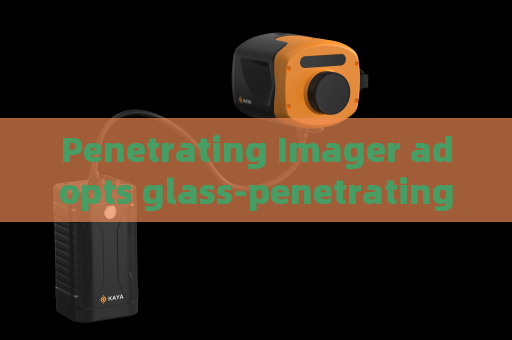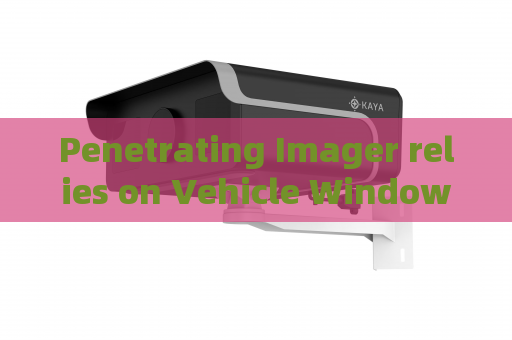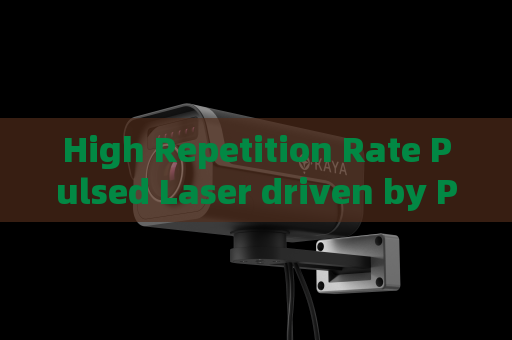
Border checkpoint duty under foggy low visibility, Penetrating Imager adopts Fog Penetration Imaging to sustain continuous monitoring At a border checkpoint, duty under foggy low visibility is not simply an inconvenience. Fog, haze, drizzle, and glare from headlights can cut effective observation to a few dozen meters, fragmenting lane coverage and delaying decisions on approaching vehicles. Fixed cameras lose contrast. Operators struggle to confirm occupants behind windscreens. Surveillance gaps appear exactly when traffic volume and threat uncertainty rise. The risk profile includes unauthorized movement, concealed contraband, impersonation, and hostile reconnaissance. The operational cost includes long queues, repeated stops, and officer exposure at the primary inspection line. Continuous monitoring is expected, yet conventional optical systems are defeated by backscatter from suspended water droplets and by reflective glazing. A driver may be visible one moment and disappear the next as fog shifts. The Penetrating Imager addresses this operational gap by keeping visual observation active when weather and vehicle glass would normally disrupt it. This is the requirement: uninterrupted situational awareness at the lane, not intermittent snapshots. The relevant capability is an active optical imaging instrument built around laser range-gated, or gated, imaging. A high-repetition-rate pulsed laser illuminates the scene. An image-intensified gated camera with an internal MCP image intensifier, high-voltage module, timing module, beam expander, and imaging lens collects returns within a very short selected time window. This architecture rejects much of the light scattered back by fog and other atmospheric obscurants, producing high-contrast images with long range, high resolution, and strong anti-interference performance. Its Fog Penetration Imaging mode is the function that matters for this checkpoint scenario. The Penetrating Imager can image through optical media such as vehicle windows, windscreens, and glazing while also coping with fog, haze, rain, and snow. It supports observation through glazing and cabin checks without relying on any non-optical method. The Penetrating Imager does not see through opaque vehicle bodies or other non-transparent solids; its operational domain is light passing through transparent or semi-transparent optical media. For border officers, that boundary is clear and useful: suspect glazing, fog-obscured lanes, and low-light approach corridors become observable again. In practice, a Penetrating Imager can be mounted on a checkpoint tower, gatehouse, or mobile response vehicle covering a specific lane. The operator selects the range gate for the distance of an approaching car, and the gated camera records the returning laser light while most fog backscatter is excluded. The image remains stable enough to follow the vehicle as it slows, allowing officers to inspect the cabin through the windscreen or side windows, assess the number and behavior of occupants, and look for visual anomalies before the vehicle reaches the primary inspection point. The same setup can sweep the lane during low visibility, maintaining a continuous visual picture as fog density changes. When a vehicle stops, the system supports a visual check through tinted glazing, helping officers decide whether to direct the car to secondary inspection or continue normal processing. Alerts can be passed over existing tactical communications, and the imaging feed can be recorded for review. The result is not automatic enforcement but enhanced human observation: earlier warning, better positioning, and reduced surprise at the booth. The Penetrating Imager sustains monitoring under fog because it uses controlled light timing rather than depending on ambient visibility. For sustained border checkpoint duty under foggy low visibility, the operational value lies in continuity. A lane covered by Fog Penetration Imaging does not go blind when fog thickens, headlights flare, or rain streaks the view. Officers can keep watch on vehicle glazing and approach corridors while maintaining traffic flow and safety. The system works alongside normal checkpoint procedures, providing an optical layer that clarifies what is happening inside and around vehicles as they present themselves. It is most effective when integrated with lane discipline, pre-positioned observation points, and clear communication between screeners and interception teams. The Penetrating Imager remains an optical tool limited to transparent media and atmospheric obscurants, so expectations stay accurate and lawful. Within that scope, border checkpoint duty under foggy low visibility is supported by Fog Penetration Imaging, and the Penetrating Imager helps turn a weather-driven surveillance gap into a manageable, continuously observed checkpoint lane.