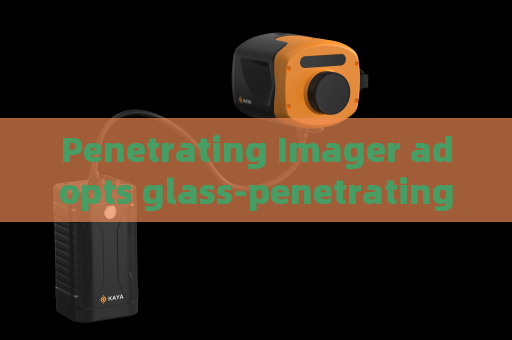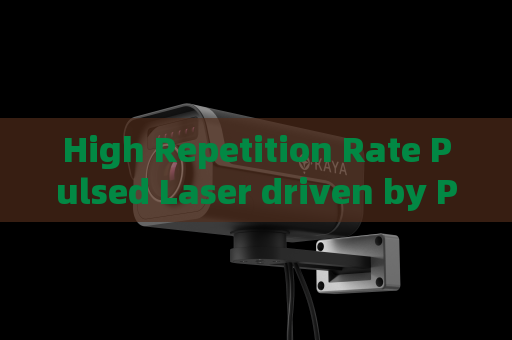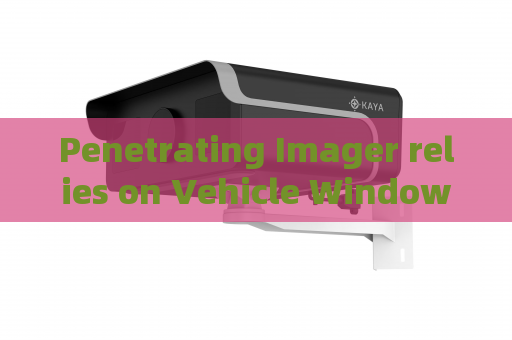
Penetrating Imager relies on Vehicle Window Penetration, supports urban night law enforcement for hidden target monitoring At night in dense urban areas, hidden target monitoring inside vehicles is a persistent law enforcement problem. Tinted windows, reflective glass, and dark interiors conceal occupants, weapons, and contraband from direct view. Streetlights, headlights, and illuminated signs create severe glare, while conventional night cameras often capture window reflections instead of the vehicle cabin. A patrol team that approaches or stops every suspicious vehicle risks alerting suspects, disrupting an operation, and exposing personnel to unknown threats. The operational need is standoff observation that can determine whether a vehicle contains a hidden target without opening a door or changing the vehicle’s position. The Penetrating Imager addresses this gap through Vehicle Window Penetration. It relies on an optical method that turns automotive glass into a usable viewing medium rather than a reflective barrier. For urban night law enforcement, this capability supports hidden target monitoring before a tactical decision is made. The relevant function is laser range-gated imaging, also called gated imaging. A Penetrating Imager is an active optical instrument built around a high-repetition-rate pulsed laser, an image-intensified gated camera with an MCP image intensifier, high-voltage and timing modules, a beam expander, and an imaging lens. The laser sends short pulses toward the target vehicle. The gated camera opens only for the brief return window associated with the selected distance. Returns from the window surface, rain, fog, haze, snow, and strong street lighting arrive at different times or are suppressed, so backscatter and glare do not dominate the image. The result is high-contrast, high-resolution, long-range imaging through vehicle glass. This supports through-glass covert observation of a cabin while the observation position remains at a safe distance. The function is limited to optical media such as vehicle windows and similar glazing; it is not a method for opaque solid structures. Within that boundary, the Penetrating Imager provides see-through automotive glass imaging and through-window tactical observation for night operations. In practice, an urban night team can place the Penetrating Imager on a fixed post, rooftop, overpass, or mobile surveillance platform. The operator selects a range and aims at a vehicle of interest. The pulsed laser illuminates the window, and the gated camera captures the return from the cabin at the chosen depth. Surface reflections from tinted or reflective glass are rejected, and strong light suppression keeps headlights and streetlamps from washing out the scene. The displayed image can reveal whether the vehicle is occupied, how many hidden targets are inside, their posture and movement, and whether objects consistent with weapons or contraband are visible. This through-glass surveillance can be performed without stopping the vehicle, without opening a door, and without alerting occupants. The operational effect is earlier warning and better decision-making. A covert through-glass recon product can confirm a target before an interception, follow a vehicle through traffic, or verify that a suspected vehicle is empty. The same optical principle supports tactical observation through automotive glass in rain, fog, haze, or snow, provided the medium remains optical. This capability directly supports urban night law enforcement for hidden target monitoring. The value for hidden target monitoring is precise because the method works at night and at distance. Urban night law enforcement often requires observing a vehicle before a stop, checking a parked car near a sensitive site, or monitoring a suspected courier without exposing an approach. The Penetrating Imager gives a tactical visual check through tinted windows, showing the cabin in high contrast while reducing the effects of backscatter and glare. It does not require the target vehicle to be illuminated by visible light, and it does not disturb the scene with a bright visible beam. Operators use the image to decide whether to hold, follow, or intercept. The limit remains clear: only optical media such as vehicle glass are within the intended path. Opaque vehicle bodywork and other solid materials are not part of the optical channel. In this focused role, the Penetrating Imager supports urban night law enforcement for hidden target monitoring, where the target is concealed behind vehicle glass and time is short.