Tactical teams conducting vehicle stops at night face a persistent visibility problem. A vehicle’s windows may be tinted, wet, dusty, or reflecting streetlights, headlights, and emergency beacons. From a safe standoff, the interior can appear as a dark mirror. Occupants’ hands, seat positions, and possible threats remain hidden. Rain, fog, and haze worsen surface scatter. Strong light from oncoming traffic or scene floodlights creates glare that overwhelms conventional optics. Opening a door or breaking glass to gain visibility changes the tactical situation and increases risk. The need is not general observation but reliable image formation through vehicle glazing before contact. A face behind glass may be visible only as a vague silhouette. A camera using continuous illumination can add more glare rather than detail. The tactical problem is both optical and procedural: the team must identify risk while remaining unseen and outside the immediate threat radius. A Penetrating Imager supported by Image Intensifier Camera for tactical scene detection is designed for this exact pressure point: detecting what is inside a vehicle through glass while maintaining distance, cover, and surprise.
The relevant capability is active range-gated imaging through optical media. The Penetrating Imager uses a high-repetition pulsed laser, an image intensifier camera with an internal microchannel plate, high-voltage module, timing module, beam expander, and imaging lens. Short laser pulses travel toward the vehicle. The camera gate opens only for a very brief interval matched to the return from the interior. The gate delay is the variable that selects the depth plane. Returns from the glass surface arrive earlier; returns from the cabin arrive later. Light scattered by the outer glass surface, rain, fog, or dust arrives outside the gate and is largely rejected. Light that passes through the glazing and returns from seats, occupants, or objects inside is amplified by the image intensifier. This produces a high-contrast image with reduced backscatter. The function supports through-window tactical observation at distance, including dark conditions and tinted automotive glass. It is not a contact search and does not depend on opening the vehicle. The imaging chain remains optical: pulsed light, gated collection, and intensified detection.
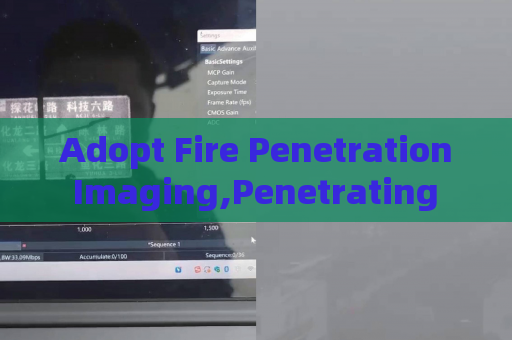
In operation, an officer or operator positions the device behind cover and aligns it with the target vehicle. The timing module is adjusted for the range to the glazing and the interior plane. The pulsed laser illuminates the scene, and the image intensifier camera collects the selected return. The image intensifier camera provides the sensitivity needed when the return is weak after passing through tinted glass. The operator does not need to illuminate the interior with a visible beam that would announce the position. The resulting view can show whether occupants are present, where hands are placed, and whether movement suggests a threat. Strong light suppression helps when headlights, searchlights, or reflections would otherwise wash out the image. Rain, fog, haze, and snow can degrade ordinary viewing, but range gating reduces their forward scatter. The operator can record still images or video for later review and briefing. The vehicle remains undisturbed. The team gains a tactical visual check before approaching, issuing commands, or deploying other resources. The method is especially useful at checkpoints, high-risk stops, and cordon positions where a vehicle is stopped but not yet controlled.
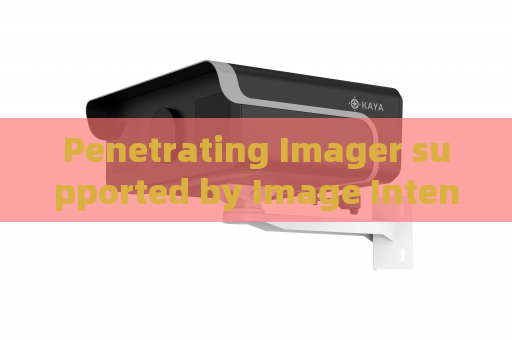
Practical use still requires disciplined interpretation. The technology works through optical media such as vehicle windows, not through opaque solid structures. Performance varies with glass tint, angle, distance, surface contamination, and interior illumination. When tint is heavy, the system may need closer range or longer integration, but the operational principle remains the same. A clear image through glazing can confirm occupancy or hand position, but it does not replace established tactical procedures. Operators need range calibration, gate timing practice, and familiarity with glare conditions. In a coordinated response, one unit can monitor the vehicle while another moves into position. The Penetrating Imager supported by Image Intensifier Camera for tactical scene detection extends visual access through automotive glass, giving tactical teams earlier warning and better decision space while preserving standoff. The value lies in seeing through the window before the window becomes a doorway.