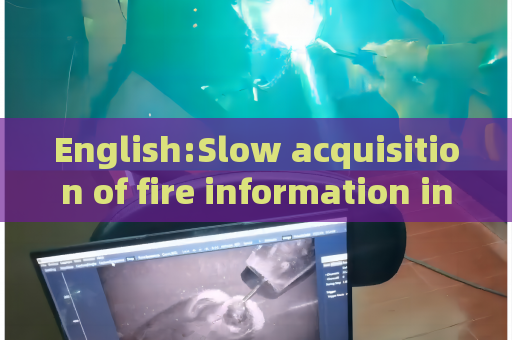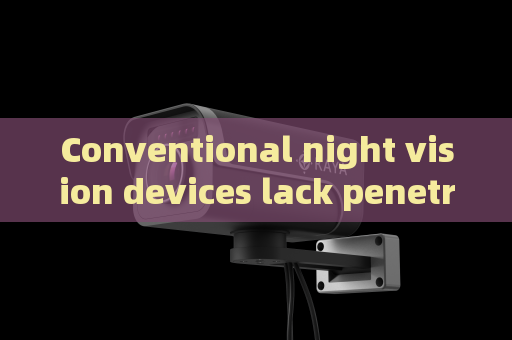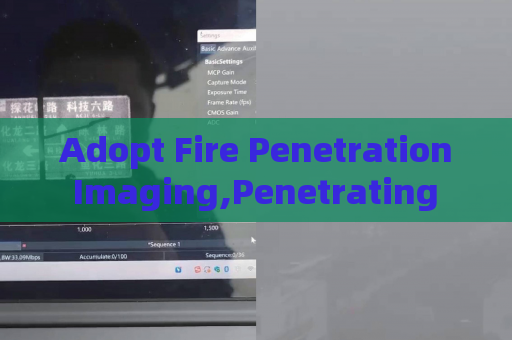
Adopt Fire Penetration Imaging, Penetrating Imager serves building exterior fire observation to collect fire situation information Building exterior fire observation often begins when entry is impossible or unsafe. From a street cordon, an opposite rooftop, or an aerial platform, incident command needs reliable fire situation information about what is happening behind glass facades and exterior windows. Ordinary optical tools face a difficult scene. Flames produce intense glare that saturates sensors. Glass surfaces reflect emergency lights, daylight, and nearby fire, masking interior detail. Coated or tinted curtain-wall glazing can turn the facade into a mirror, making a real flame behind the glass look like a shifting reflection. Night operations reduce contrast. Rain, snow, fog, and haze scatter light and soften the facade. Dense smoke remains a separate and severe limit. A Penetrating Imager addresses this exterior observation problem by providing an optical view through glazing while reducing common light interference. The goal is not arbitrary penetration but a clear, high-contrast optical path where glass or another optical medium forms the line of sight. Fire Penetration Imaging gives exterior observers a practical way to collect fire situation information without placing personnel inside the hazard zone. The result is faster situational awareness at a safer standoff distance. The relevant function is active laser range-gated imaging, also called gated imaging. A Penetrating Imager consists of a high-repetition-rate pulsed laser, an image-intensified gated camera with an MCP image intensifier, high-voltage module, timing module, beam expander, and imaging lens. The pulsed laser illuminates the selected exterior zone, while the beam expander shapes the light into a usable field. The gated camera opens only during the brief return window from the chosen range. The MCP image intensifier raises weak optical returns, and the timing module keeps illumination and collection synchronized. This active method produces high contrast, long operating distance, high resolution, strong anti-interference, and effective rejection of backscatter. In exterior fire observation, Fire Penetration Imaging allows the imager to look through glass curtain walls and building windows while overcoming interference from fire glare, rain, snow, fog, and haze. Fire scene visibility can improve by three to five times. The limit is clear: dense smoke blocks the optical path, and opaque solid media cannot be penetrated. The capability remains an optical imaging function. Operational use follows a simple exterior workflow. The Penetrating Imager is mounted on a tripod, command vehicle, or aerial platform at a safe standoff distance. The optical axis is aligned with exterior glazing, and the range gate is set to the facade or the selected interior plane behind the glass. Gate timing can be adjusted as the observation target changes from one window to another or from one floor to the next. The operator scans windows and curtain-wall sections, observing flame location, window failure, and fire spread visible through the glazing. Because the gate rejects much of the light scattered by flames, water droplets, and airborne particles, the display keeps useful contrast for building exterior fire observation. Multiple exterior positions can be compared to collect fire situation information from different angles. Stills or video can be passed to incident command for a shared exterior picture. The imager does not require entry into the building, and it does not expose crews to collapse, flashover, or smoke at close range. Dense smoke inside a compartment still prevents a clear view, so the information gathered remains tied to available optical paths through glass. In a sustained incident, a Penetrating Imager can be kept on the exterior cordon for repeated checks of the same facade. Changes in flame presence behind glass, window breakage, and the upward or lateral movement of fire along glazed sections become easier to compare from a stable viewpoint. The imaging process is non-contact; only pulsed light and gated collection are used. Coordination with ground crews, aerial crews, and incident command helps direct the optical attention to priority floors and sides of the building. If glazing is intact, the imager can provide a cleaner view than unaided observation or standard cameras. If dense smoke fills the space behind the glass, performance drops, and alternative interior reporting becomes necessary. Exterior observation also needs discipline: the imager reads conditions only where an optical path passes through glass or another optical medium, and it does not replace size-up from other verified reports. Adopt Fire Penetration Imaging, Penetrating Imager serves building exterior fire observation to collect fire situation information within these optical boundaries, supporting safer and better-informed decisions at the exterior scene.