Covert detection of illegal vessel activities—such as smuggling, human trafficking, or unauthorized fishing—poses a persistent challenge for maritime law enforcement. Traditional optical surveillance systems, including binoculars and daytime cameras, struggle under adverse conditions like heavy fog, rain, snow, or darkness. Even in clear weather, the tinted or reflective windows common on modern boats obscure interior views, leaving officers unable to confirm suspicious behavior without boarding. Night-vision devices offer limited help, but they are easily overwhelmed by glare from cabin lights or reflections off water. The core pain point is the inability to obtain clear, high-contrast imagery through glass barriers from a safe, concealed distance. A Penetrating Imager that can overcome these environmental and structural obstacles is urgently needed to resolve this covert detection gap.
The Penetrating Imager specifically addresses this pain point through its laser range-gated imaging technology. Unlike passive optical systems, this active imaging device emits a high-repetition-rate pulsed laser and synchronizes it with an image intensifier and gated camera. By precisely timing the laser pulse and the camera’s shutter opening, the system gates out backscatter from fog, rain, or dust, and isolates only the light reflected from the target. This enables the Penetrating Imager to see through windows—including automotive glass, ship portholes, and even reinforced cabin glazing—with minimal degradation. The built-in MCP image intensifier and high-voltage module produce high-resolution, high-contrast images even in low-light or glare-heavy environments. The result is a clear view of occupants, cargo, or illicit activities inside a vessel, all while maintaining covert standoff.
In practical enforcement, a Penetrating Imager is deployed from a covert observation post—such as a shore-based hide site, an unmarked patrol boat, or even a hovering drone. The operator adjusts the zoom lens and the range-gate delay to match the distance to the suspect vessel. Once the laser is activated, the system automatically compensates for atmospheric interference. Images appear on the monitor in real time, revealing details like faces, hand gestures, or hidden compartments behind tinted glass. Because the Penetrating Imager uses only light and does not emit radio waves or radiation, it leaves no electronic signature that might alert the illegal crew. This allows sustained, long-duration surveillance without compromising the mission.
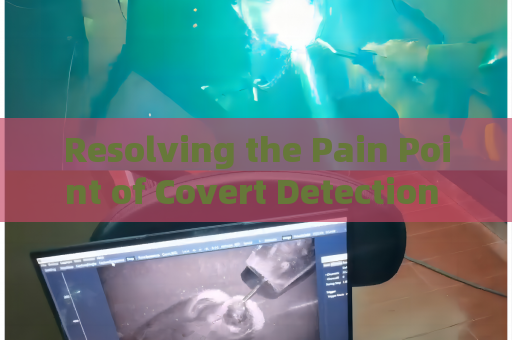
Further refining the covert detection scenario, the Penetrating Imager excels in dynamic maritime environments where wave motion and vessel drift complicate targeting. The system’s high frame rate and fast gating capability lock onto moving subjects, maintaining clarity even when the target boat rocks or accelerates. During operations against illegal fishing vessels at night, the Penetrating Imager can penetrate the heavy condensation and salt spray that often coat cabin windows, providing actionable intelligence without requiring a risky approach. By integrating with a pan-tilt mount and automated tracking software, the entire reconnaissance process remains hands-free and invisible to the target. The Penetrating Imager thus transforms a previously unsolvable pain point—covert detection through optical barriers in poor visibility—into a reliable, repeatable capability for maritime security forces.




