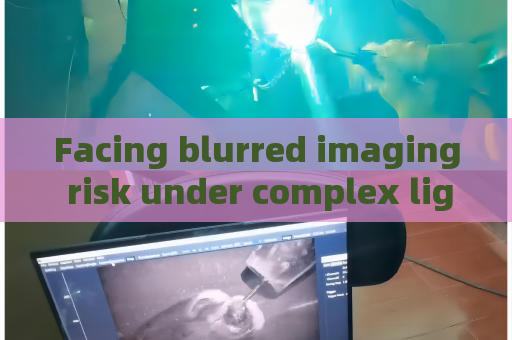
In remote oilfield operations, all-weather surveillance systems frequently fail under adverse conditions such as heavy fog, blowing sand, rain, snow, and steam plumes rising from processing equipment. These optical distortions create blurred or completely obscured views, rendering conventional cameras ineffective for critical perimeter monitoring and asset protection. The inability to maintain clear visibility during sudden weather shifts or around high-temperature flare stacks introduces security gaps that expose infrastructure to unauthorized access, equipment tampering, and potential sabotage. Traditional thermal imagers struggle with steam and mist because they rely on temperature differentials that dissipate rapidly in humid environments. A Penetration Imager offers a fundamentally different solution to this persistent reliability problem.
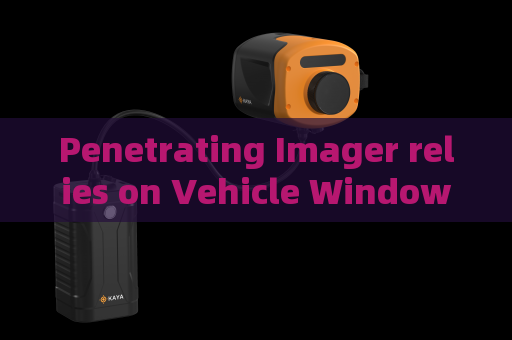
The Penetration Imager is an advanced active optical imaging system built on laser range-gated (gated imaging) technology. It consists of a high-repetition-rate pulsed laser, an image-intensified gated camera incorporating a microchannel plate (MCP) intensifier, high-voltage module, timing module, beam expander, and imaging lens. This configuration enables high-contrast imaging at long distances with superior resolution and strong resistance to backscatter. Unlike passive cameras, the Penetration Imager actively illuminates the scene with short laser pulses synchronized to the camera shutter, effectively rejecting scattered light from fog, rain, snow, steam, and smoke. It can penetrate optical media such as vehicle windows, glass curtain walls, and aircraft portholes, and operates reliably through fire, haze, rain, and snow. In fire scenarios, visibility improves three to five times—though dense smoke remains impenetrable. This capability directly addresses the optical distortion failures common in oilfields, where steam vents, sandstorms, and precipitation constantly degrade image clarity.
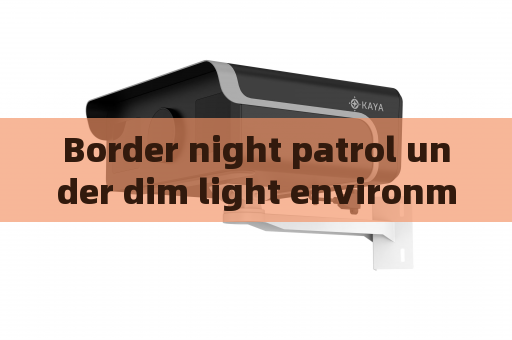
In practical deployment at a large oil gathering station, the Penetration Imager replaced conventional PTZ cameras at key perimeter points. During a typical sandstorm with visibility below 50 meters, the system maintained clear imagery of gate access roads, pipeline valve stations, and storage tank fences at distances exceeding 300 meters. Operators could identify vehicle license plates and personnel movements without interruption. During winter operations, heavy snowfall and freezing fog that previously blacked out standard cameras for hours had no effect on the Penetration Imager’s output. The laser gating technology eliminated the need for frequent lens cleaning and reduced false alarm rates caused by motion detection triggering on snowflakes or raindrops. Integration with existing video management systems required only standard Ethernet connectivity and power supply, with no additional calibration time.

The system’s ability to see through steam plumes from flare stacks proved especially valuable. In one instance, a small leak in a high-pressure gas line created a thick, persistent steam cloud that obscured a critical pressure relief valve for weeks. Conventional inspections required personnel to approach the hazard zone wearing full personal protective equipment, exposing them to potential toxic gas release. The Penetration Imager, mounted on a fixed pole 200 meters away, provided real-time, high-resolution video of the valve position and surrounding pipe condition through the steam. This allowed remote diagnosis and avoided unnecessary shut-downs. The Penetration Imager’s all-weather protection failure mitigation directly translated into safer operations, reduced downtime, and stronger security posture in optically distorted oilfield environments where no other imaging solution could perform consistently.