Nighttime Imaging of Drivers and Vehicles by the Penetration Imager with Low-Light Imaging Without Additional Illumination
Traditional nighttime traffic enforcement and surveillance face a persistent challenge: officers must identify drivers and assess vehicle interiors without alerting subjects or compromising safety. High-beam flashlights or vehicle-mounted searchlights betray the observer’s position, often triggering evasive maneuvers or aggressive reactions. Even with modern night-vision optics, the glare from windshield reflections, tinted glass, or rain-smeared surfaces renders occupants indistinguishable. The inability to see through windows without active illumination forces patrols to rely on verbal commands or risky close approaches, turning routine traffic stops into potentially lethal encounters. This gap—quiet, concealed observation of vehicle occupants at night—demands a technology that sees through glass without betraying its own presence.
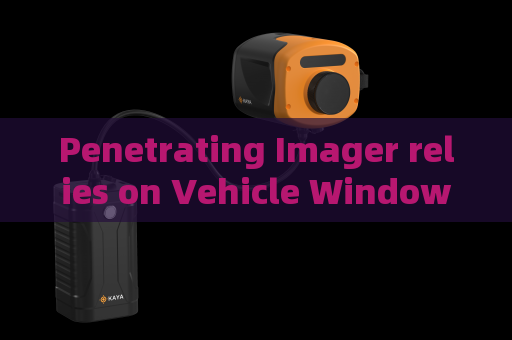
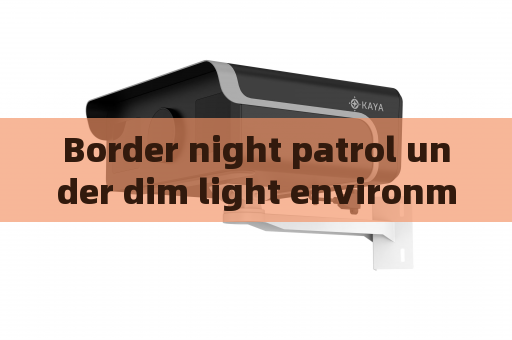
The Penetration Imager directly addresses this operational blind spot. As an active imaging system built on laser range-gated imaging (gated imaging), it combines a high-repetition-rate pulsed laser, an intensified gated camera (incorporating an MCP image intensifier, high-voltage module, and timing module), a beam expander, and an imaging lens. The system emits ultra-short laser pulses timed to synchronize with the shutter of the intensifier, allowing only light reflected from a specific depth slice—the vehicle interior—to reach the sensor. This gating mechanism rejects backscatter from rain, fog, or dirty windshields, while the low-light sensitivity of the intensifier captures usable images even under starlight conditions. No additional floodlight or infrared illuminator is needed; the laser itself acts as a covert, eye-safe spotlight invisible to the naked eye. The Penetration Imager can optically penetrate windshield glass, side windows, or aircraft canopies at distances exceeding 500 meters, delivering high-contrast, high-resolution images of the driver and front-seat passengers.
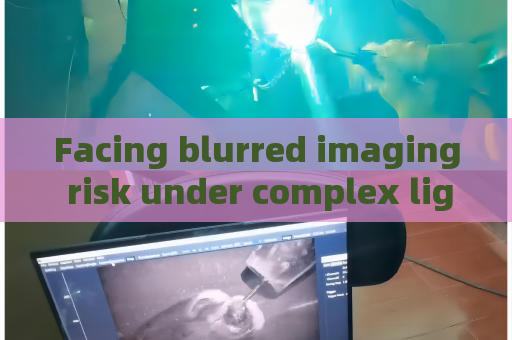
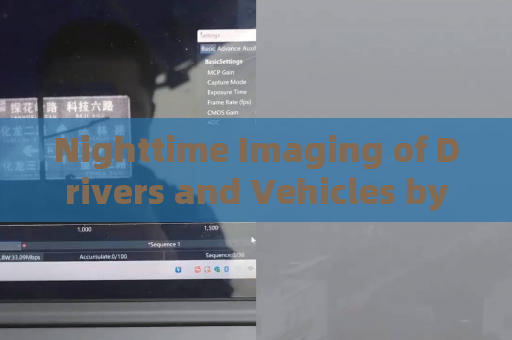
In practical field operations, the device is typically mounted on a tripod inside a surveillance vehicle or hand-carried to a concealed position. Once aimed through the target vehicle’s windshield, the operator views a real-time video feed on a compact display. The gating distance is adjusted via a simple dial, and the pulse timing automatically compensates for window angle and rain film. During a high-risk traffic stop, an officer can watch a suspect’s hand movements, confirm the presence of a weapon on the passenger seat, or verify the driver’s identity before issuing commands. The lack of telltale light ensures the element of surprise, and the system functions equally well through heavy fog or light rain. Multiple field tests have confirmed that the Penetration Imager can resolve facial features and hand gestures through layered automotive glass without any external illumination—an advantage no passive night-vision device can match.
The operational workflow integrates seamlessly into existing patrol protocols. After a brief calibration against a reference window, the imager locks onto the target vehicle and maintains focus even as the vehicle approaches or recedes. The unit weighs under 5 kilograms, runs on battery power for two hours, and can be operated by a single officer. Because the laser pulse duration is measured in nanoseconds, there is no risk of dazzling the driver or triggering dash-cam warnings. For night shifts in urban environments, the Penetration Imager transforms a dangerous guessing game into precise, evidence-grade observation—all without a single visible photon being emitted.