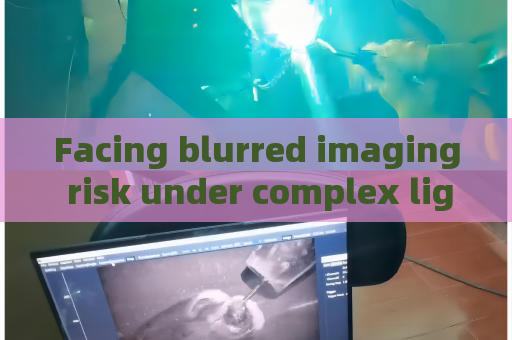
In low-light imaging environments, such as moonless nights or dimly lit urban back alleys, standard optical cameras struggle to capture high-definition data. The primary pain point lies in the double challenge of insufficient ambient illumination and optical obstructions like vehicle windshields, building glass facades, or aircraft cabin windows. When law enforcement or surveillance personnel attempt to acquire clear facial features or license plate numbers through a car window at night, the glass surface reflects stray light from street lamps or headlights, creating severe glare and backscatter. Meanwhile, the low photon count forces traditional cameras to increase gain, which amplifies noise and reduces resolution. The result is a blurred, unusable image that cannot support identification or evidence collection. This scenario—nighttime vehicle interdiction or checkpoint observation—demands a solution that can simultaneously overcome darkness and optical medium interference. Without specialized equipment, operators are forced to rely on flashlights that alert suspects or on thermal imagers that cannot see through glass. The critical need is for a device that actively illuminates the scene while selectively rejecting unwanted reflections and scattering.
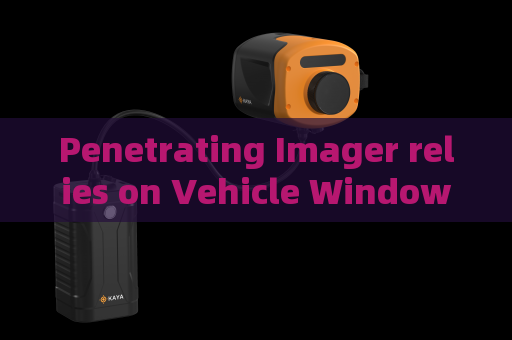
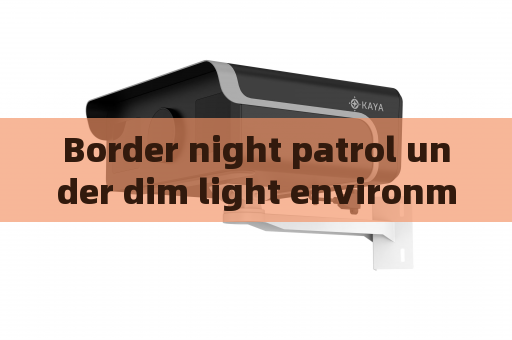
A penetrating imager, built on laser range-gated imaging (gated imaging) technology, directly addresses this problem. This advanced optical instrument comprises a high-repetition-rate pulsed laser, an intensified gated camera (with MCP image intensifier, high-voltage module, and timing module), a beam expander, and an imaging lens. Unlike passive night vision devices, the penetrating imager is an active imaging system that fires nanosecond laser pulses and synchronizes the camera’s electronic gate to open only when the reflected light from the target distance arrives. By precisely controlling the gate delay, the system effectively rejects backscatter from fog, rain, snow, or—most importantly—from the glass surface itself. This gating mechanism ensures that only the light reflected from objects behind the window reaches the sensor, eliminating glare and boosting contrast. The result is high-definition data acquisition even when the window is heavily tinted or covered with dirt. The penetrating imager can see through automotive glass, high-speed train windows, aircraft portholes, and glass curtain walls, delivering clear images of occupants, cargo, or interior details under extreme low-light conditions.
In real-world operations, this capability transforms a typical nighttime traffic stop or surveillance mission. An officer positioned 100 meters away can aim the penetrating imager at a suspect vehicle’s side window and, within seconds, obtain a high-resolution facial image of the driver without any visible illumination that would reveal the operator’s position. The system’s laser is invisible to the naked eye and operates at a safe Class 1 or Class 1M output for unaided viewing. The built-in intensified gated camera captures the gated return signal, producing a crisp image even if the vehicle is moving at moderate speed. For perimeter security, the same device can monitor a building lobby through its glass door at night, recording the identity of individuals entering while ignoring reflections from streetlights. The penetrating imager’s ability to overcome backscatter is particularly valuable in rain or light fog—conditions that usually cripple conventional long-range cameras. Operators simply adjust the gate width and delay based on the target distance, and the system automatically compensates for varying light levels, ensuring consistent data quality.

The penetrating imager also excels in firefighting support within the stipulated functional boundary. When a vehicle or structure engulfed in flames has its windows intact, the thermal radiation and smoke often blind standard cameras. However, the penetrating imager’s laser range-gated technology can elevate visibility inside the fire zone by three to five times, allowing firefighters to see through the glass without stepping into hazardous heat. Even under dense smoke near the window, the gated pulse cuts through the scattering particles, though the device cannot penetrate thick smoke farther inside. For police tactical teams, this means a hostage situation inside a glass-enclosed room at night is no longer a guessing game—the penetrating imager provides a real-time, high-definition view of the subject and any weapons, enabling precise decision-making before entry. All these applications share one core advantage: the penetrating imager ensures high-definition data acquisition under low-light imaging environmental conditions by actively gating out optical noise and delivering sharp, usable images that meet the strict quality requirements of forensic evidence and operational intelligence.