In high-stakes hideout operations, tactical teams face a critical blind spot: the inability to map suspect positions before breaching the perimeter. Standard optical surveillance fails when targets are behind tinted or reflective windows, while thermal imagers cannot distinguish individuals through glass or in obscured conditions like fog or fire. This lack of pre-raid target position mapping forces operators to rely on incomplete intelligence, increasing the risk of delayed engagements, accidental civilian harm, or compromised stealth. A real-world scenario involves a hostage situation inside a fortified room with multiple glass panes—smoke from a nearby fire further reduces visibility. Without a reliable means to see through these optical barriers, teams enter blind, turning a planned assault into a high-risk gamble. The penetration imager becomes essential here, offering a way to resolve this intelligence void by capturing clear images through the very obstacles that defeat conventional optics.
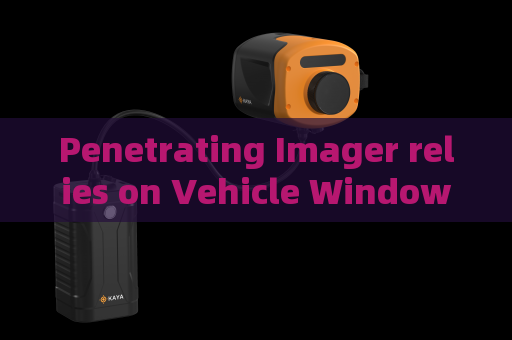
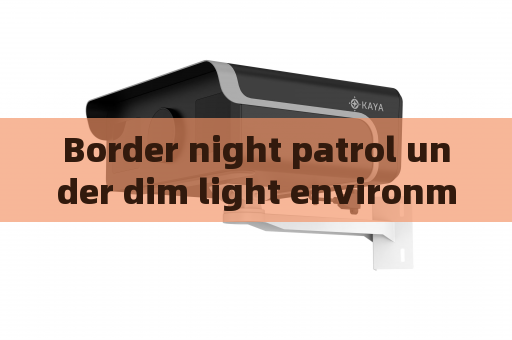
The penetration imager, built on laser range-gated imaging technology, directly addresses this mapping deficit. Composed of a high-repetition-rate pulsed laser, an intensified gated camera (integrating an MCP intensifier, high-voltage module, and timing control), a beam expander, and an imaging lens, it operates as an active optical system. Its key function is its ability to penetrate optical media such as vehicle windows, airplane portholes, and glass curtain walls while overcoming backscatter from atmospheric particles. In a hideout context, the penetration imager can be aimed through a building’s window glass, even if covered by a thin curtain or fogged by environmental moisture. The pulsed laser fires a short burst, and the gated camera opens only when the reflected light from the target returns, rejecting all scattered light from smoke, rain, or haze. This yields high-contrast images with long range and fine resolution, enabling operators to identify the exact number, posture, and relative positions of individuals inside the hideout—without setting foot near the structure.
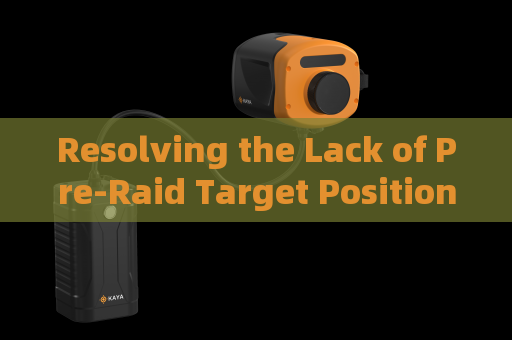
During actual pre-raid reconnaissance, a tactical team deploys the penetration imager from a concealed position several hundred meters away. The device is mounted on a tripod or vehicle platform, and the operator scans each window of the target hideout sequentially. Because the system actively gates out backscatter, even heavy rainfall or a nearby fire—which reduces visibility by only three to five times—does not hinder imaging. Through the glass, the operator sees distinct outlines of subjects, any weapons in hand, and even subtle movements that indicate readiness or distraction. This real-time data is relayed to the assault leader, who updates the breach plan accordingly. For instance, if the imaging reveals two hostages seated near the far wall and one armed subject pacing by the door, entry points and timing can be adjusted to isolate the threat. The penetration imager thus transforms a speculative blind entry into a precisely coordinated strike, drastically improving outcomes in hideout operations where every second counts.