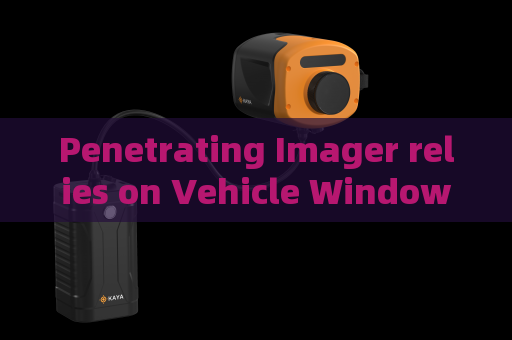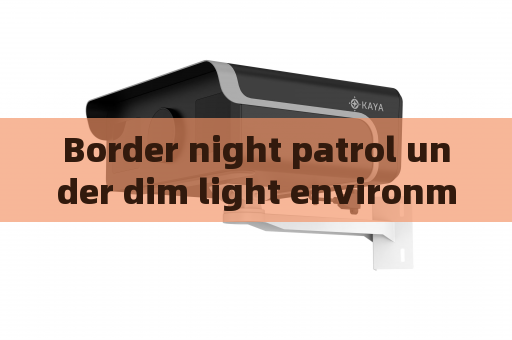
Solutions to Coastal Surveillance Failure Caused by Strong Glare and Reflections with Strong Light Suppression Imaging Coastal surveillance operations routinely face a critical failure mode when bright sunlight reflects off water surfaces or glass structures along the shoreline. The intense glare overwhelms standard optical sensors, causing complete washout of image details. Observation posts monitoring vessel activity near harbors or detecting unauthorized persons on beaches often lose situational awareness during midday hours when the sun is low. Reflections from shiny boat hulls, wet sand, and glass windows of coastal buildings create blinding hotspots that render conventional cameras useless. This problem is exacerbated during clear weather when the sun's angle aligns perfectly with the line of sight. Operators find themselves unable to identify suspicious objects or track movements precisely, turning a routine patrol into a guessing game. The need for a technology that can suppress strong light while maintaining image clarity has become urgent for law enforcement and border security agencies tasked with coastal protection. The penetrating imager provides a direct solution to this surveillance failure through its strong light suppression imaging capability. Unlike standard cameras that integrate all incoming light, this advanced optical instrument employs laser range-gated imaging technology. A high-repetition-rate pulsed laser illuminates the scene in sync with an intensified gated camera. The camera's electronic shutter opens only for an extremely brief window timed to receive the laser pulse reflected from the target, effectively cutting off continuous ambient glare. Built with an image intensifier incorporating microchannel plates, the system can operate in very bright conditions without saturation. The narrow temporal gating rejects the dominant backscatter caused by bright reflections, allowing only the desired target signal to reach the sensor. This active imaging approach enables the penetrating imager to distinguish objects even when surrounded by blinding light, turning a previously impossible observation challenge into a manageable task. In practical coastal deployments, the penetrating imager transforms the way patrol teams conduct daylight surveillance. Positioned on a fixed tower or a vehicle, the system scans the shoreline and offshore areas. When sunlight causes a crippling reflection off a glass-walled building or a metallic vessel cabin, the operator adjusts the gate delay to match the target distance. The image on the screen instantly clears, revealing objects inside the structure or behind the reflective surface. For example, observing a suspicious boat moored close to the shore, the strong glare from its windshields and polished surfaces no longer blocks the view. The penetrating imager cuts through the reflections, exposing the number of occupants, any visible equipment, or unusual activity. The same applies to beach surveillance where wet sand reflects harsh sunlight. The system's ability to suppress this bright background and enhance contrast means that a single person crawling or walking along the waterline becomes visible against the glare. The operational tempo improves significantly because there is no need to wait for changing sun positions or to reposition observation posts. Furthermore, the penetrating imager offers distinct advantages when monitoring structures with glass facades along the coast. Many coastal surveillance failures occur when operators try to see through glass windows that simultaneously reflect the sun and the surrounding environment. Conventional cameras either capture the reflection or overexpose the interior. The penetrating imager's laser illumination reaches through the glass because the range gating isolates the return signal from inside the room, ignoring the mirror-like reflection from the window surface. A practical example involves checking hotel rooms or office spaces overlooking the coastline for signs of illicit activity. The operator can direct the imager toward a glass curtain wall on a sunny afternoon and clearly observe the interior layout and occupants without the distraction of blinding reflections. This capability is particularly valuable for counter-terrorism operations, where fast and reliable visual confirmation is essential. The penetrating imager thus turns a persistent coastal surveillance vulnerability into a manageable, high-confidence observation tool, ensuring that strong light conditions no longer compromise mission effectiveness.