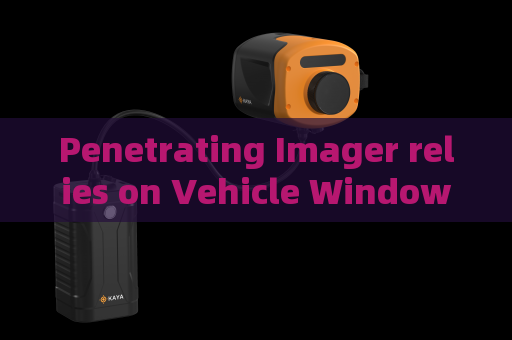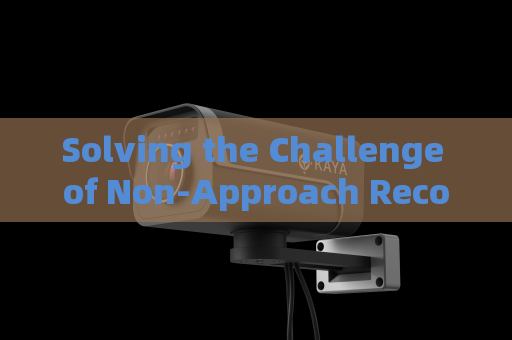
Solving the Challenge of Non-Approach Reconnaissance for Tinted Vehicles with Hidden Occupants with Through-Window Imaging Law enforcement and tactical teams routinely encounter vehicles with heavily tinted windows during surveillance, traffic stops, or counter-terrorism operations. The occupants remain completely hidden behind dark glass, making it impossible to verify whether they are armed, injured, or holding hostages from a safe distance. Approaching the vehicle for a direct view risks alerting suspects, triggering a violent response, or compromising an operation. Traditional optical devices like binoculars or cameras fail because the tinted film absorbs visible light, while thermal imagers cannot see through glass due to its reflective and transmissive properties. This gap forces officers into a dangerous dilemma: either close the distance and lose the element of surprise, or remain blind and act on incomplete intelligence. The need for a non-contact, standoff reconnaissance solution that can see through automotive glass is a critical operational pain point. The through-window imager directly addresses this challenge using laser range-gated imaging technology. The system comprises a high-repetition-rate pulsed laser, an intensified gated camera with an MCP image intensifier, a beam expander, and an imaging lens. As an active imaging device, it emits short laser pulses toward the target vehicle and opens the camera’s shutter only when the reflected light returns from the interior—effectively rejecting backscatter generated by the glass surface itself. This gating mechanism produces high-contrast images of objects behind tinted windows, even under bright sunlight, rain, fog, or snow. The imager operates exclusively with optical media such as glass; it cannot penetrate walls, metal, or any non-transparent solid barrier. Its ability to suppress glare and maintain resolution at distances exceeding several hundred meters makes it a precision tool for non-approach reconnaissance. In a real-world operation, a single officer deploys the through-window imager from a concealed position several hundred meters away. The device is aimed through a rifle scope-like sight or mounted on a tripod for steady observation. Within seconds, live images reveal the number of occupants, their positions, hand movements, and any visible objects such as weapons or communication devices. During a high-risk traffic stop, this intelligence allows the team to determine whether a driver is reaching for a firearm before any verbal contact is made. The imager also works through aircraft windows and building glass, making it useful for airport security or hostage negotiation scenarios. Because the system uses pulsed laser light rather than continuous illumination, it remains covert—no visible beam or flash alerts the subjects inside the vehicle. The through-window imager further refines its performance by dealing with reflections from external light sources. Headlights, streetlamps, or direct sunlight often create blinding glare on tinted glass, but the range-gated timing eliminates these artifacts by only capturing light from the interior depth plane. At night, the pulsed laser provides its own illumination, producing clear images without requiring ambient light. The digital output can be transmitted to a command post or recorded for later analysis. This tool reduces officer exposure to danger by maintaining physical separation while delivering actionable visual evidence. By solving the fundamental problem of seeing hidden occupants through tinted vehicle windows from a safe distance, the through-window imager transforms non-approach reconnaissance into a reliable, repeatable capability for modern law enforcement.