In high-risk law enforcement and counter-terrorism operations, officers often face the critical challenge of assessing threats inside vehicles without approaching them. A suspicious car might contain an armed suspect, an explosive device, or a hostage situation. Approaching too closely exposes the operator to ambush or detonation risks. Traditional inspection methods—peering through windows at close range or using mirrors on sticks—fail to provide a safe standoff distance. Even advanced optics like binoculars suffer from glare, tinted glass, and reflections, compromising visibility. The core pain point is clear: how to obtain a clear, real-time image of the interior of a vehicle from a secure distance, without sacrificing safety or operational tempo.
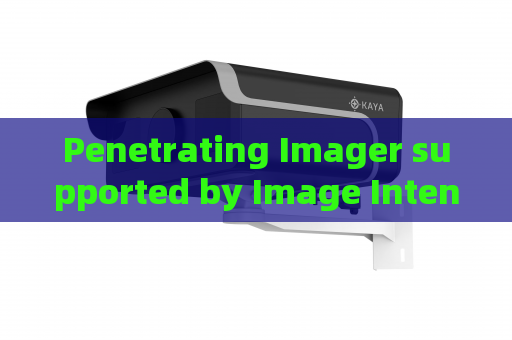
The penetration imager directly addresses this problem through its unique laser range-gated imaging technology. Unlike passive optical devices, this active imaging system emits a high-repetition-rate pulsed laser that is precisely synchronized with an intensified gated camera. By controlling the timing of the laser pulse and the camera shutter, the imager selectively captures light reflected from a specific distance—for instance, the interior of a car 20 meters away—while rejecting scattered light from fog, rain, or the windshield itself. The system’s ability to “see through” optical media such as laminated automotive glass, airplane windows, and glass curtain walls is its defining feature. The high-contrast imagery produced penetrates glare, tint, and dirt on the glass, revealing occupants, objects, or weapons with remarkable clarity. Since the operator remains at a safe distance—often 30 to 100 meters—the method inherently minimizes exposure to sudden threats.
In practice, the operation of the penetration imager is straightforward and tactically sound. An officer deploys the device from a concealed position—behind a barrier or inside an armored vehicle—and aims it at the target car. The imager’s built-in laser and gated camera work together to deliver a live video feed to a handheld display or head-mounted monocular. The operator can adjust the gate delay and pulse width to focus on the target depth, compensating for varying distances and glass thickness. For example, during a vehicle interdiction, the imager can reveal whether the driver’s hands are visible or if a passenger is concealing a firearm. All of this happens without any physical approach or auditory cues that might alert the suspect. The method reduces the need for tactical team members to move within lethal range during the reconnaissance phase.
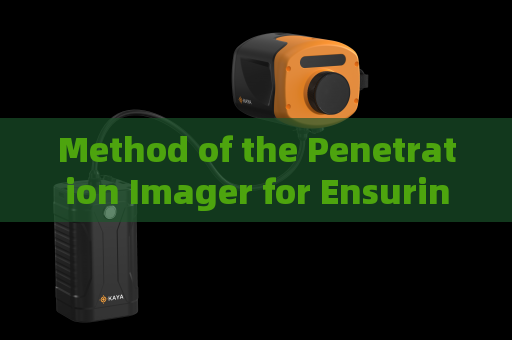
Moreover, the penetration imager excels in adverse weather conditions that often plague dynamic operations. Rain, snow, fog, and haze, which would normally degrade camera performance, are effectively mitigated by the range-gating principle. The system’s immunity to backscatter ensures that the operator receives a crisp image even through a rain-streaked windshield or in heavy mist. This reliability is critical when time is limited and every second counts—such as in active shooter response or hostage negotiation. By maintaining a secure distance and delivering high-definition visual intelligence, the penetration imager transforms a high-risk assessment into a safe, remote observation task. The technology does not rely on radiation or non-optical signals, remaining purely within the domain of advanced optical imaging. Its deployment in police and military units has already proven to save lives by keeping operators out of harm’s way while providing the situational awareness needed to make informed tactical decisions.