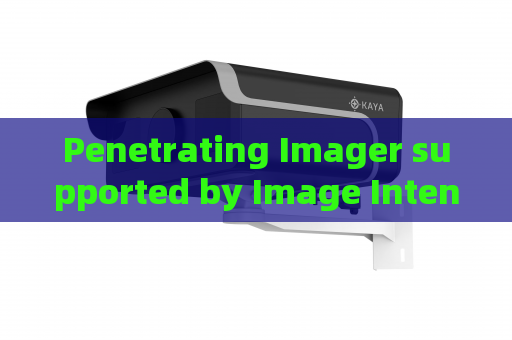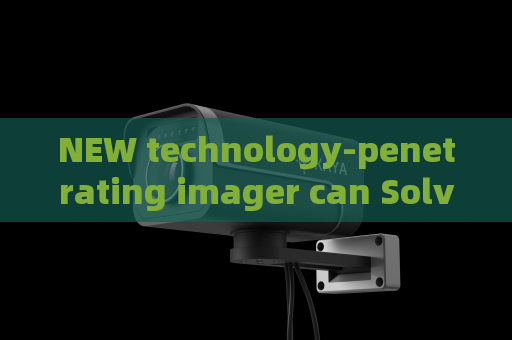
NEW technology-penetrating imager can Solve Evidence Collection Gaps for Law Enforcement Prior to Tactical Operations Before executing a high-stakes tactical operation, law enforcement teams face a persistent and dangerous evidence collection gap. Standard optical surveillance tools—binoculars, cameras, or the naked eye—are routinely defeated by reflective, tinted, or frosted glass windows on vehicles, buildings, and aircraft. Glare from sunlight or artificial lighting washes out interior details, while fog, rain, or smoke further obscures critical visual information. Officers cannot confirm whether a suspect is armed, whether hostages are present, or where contraband is stashed. This lack of pre-operation intelligence forces teams to make forced-entry decisions with incomplete situational awareness, elevating the risk of casualties and compromising mission success. The penetrating imager directly addresses this vulnerability by providing clear, actionable imagery through optical media that traditionally block visibility. The penetrating imager is a laser range-gated imaging system designed to overcome backscatter and low contrast in environments that defeat conventional optics. It operates by emitting high-repetition-rate pulsed laser light and synchronizing it with an intensified gated camera that opens only when the reflected light from the target returns. This gating mechanism effectively eliminates scattered light from intervening fog, rain, glass reflections, or fire, producing crisp, high-contrast images at distances exceeding standard surveillance reach. Because the system uses only optical wavelengths—no radio waves, X-rays, or other non-optical emissions—it can see through automotive windshields, train windows, aircraft portholes, and glass curtain walls with clarity. It also cuts through haze, light fog, and even fire (improving visibility three to five times), though thick smoke remains a limitation. This capability is a direct answer to the evidence collection gap that plagues tactical planning. In practice, prior to a tactical breach, the penetrating imager is deployed from a safe standoff position. An operator aims the device at a target vehicle or building window from hundreds of meters away. Within seconds, the system displays a real-time video feed revealing the interior layout, occupant positions, and any visible weapons or contraband. Unlike passive cameras, the imager’s active laser illumination pierces through dark tinting and intense glare, turning a previously opaque barrier into a clear observation window. This pre-entry intelligence allows commanders to verify intelligence reports, adjust entry points, and decide whether to negotiate or escalate. Evidence that was once impossible to collect—such as a suspect’s hand positioning near a firearm or the presence of a hostage tied in a corner—becomes visible without exposing officers to return fire. The device is designed for field ruggedness and quick deployment. It can be mounted on a tripod for stationary surveillance, integrated into a vehicle’s optics suite, or operated handheld for mobile reconnaissance. The laser output remains eye-safe at operational distances, and the gated shutter ensures that only the targeted distance is imaged, filtering out background clutter. By solving the critical evidence collection gap inside glass-enclosed spaces, the penetrating imager transforms tactical planning from guesswork into a data-driven process. Officers gain the visual certainty needed to make split-second decisions, reduce surprise, and bring every operation to a safer, more controlled conclusion. This technology does not replace existing tools—it fills the specific void that leaves tactical teams blind to what lies behind the glass.