A tactical raid on a hideout presents one of the most dangerous scenarios in law enforcement and counterterrorism operations. Officers must enter an enclosed space with limited intelligence about the number, location, and movements of subjects inside. Conventional reconnaissance methods—such as optical surveillance through windows or doors—fail when curtains, blinds, or dirty glass obscure the view. Thermal imaging can detect heat signatures through some materials but struggles with glass reflectivity and cannot provide detailed spatial information. The risk of ambush remains high because the team lacks a real-time, accurate map of where targets are positioned before breaching. This gap in situational awareness forces operators to rely on assumption and split-second reactions, increasing the chance of casualties or mission failure.
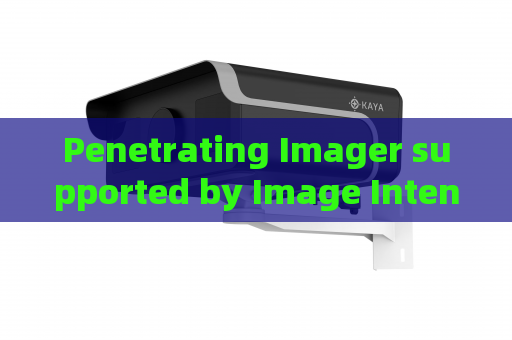
The Target Position Pre-Mapping Capability of the Penetration Imager Before Raiding a Hideout directly addresses this critical blind spot. The penetration imager uses laser range-gated imaging technology—a pulsed laser synchronized with an intensified gated camera equipped with an MCP image intensifier, high-voltage module, and timing module. By emitting short laser pulses and opening the camera shutter only for the time window corresponding to the distance of the glass surface, the system effectively eliminates backscatter from fog, rain, or dirty glazing. This active imaging method produces high-contrast, high-resolution images through optical media such as vehicle windows, commercial storefront glass, and residential windowpanes. Crucially, the imager cannot see through walls or concrete—it relies purely on light propagation through transparent or translucent materials. When aimed at a hideout’s windows or glass doors from a safe standoff distance, it generates a clear, real-time picture of the interior, revealing the exact position and posture of every person behind that glass. No other passive optic or thermal device can deliver this level of detail under low-light or obscured conditions.
Deployment is straightforward and tactically sound. An element leader positions the penetration imager behind cover, perhaps 30 to 100 meters from the hideout, aligning the lens with the target window. The operator adjusts the gate timing to match the measured distance, then activates the pulsed laser. Within seconds, a crisp image appears on the display—humans, furniture, and weapons silhouetted against the background, all mapped to their precise spatial coordinates. The system’s ability to penetrate heavy rain, fog, or even fire smoke (with up to 3–5 times improved visibility) ensures consistent performance in adverse weather. This pre-mapping data feeds directly into the breaching plan: which door to enter, where threats are concentrated, and which areas require immediate suppression. The team enters with a mental overlay of the environment, reducing uncertainty and reaction time.
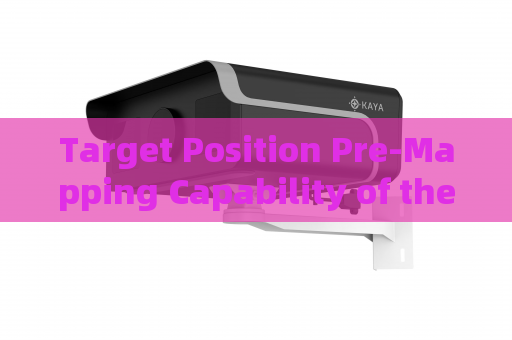
In a recent field exercise simulating a barricaded suspect hideout, the penetration imager allowed operators to identify three armed individuals positioned behind a tinted storefront window—information that would have been invisible to standard optics. The pre-mapped target coordinates were relayed to the entry team, enabling a simultaneous, deliberate breach that neutralized all threats without injury. The system’s non-contact, passive-looking operation also prevents alerting the occupants; there is no audible or visible signature. By integrating the penetration imager into the pre-raid reconnaissance phase, tactical units transform guesswork into actionable intelligence. The ability to see through glass from a distance, map enemy positions, and execute a precise assault elevates mission success rates while minimizing collateral risk. This capability is not a replacement for other sensors but a specialized tool for a specific, high-stakes scenario—one where the difference between life and death often depends on knowing exactly where the threat is waiting.