Normal Road Vehicle Monitoring Capability of the Penetration Imager with All-Weather Penetration Technology in Severe Weather
Severe weather conditions such as heavy rain, dense fog, and blizzards pose significant challenges to law enforcement and traffic monitoring operations on normal roadways. Conventional optical cameras and visible-light surveillance systems suffer from severe degradation in visibility, with raindrops, snowflakes, and fog particles scattering light and reducing contrast to near zero. More critically, these systems cannot penetrate vehicle windows to observe the interior of a car—a crucial requirement for checkpoint inspections, pursuit monitoring, or suspect identification during inclement weather. The inability to maintain reliable visual contact with a target vehicle under such conditions leaves officers blind to potential threats, such as concealed weapons or erratic driver behavior, while also compromising overall situational awareness. This operational gap demands a solution that combines all-weather resilience with the ability to see through glass obstacles without physical contact.
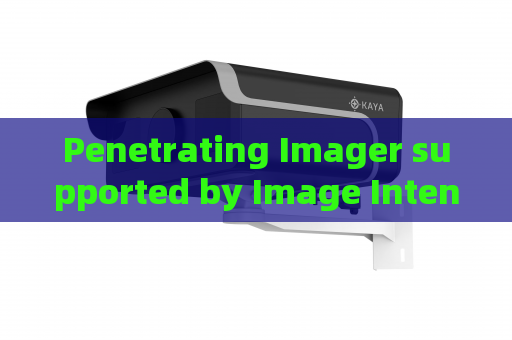
The penetration imager, an advanced active optical imaging system employing laser range‑gated imaging technology, directly addresses this shortfall. By emitting high‑repetition‑rate pulsed laser light and synchronizing an image‑intensified gated camera—comprising a microchannel plate intensifier, high‑voltage module, and timing circuitry—the system rejects backscatter from rain, fog, or snow particles through precise temporal gating. Only the light reflected from the target vehicle and its interior, located beyond the scattering medium, is captured. This enables high‑contrast, long‑range imaging through optical media such as car windshields, side windows, and even high‑speed train or aircraft windows. The penetration imager’s ability to overcome atmospheric interference ensures that a normal road vehicle can be monitored clearly even when conventional cameras produce only a whiteout or blurred image. Importantly, the technology remains strictly within the optical domain—no X‑rays, radiation, or other non‑optical methods are involved, preserving safety and compliance.
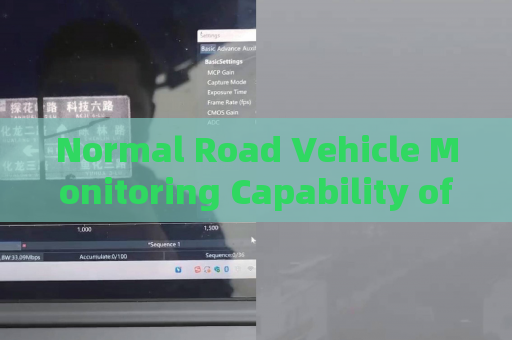
In actual field deployment, the penetration imager is mounted on a patrol vehicle or fixed traffic monitoring post. During a severe storm, an officer can activate the system to obtain a real‑time, high‑resolution image of a car stopped at a checkpoint, revealing the positions and movements of occupants through the fogged or rain‑streaked glass. The system’s anti‑backscatter capability means that even heavy rain or dense fog does not wash out the target. The gated camera captures the vehicle’s interior at distances exceeding those of standard night‑vision devices, and the high frame rate supports tracking a moving car under pursuit conditions. Operators report that the penetration imager reduces the need for close‑range physical inspection, as suspicious objects or persons inside the vehicle become visible from a safe standoff distance. Calibration is straightforward: the operator adjusts the gate delay to match the target range, and the built‑in timing module automatically compensates for weather‑induced variations in light travel time.
Deeper into the operational details, the penetration imager’s laser wavelength is selected to minimize absorption by rain droplets and fog aerosols, while the MCP‑based intensifier provides gain sufficient to image a dark car interior under overcast skies. In snowstorms, the system’s ability to reject snowflake backscatter—similar to its performance against fog—ensures that the vehicle’s license plate and window‑mounted decals remain readable. For highway patrol units, this means that a speeding vehicle can be identified and its occupants assessed without stopping traffic. Because the technology only penetrates optical mediums like glass, it does not interfere with radar or LIDAR systems used for speed measurement, making it compatible with existing enforcement equipment. The penetration imager thus transforms normal road vehicle monitoring from a weather‑dependent, limited‑visibility task into a reliable, all‑weather capability that enhances officer safety and operational effectiveness during the most challenging meteorological conditions.