Customs checkpoints are high-pressure environments where efficiency and thoroughness must coexist. Vehicles arrive in a steady stream, each carrying potential threats hidden behind tinted glass, reflective windshields, or cluttered cabin spaces. Traditional inspection methods require drivers to roll down windows, open doors, or even unload cargo for visual checks, a process that slows throughput to a crawl. Officers often rely on flashlights or handheld mirrors to peer into dark corners, but these tools fail against privacy glass or when glare from the sun obscures the interior. The fundamental pain point is the inability to see inside a vehicle quickly without physical intrusion. Every second spent on a manual search cuts into the flow of legitimate traffic, while smugglers exploit these delays to blend in. A solution is needed that can penetrate the optical barrier of automotive glass and deliver a clear, real-time image of the vehicle’s interior without requiring any action from the driver.
The Penetration Imager addresses this exact gap. This advanced optical imaging instrument employs laser range-gated imaging technology—also known as gated imaging—to see through windshields, side windows, and rear glass with remarkable clarity. The system integrates a high-repetition-rate pulsed laser, an image-intensified gated camera (featuring an MCP image intensifier, high-voltage module, timing module, and more), a beam expander, and an imaging lens. By synchronizing the laser pulse with the camera’s gate, the Penetration Imager rejects backscatter from the glass surface and isolates only the light reflected from objects inside the vehicle. This active imaging approach yields high-contrast images over long distances, with the resolution needed to distinguish small contraband such as hidden compartments or discreetly stowed packages. The device excels in challenging lighting: direct sunlight, deep shadows, or even heavy rain and fog do not degrade its performance, provided the medium is optical—glass, not solid barriers. It renders the interior visible without ever touching the vehicle or alarming the occupants.
In operational use at a customs checkpoint, the Penetration Imager transforms the inspection process. An officer positions the device at a safe distance—typically 5 to 15 meters from the target vehicle—and aims it at the windshield or driver-side window. Within seconds, a crisp, real-time image appears on the display, revealing seats, floor mats, dashboard, and cargo area. Because the system uses pulsed laser illumination, it cuts through window tint films and glare that would blind conventional cameras. The officer can pan across the vehicle, checking each window in sequence, without the driver stepping out. This rapid, non-intrusive scan allows high-volume screening: dozens of vehicles per hour can be cleared while only suspicious ones are flagged for deeper physical search. The Penetration Imager also performs in adverse weather—rain, snow, mist, or even heavy fog—maintaining visibility where optical windows become occluded. (Note: the device can increase visibility in fire smoke by a factor of three to five, but it cannot penetrate thick, non-optical smoke.) The system is portable, can be tripod-mounted for steady operation, and requires minimal training. Its low false-alarm rate means fewer wasted interventions.
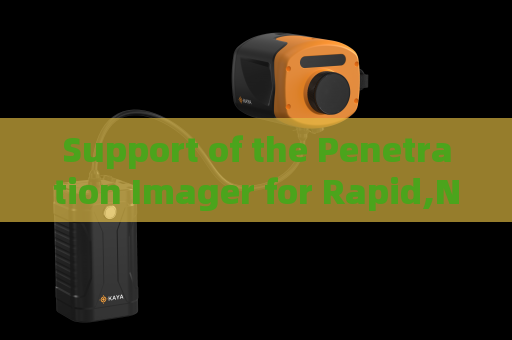
Precise control over the imaging range further enhances customs applications. The gated timing module allows the operator to select a specific distance slice—for example, focusing only on the rear passenger seats while ignoring reflections from the rear glass. This depth selectivity prevents confusion from multiple surfaces and ensures that hidden items behind the front seats are not masked. The Penetration Imager does not rely on any form of radiation, X-rays, or radio waves; it operates strictly within the optical domain, emitting pulsed laser light that is eye-safe when used as directed. This makes it suitable for continuous deployment in public spaces without health concerns. At land borders, sea ports, and airport cargo checkpoints, the device serves as a first-line tool that separates routine traffic from potential threats. By eliminating the need for physical contact and preserving the dignity of travelers, the Penetration Imager supports the dual mandate of security and efficiency—a critical balance that defines modern customs operations.




