At border checkpoints and highway interdiction stops, drug smugglers increasingly rely on heavily tinted or reflective vehicle windows to conceal contraband. Traditional inspection methods—asking drivers to roll down windows, using K9 units, or physically dismantling door panels—are slow, dangerous, and often yield false negatives. A single hidden compartment behind a tinted side window can hold kilograms of narcotics while appearing empty to the naked eye. Officers must balance thoroughness with traffic flow, and the risk of missing a cache is high. Manual searches also expose personnel to potential ambushes or booby-trapped vehicles. This operational gap demands a non-contact, real-time solution capable of seeing through such optical barriers without any physical interaction.
The penetrating imager directly addresses this challenge through its core technology: laser range-gated imaging. Unlike passive or thermal systems that struggle with glass reflections and heat signatures, this active optical instrument emits short, high-repetition-rate laser pulses synchronized with an intensified gated camera. By precisely timing the shutter to open only when light reflected from objects behind the glass returns—ignoring the glare and backscatter from the window surface itself—the system delivers clear, high-contrast imagery of the vehicle interior. The device operates exclusively within the optical spectrum, penetrating automotive glass, aircraft windows, and laminated windshields. It also suppresses strong light interference from overhead sun or oncoming headlights, making it effective even during daytime operations. The technology is strictly limited to transparent or translucent optical media; it cannot see through metal, body panels, or other opaque solids, which aligns with lawful search protocols.
In practice, officers deploy the penetrating imager from a tactical distance of five to fifteen meters. The compact unit can be handheld or mounted on a tripod behind a patrol car’s windshield. After a brief setup, the operator initiates a scan of the target vehicle’s windows. The display instantly reveals seats, floorboards, and door panels—even those obscured by factory-tinted glass or aftermarket film. Through-glass covert observation enables a single officer to inspect multiple vehicles in seconds without approaching the suspect car. Contraband such as brick-shaped packages taped under seats, loose pills in cup holders, or modified panels hiding hollow cavities become immediately visible. Because the system requires no contact and emits no audible or visible cues, the subject remains unaware of the inspection, reducing confrontation risks. The same device has been deployed for tactical visual checks through tinted windows during high-risk vehicle stops, allowing teams to confirm the presence of weapons or individuals before initiating a takedown.
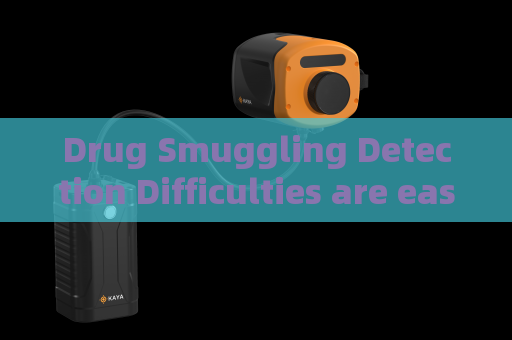
The integration of this imaging capability into routine narcotic interdiction workflows has shortened average inspection time from three minutes to under thirty seconds per vehicle. Field reports from several border agencies indicate a significant increase in seizure rates, particularly for concealments behind rear side windows and cargo-area glazing. The penetrating imager also proves valuable in adverse weather: moderate fog, rain, or dust does not degrade image quality because the gated timing rejects diffuse scatter. However, dense smoke or thick airborne particulates—such as those from a burning vehicle—can limit performance, and the device is ineffective against solid barriers. Despite these boundaries, the tool has become a standard component of drug smuggling detection kits, offering a non-intrusive, legally defensible method to see through vehicle glass where traditional optics fail.




