Content:
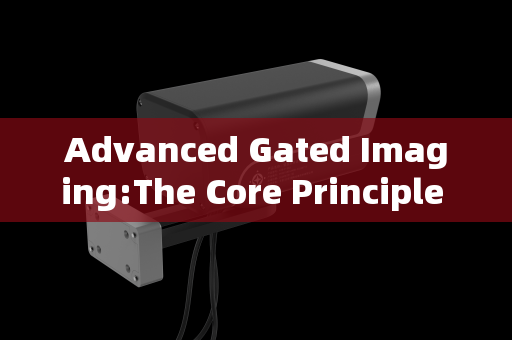
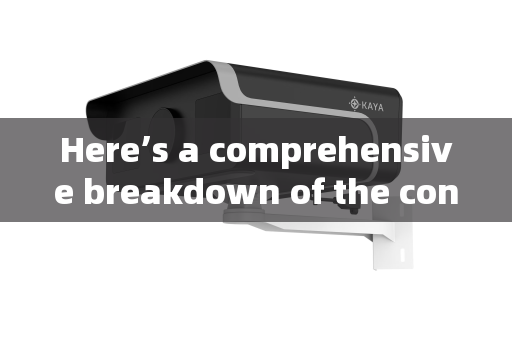
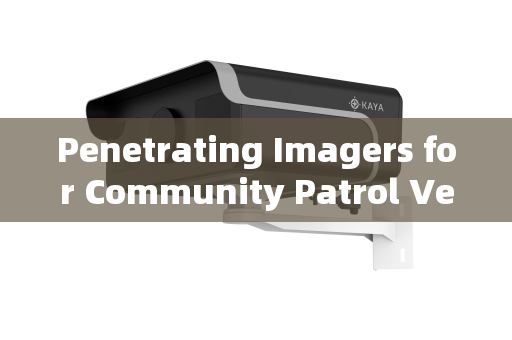
Penetration Imager Effect Images
In the critical, low-visibility environments faced by first responders—such as dense smoke in urban fires, obscuring haze in forest blazes, or particulate-filled air in industrial disasters—the ability to see clearly can mean the difference between life and death. Traditional imaging systems, including standard infrared cameras, are often defeated by intense backscatter from particles like smoke, dust, or water droplets. This is where Penetration Imaging Systems emerge as a transformative technology. But what principle does such a system use to achieve its remarkable smoke-penetrating capability for rescue? The answer lies in a sophisticated technique known as Laser Range-Gated (LRG) Imaging, or Gated Imaging Technology.
At its core, a penetration imaging system is designed to acquire high-contrast visual information through obscurants and in extreme low-light or no-light conditions. Its primary function is to "see through" visually hostile barriers not only like smoke but also fire, fog, rain, snow, and various types of glass (e.g., vehicle windows, building facades, aircraft portholes), enabling the detection and identification of subjects, hazards, or structural details otherwise hidden.
The operational principle is a masterclass in precision timing and controlled illumination. The system innovatively integrates a high-repetition-rate pulsed laser with a gated intensifier camera. Here is how it works:
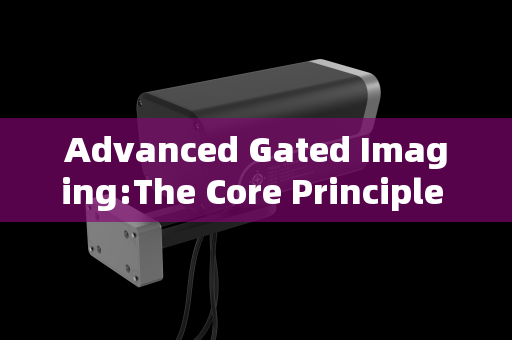
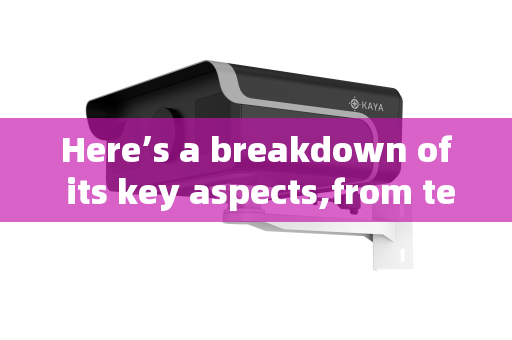
Penetration Imager Effect Images
-
Pulsed Illumination: The system emits extremely short, powerful pulses of laser light (in the nanosecond range) towards the target scene. This laser light is typically in the infrared spectrum, invisible to the naked eye but detectable by the specialized camera.
-
Gated Reception & Time Slicing: This is the crux of the "gated" technology. The intensifier camera's sensor is not continuously active. Instead, it functions as an ultra-fast, precise optical shutter. A synchronized timing module opens this shutter for an equally brief window—only at the exact moment the laser pulse reflected from the target object is due to arrive back at the camera. The timing delay between the laser pulse and the shutter opening corresponds to the specific distance to the target.
-
Rejection of Backscatter: Light reflected or scattered by obscurants (smoke, fog, etc.) close to the camera returns first. By keeping the camera's shutter closed during this initial period, the system electronically rejects this unwanted backscattered light. It only "sees" the light that has traveled the full distance to the intended target and back. This active suppression of foreground clutter results in a dramatically enhanced image contrast.
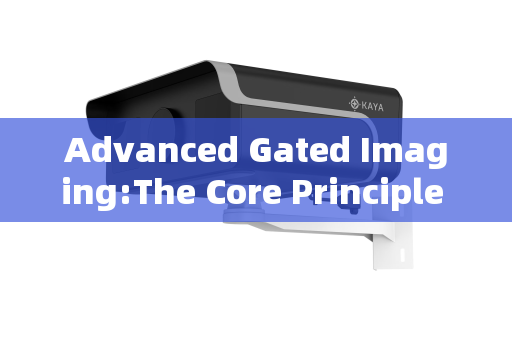
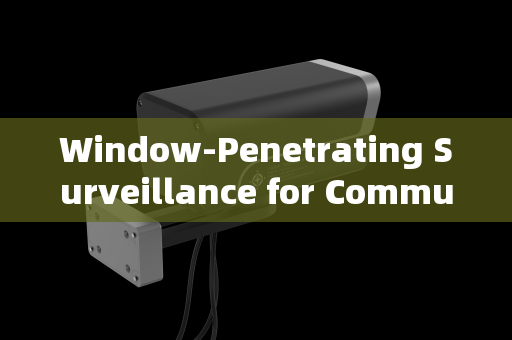
Penetration Imager Effect Images
-
3D Stacking & Advanced Capabilities: By rapidly repeating this process with varying time delays (gating), the system can perform "slice-by-slice" imaging of different range zones. Advanced systems, incorporating components like Microchannel Plate (MCP) image intensifiers offering optical gains exceeding 10^6 and shutter gates faster than 3 nanoseconds with picosecond-level synchronization, can compile these slices. This not only provides clear 2D imagery but can also facilitate high-precision three-dimensional information acquisition of the scene.
This principle grants penetration imaging systems exceptional characteristics vital for demanding operational scenarios: long effective range, high range resolution, superior resistance to interference, and the pivotal ability to overcome backscatter.
Application in Rescue and Emergency Scenarios: In firefighting and urban search and rescue (USAR), these systems allow crews to navigate through zero-visibility smoke, locate victims more rapidly, identify the seat of a fire behind flames, and assess structural integrity through windows. They are indispensable for forest fire monitoring, mine rescue, and maritime/aquatic rescue operations, including underwater imaging. They meet high-level demands in training facilities and critical infrastructure protection.
Expansion into Law Enforcement, Military, and Security Domains: For police and tactical units, the technology enables covert surveillance through windows, evidence gathering in obscured conditions, counter-terrorism operations in smoke-filled environments, and robust perimeter security regardless of weather. It plays a significant role in border and coastal surveillance, ensuring operational capability in fog, haze, or darkness for tasks like ship interdiction and port security, often combined with strong light suppression features.
Conclusion: The smoke-penetrating imaging capability crucial for modern rescue is achieved through the sophisticated Laser Range-Gated Imaging principle. By marrying pulsed laser illumination with nanosecond-precise, gated camera reception, these systems actively filter out the very obscurants that blind conventional optics. This technological leap provides first responders and security personnel with "superhuman vision," transforming hazardous, opaque environments into actionable intelligence landscapes. As the technology matures, its integration into Smart City frameworks, next-generation security systems, and comprehensive public safety networks promises to further elevate operational effectiveness and save lives across an ever-broadening spectrum of emergencies.