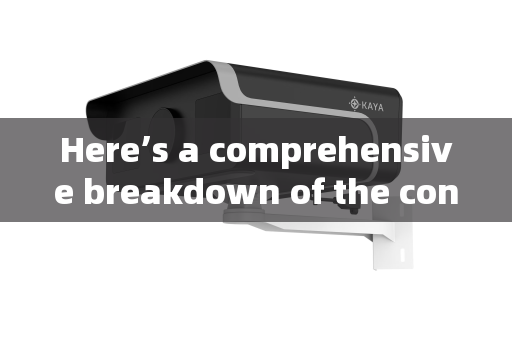
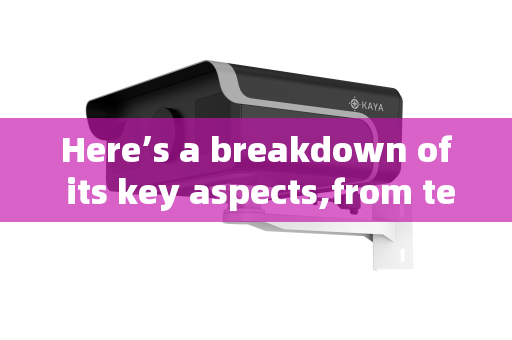
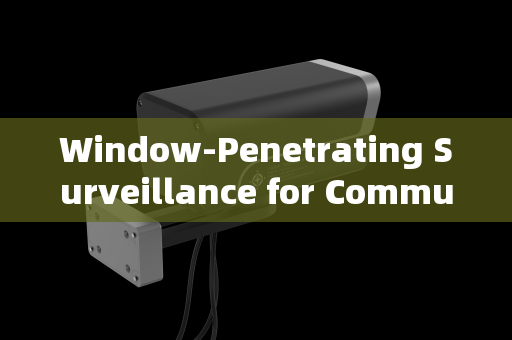
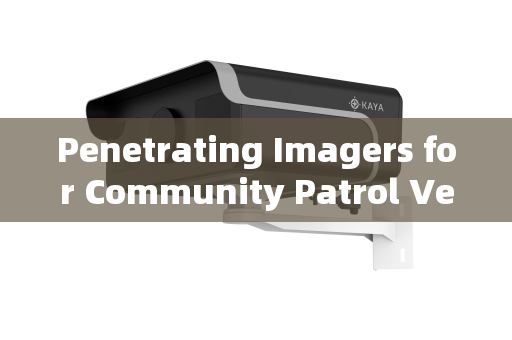
In the chaotic, zero-visibility heart of a structure fire, every second counts for both trapped victims and responding firefighters. Traditional thermal imaging cameras (TICs) have been revolutionary, allowing crews to "see" heat signatures through darkness. However, a formidable adversary remains: thick, obscuring smoke. It scatters light, degrading or completely blinding conventional optical and thermal systems, turning navigation and victim identification into a dangerous guessing game. This critical challenge leads to the pivotal question: Can a penetration imaging system penetrate smoke for imaging during fire rescue?
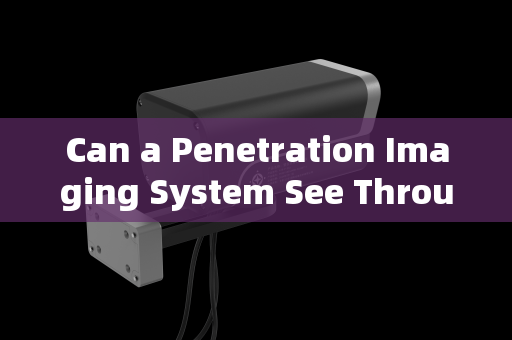
Penetration Imager Effect Images
The answer is a resounding yes, thanks to a revolutionary technology known as Laser Range-Gated (LRG) Imaging or Gated Imaging. This advanced penetration imaging system is fundamentally changing the paradigm of fireground situational awareness.
Understanding the Technology: How It "Sees" Through the Obscuration
A penetration imaging system is not a mere camera; it is a synchronized, active imaging platform designed to defeat various forms of visual obscuration. Its core innovation lies in the precise marriage of a high-repetition-rate pulsed laser and a gated, intensified camera.
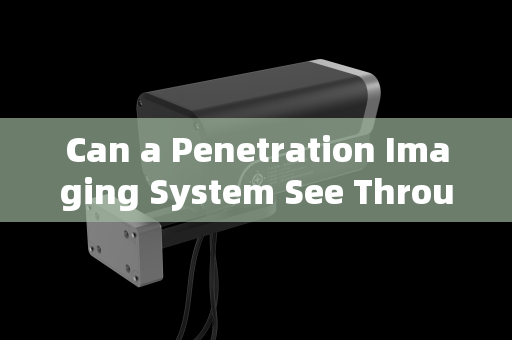
Penetration Imager Effect Images
Here is how it works:
- Pulsed Illumination: The system emits extremely short, powerful bursts of laser light (nanosecond pulses) towards the target scene.
- Precision Timing: This is the key. The system's camera is equipped with an ultra-fast, electronically controlled "gate" (an optical shutter). This gate remains closed initially, blocking all light, including the backscatter from smoke, fog, or dust particles very close to the lens.
- Slicing Time and Space: The system calculates the time it takes for the laser light to travel to a specific distance and reflect back. The camera's gate opens only for a minuscule window (e.g., less than 3 nanoseconds), perfectly synchronized to capture only the light returning from that specific "slice" of space. Light from smoke particles before and after that slice is rejected.
- Stacked Imaging: By rapidly adjusting this time delay, the system can "slice and scan" through the obscuration, building a clear, high-contrast image of objects hidden behind smoke, fog, or even certain types of glass.
Key Advantages for Fire & Rescue Operations
This technical prowess translates into life-saving capabilities in emergency response:
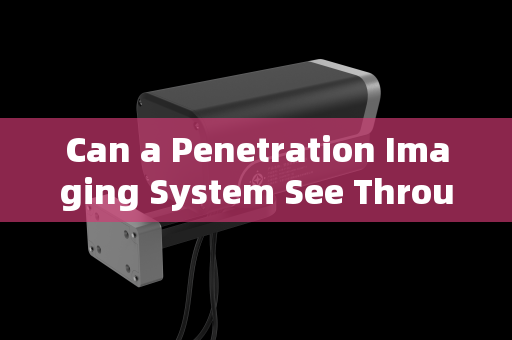
Penetration Imager Effect Images
- Superior Smoke & Aerosol Penetration: It effectively suppresses backscatter from smoke, allowing firefighters to identify obstacles, structural details, and, crucially, victims deep within smoke-filled rooms far more clearly than with standard TICs.
- Long-Range Capability: The coherent laser light can illuminate distant targets, providing intelligence from safe stand-off distances at large-scale incidents like warehouse fires or wildland-urban interface events.
- Glass & Window Penetration: It can "see through" windows, glass facades, and vehicle windshields with minimal reflection, enabling rapid assessment of interiors before making entry—a critical tool for both fire rescue and tactical law enforcement operations.
- Resilience in Adverse Conditions: The system performs effectively not only in smoke but also in other challenging environments such as haze, light fog, and precipitation, ensuring reliability when it is needed most.
Broader Application Spectrum in Emergency and Security Services
While fire rescue is a primary beneficiary, the versatility of penetration imaging systems makes them a force multiplier across multiple domains:
- Law Enforcement & Tactical Operations: For surveillance through windows, long-range identification in poor visibility, crime scene investigation in adverse weather, counter-terrorism reconnaissance, and maritime interdiction. It supports Intelligent Policing and Smart City Security infrastructures.
- Maritime & Border Security: These systems enable long-range fog-penetrating imaging and glare suppression, safeguarding navigation, port security, and coastal monitoring missions in all weather conditions.
- Industrial & Critical Infrastructure Safety: Inspection of hazardous areas through visual barriers, monitoring of high-value assets in fog or smoke, and security of perimeter fencing in low-visibility conditions.
- Search and Rescue (SAR): Enhancing capabilities for mountain rescue in fog, maritime SAR over water, and disaster response in dusty or smoky aftermaths.
Conclusion: A Clear Vision Through the Chaos
The question is no longer if a penetration imaging system can penetrate smoke for fireground imaging, but how essential it has become for modern rescue and security operations. By leveraging advanced gated imaging technology, these systems provide a critical layer of intelligence, piercing through visual obscurants that have long hindered first responders. They deliver clarity where there is chaos, distance where there must be safety, and ultimately, save crucial time in missions where every moment is precious. As the technology evolves, its integration into firefighting, homeland security, and critical infrastructure protection will continue to deepen, setting a new standard for seeing the unseen.