Article:
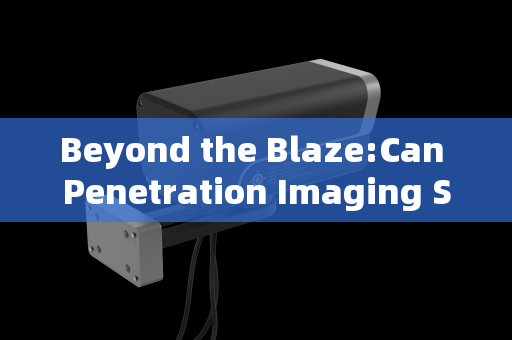
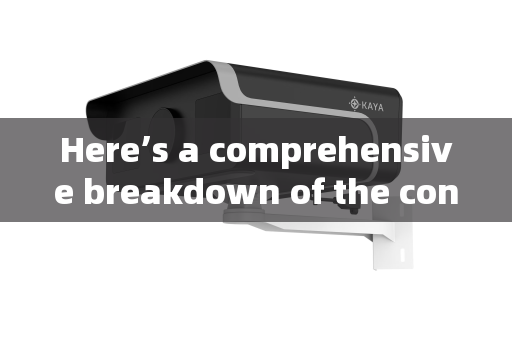
Penetration Imager Effect Images
The scene is chaos incarnate: a roaring inferno, thick, obscuring smoke, and intense heat radiating through collapsed structures. For firefighters and search-and-rescue teams, every second inside such an environment is a high-stakes gamble. Traditional thermal imaging cameras are invaluable, but they struggle with a fundamental problem—directly imaging through the intense optical noise of flames themselves. This raises the critical operational question: Can a penetration imaging system penetrate flames for imaging during fire rescue? The answer, powered by advanced laser gated imaging technology, is a transformative yes, offering a potential paradigm shift in lifesaving capabilities.
Understanding Penetration Imaging: A Technological Breakdown
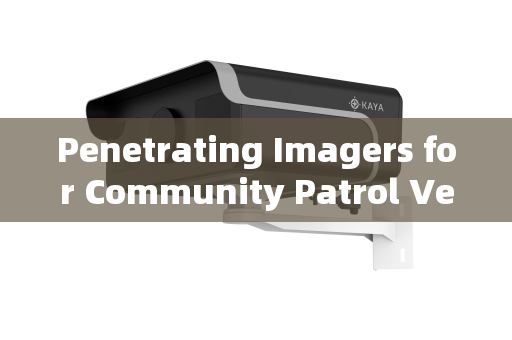
A penetration imaging system, specifically one employing Laser Range-Gated Imaging (LRG) or Gated Imaging Technology, is not merely a camera. It is a sophisticated active imaging suite designed to acquire visual information under extreme conditions where conventional optics fail. Its core innovation lies in the precise synchronization of a high-repetition-rate pulsed laser and an image-intensified gated camera.
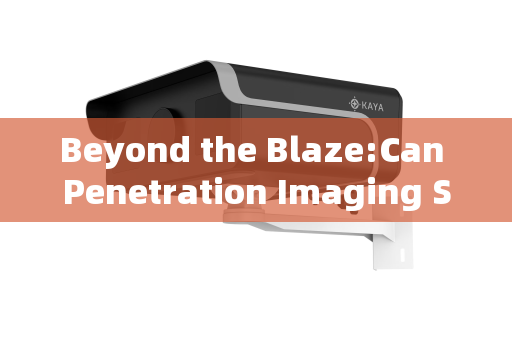
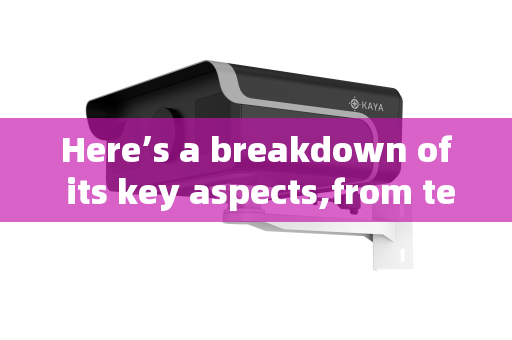
Penetration Imager Effect Images
The process functions like controlled, high-speed "slicing" of space:
- A powerful, short burst (nanosecond pulse) of laser light illuminates the scene.
- The gated camera, synchronized with nanosecond-to-picosecond precision, remains "off" or closed initially, rejecting all light.
- After a precisely calculated time delay—corresponding to the time light takes to travel to a specific distance and back—the camera's shutter (or "gate") opens for an ultra-short period (e.g., <3ns).
- Only the light reflected from objects at that exact "slice" of distance arrives during this open gate, entering the camera. Light from foreground clutter, atmospheric backscatter (from smoke, fog, or flames), or background areas is effectively excluded.
- By rapidly scanning this gate delay, the system can build a clear, high-contrast image of the target scene, layer by layer, effectively seeing through obscurants.
Core Components & Capabilities
This system comprises a pulsed laser emitter, a beam expander, imaging lenses, and the crucial Gated Intensified Camera. This camera integrates a Microchannel Plate (MCP) image intensifier, high-voltage modules, and precision timing/gating electronics. This enables phenomenal optical gain (>10^6), ultra-fast gating (<3ns), and synchronization precision better than 10ps. The result is a system capable of long-range imaging with high distance resolution, superior interference immunity, and the unique ability to overcome backscatter.
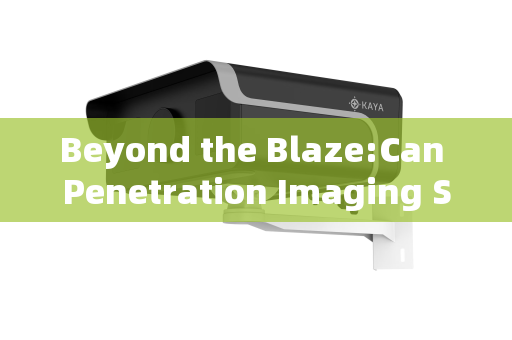
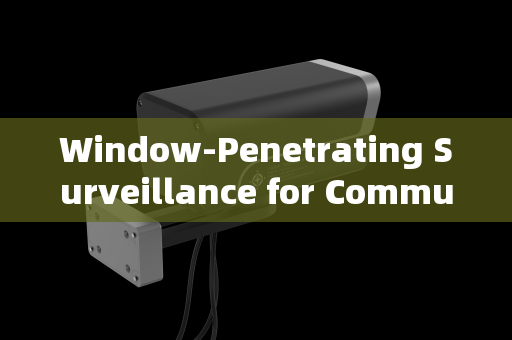
Penetration Imager Effect Images
Penetrating the Fireground: The Rescue Application
For fire and rescue services (Fire & Rescue Services, Urban & Wildland Firefighting, USAR), the implications are profound. Flames, along with smoke, steam, and debris, create a visually impenetrable barrier.
- Seeing Through Flames and Dense Smoke: By gating out the intense, diffuse light emitted and scattered by the flames themselves, the system can isolate the reflected laser signal from objects or victims behind the fire front. This allows for victim identification, structural assessment, and hazard localization (like leaking fuel tanks or compromised cylinders) with unprecedented clarity in active fire conditions.
- Remote Reconnaissance and Forced Entry Planning: The system can penetrate various glass types (vehicle windshields, building windows,高铁 train glass, aircraft portholes) from a safe distance, even in darkness or through smoke. This enables risk assessment before breaching, checking for occupants or internal fire spread without approaching the structure directly.
- Enhancing Training and High-Value Asset Protection: At live-fire training facilities and for protecting critical infrastructure or landmark buildings, such systems provide trainers and security details with clear visual data through simulated or real obscurants, improving safety and tactical planning.
Broadening the Horizon: Military, Law Enforcement, and Security Applications
The technology's utility extends far beyond the fireground:
- Military & Law Enforcement (Mil/LE): It is ideal for long-range surveillance through fog, rain, or haze, counter-sniper detection, covert reconnaissance, maritime interdiction (缉私), and force protection. Its ability to see into vehicles or through light obscurants aids in checkpoint security (查缉布控), counter-terrorism operations, and evidence collection.
- Border & Coastal Security (海防边防): It enables all-weather, day-night surveillance for maritime domain awareness, port security, and border patrol, effectively countering smuggling and unauthorized incursions.
- Smart City & Public Safety Infrastructure: Integrated into 智慧公安 (Smart Policing) frameworks, it can provide persistent monitoring capabilities in challenging weather, enhancing urban security networks.
Conclusion
So, can a penetration imaging system penetrate flames for imaging during fire rescue? Absolutely. By mastering the dimension of time at the speed of light, Laser Range-Gated Imaging systems provide first responders with a "superpower" – the ability to strip away visual chaos and see the critical details hidden within. This technology moves rescue operations from reactive guesswork in the face of obscuring elements to informed, proactive decision-making. As it matures and becomes more integrated into responder toolkits, it promises to significantly enhance operational efficiency, officer safety, and most importantly, survival rates for victims trapped behind walls of flame and smoke, marking a revolutionary advance in emergency response technology.