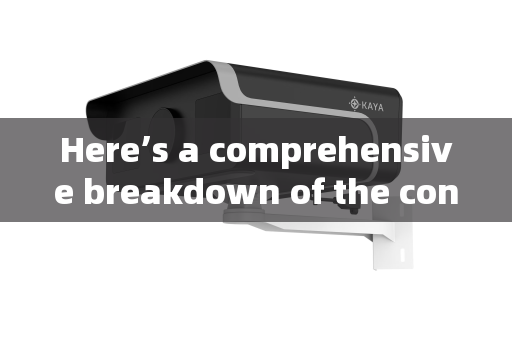
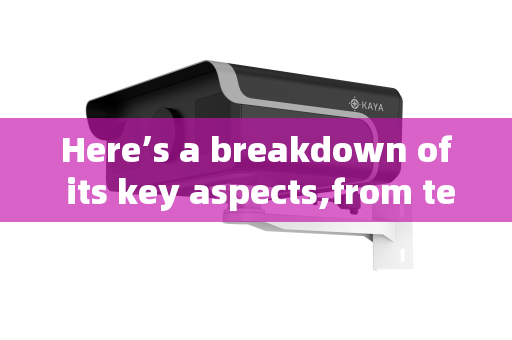
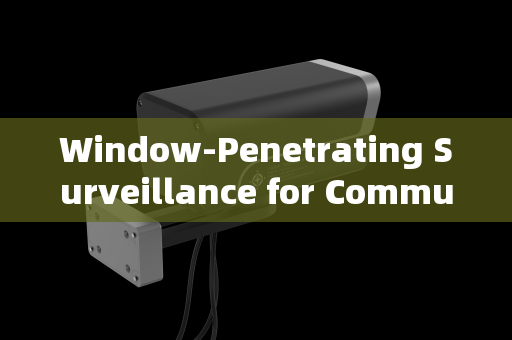
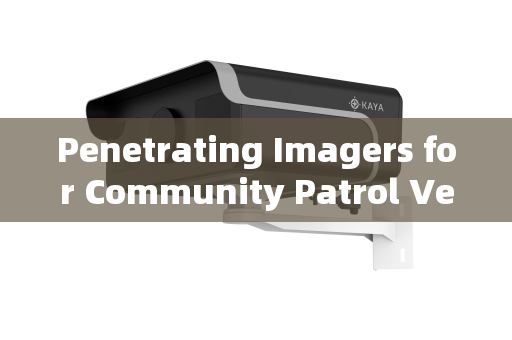
In the high-stakes realm of tactical law enforcement and military operations, the success of a raid hinges on the quality and timeliness of intelligence gathered during the pre-assault phase. Operators cannot afford to enter a dynamic threat environment blind. Traditional reconnaissance methods—human observation, basic optics, or even standard night vision—often fall short when faced with obscured visibility, structural barriers, or deliberate concealment. This critical intelligence gap is where the Penetration Imaging System emerges as a transformative asset, functioning as the "unseen eye" that delivers unparalleled situational awareness before the first operator breaches the door.
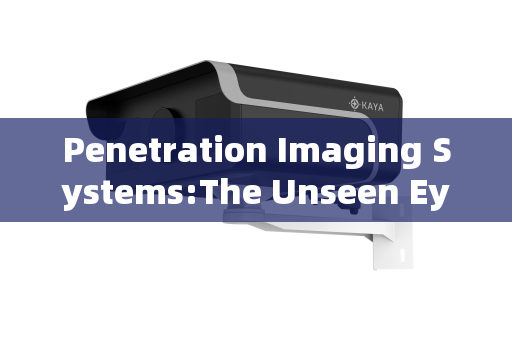
Penetration Imager Effect Images
Understanding the Core Technology: Seeing Through the Unseeable
At its heart, a modern penetration imaging system is not merely a camera; it is a sophisticated active imaging platform. It leverages Laser Range-Gated Imaging (LRG) or gated viewing technology. This innovative approach synergistically combines a high-repetition-rate pulsed laser with a gated, intensified camera. The system operates by emitting ultrashort (nanosecond) laser pulses towards the target area. The camera's intensifier, synchronized with nanosecond precision to the laser pulses, acts as an ultrafast optical shutter. It opens only for a precisely delayed window corresponding to the time it takes for light to return from a specific "slice" of space. By progressively scanning through these time-delayed slices, the system constructs a clear, high-contrast image of objects at that specific range.
This method is revolutionary because it effectively eliminates backscatter from obscurants (like smoke, fog, dust, or rain) between the sensor and the target slice. Light scattered from these intermediate particles arrives at different times and is gated out, while light reflected from the solid target at the designated range is captured. Key components include a pulsed laser, beam expander, imaging lens, and the critical Gated Intensified Camera. This camera integrates a Microchannel Plate (MCP) image intensifier, high-voltage modules, and precision timing circuitry, enabling phenomenal optical gain (>10^6), ultrafast gating (<3ns), and superlative synchronization precision (<10ps). This allows for not just imaging, but often high-precision three-dimensional information acquisition of the target scene.
The Tactical Edge in Pre-Raid Reconnaissance
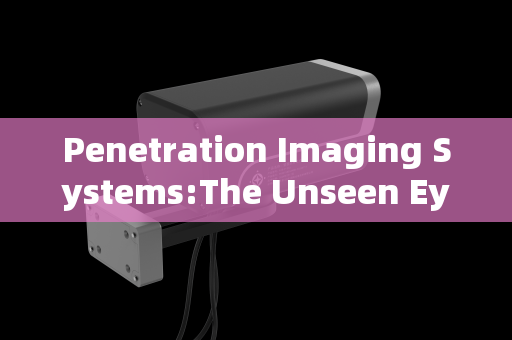
Penetration Imager Effect Images
For tactical teams planning a raid—be it for counter-terrorism, high-risk warrant service, hostage rescue, or covert military operations—the penetration imaging system provides decisive advantages during the critical pre-assault reconnaissance phase:
-
Covert Reconnaissance through Barriers: The system's ability to "see through" various types of glass (car windows, building fenestration, aircraft portholes, specially treated glass) without detection is a game-changer. Operators can covertly identify the number, location, and activity of occupants inside a structure or vehicle from a safe stand-off distance, without alerting them by approaching windows or using intrusive methods. This directly informs entry points, threat prioritization, and engagement rules.
-
Defeating Environmental Obscurants: Raids do not wait for clear weather. Whether a target location is filled with smoke (from incidental fires or deliberate obscuration), heavy rain, fog, or mist, the LRG technology can "see through" these mediums. This ensures that the assault element has the most current layout and threat information, even if conditions deteriorate during the containment phase.
-
Enhanced Long-Range, Low-Light/No-Light Observation: The system's active illumination is imperceptible to the human eye, providing clear imaging in total darkness without revealing the observers' position. Its long effective range allows for reconnaissance from concealed positions far beyond the capabilities of conventional night vision or thermal imagers, which may struggle with detail through glass or in featureless thermal environments.
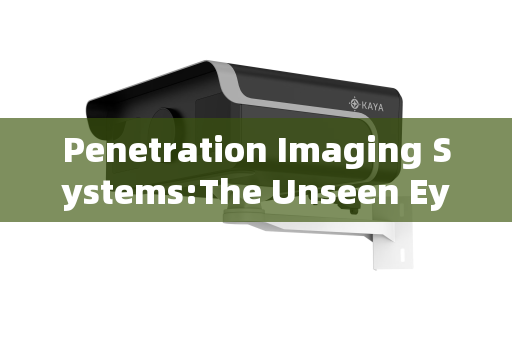
Penetration Imager Effect Images
-
Accurate Interior Mapping and Threat Identification: By slicing through visual clutter, the system can help map room layouts, identify barricades, and distinguish between combatants and non-combatants with greater clarity than thermal imaging alone, which shows heat signatures but lacks detail. The potential for 3D data further aids in planning precise tactical approaches.
-
Application in Maritime and Border Operations: For Maritime Interdiction Operations (MIO) or border security raids on vessels, the system's ability to perform through-hull imaging or see through spray, fog, and glare provides critical intelligence on deck activity and internal layouts before boarding teams are deployed, mitigating ambush risks.
Integration into Broader Operational Framework
The penetration imaging system is a cornerstone for modern Intelligence, Surveillance, Target Acquisition, and Reconnaissance (ISTAR) capabilities in tactical law enforcement and military units. It feeds directly into the "SMEAC" (Situation, Mission, Execution, Administration & Logistics, Command & Signal) operational planning process, specifically refining the "Situation" segment with hard, real-time data. Its role extends beyond direct action; it is vital for evidence collection, surveillance, and forensic pre-analysis in complex investigations.
In the domains of Smart Policing, Urban Security, and Critical Infrastructure Protection, these systems enhance persistent surveillance capabilities, allowing for the monitoring of sensitive areas through atmospheric challenges and transparent barriers.
Conclusion
The penetration imaging system has redefined the art of tactical pre-assault reconnaissance. By mastering the physics of light and time, it grants operational commanders and frontline operators a profound and previously unattainable level of visual intelligence. It mitigates the "fog of war" at the tactical level, reducing uncertainty, minimizing collateral damage, and most importantly, enhancing the safety and operational effectiveness of the raiding force. In an era where technological advantage is a key determinant of mission success and operator survivability, the penetration imaging system stands as an indispensable tool in the tactical toolkit, ensuring that when the breach begins, the team is not entering the unknown, but executing a plan informed by the clarity of the unseen.