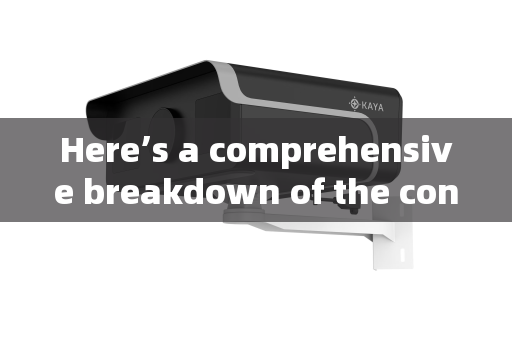
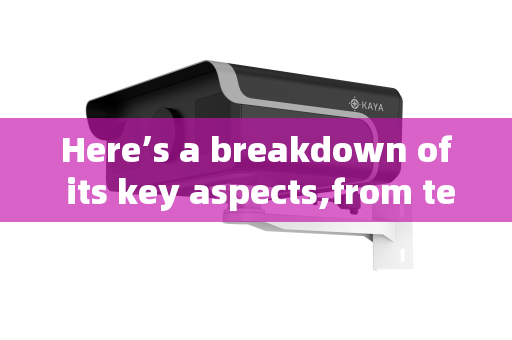
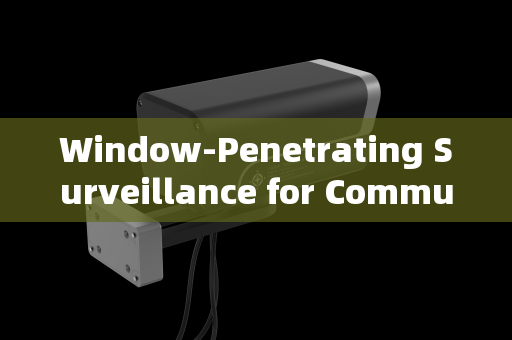
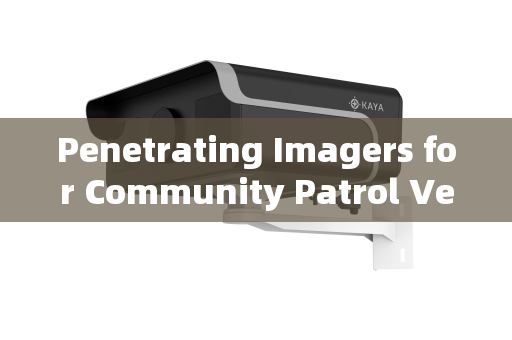
The security landscape surrounding major international events—be it global summits like the G20, major sporting events like the Olympics, or large-scale political assemblies—is inherently complex and high-stakes. Ensuring the safety of attendees, dignitaries, and the general public requires a multi-layered security apparatus, where the screening of vehicles approaching sensitive perimeters is a critical, non-negotiable line of defence. In this high-pressure environment, traditional inspection methods often reach their limits, especially against sophisticated threats or when operational conditions are less than ideal. This is where advanced Penetration Imaging Systems transition from being a technological advantage to an operational necessity, fundamentally transforming the capabilities of security personnel.
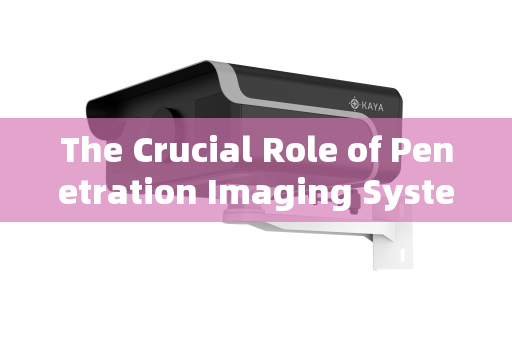
Penetration Imager Effect Images
Understanding the Penetration Imaging System
At its core, a Penetration Imaging System is not a standard camera or thermal imager. It is a sophisticated active imaging platform designed to "see through" visual obstructions that normally impede inspection. The system leverages advanced Laser Range-Gated Imaging (LRG) technology, also known as gated imaging. This innovative approach ingeniously combines a high-repetition-rate pulsed laser with a gated intensified camera.
The operational principle is both elegant and powerful. The system emits ultra-short, nanosecond-duration pulses of laser light. The gated camera, synchronized with pinpoint temporal accuracy (often with sub-10 picosecond precision), only opens its ultra-fast optical shutter (as brief as 3 nanoseconds) for the specific moment when the laser pulse illuminates the target area of interest and returns. By progressively delaying this shutter opening time, the system can effectively "slice" and scan through different range distances, building a clear, high-contrast image layer by layer. This precise time-slicing is the key to its unique capabilities.
Key Functional Advantages for Vehicle Checkpoints
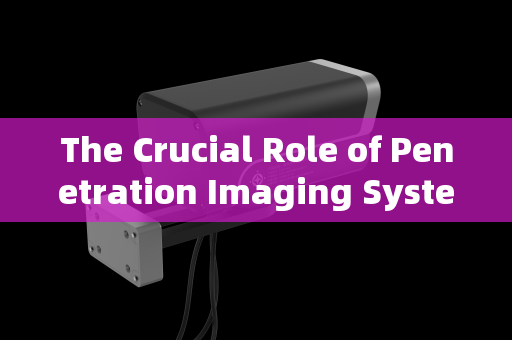
Penetration Imager Effect Images
The technical architecture of these systems—comprising a pulsed laser, a gated intensified camera (with Microchannel Plate (MCP) image intensifier, high-voltage and timing control modules), beam expanders, and imaging lenses—confers distinct advantages crucial for event security:
-
Penetration of Glazing and Overcoming Environmental Obscurants: This is the defining capability. The system can effectively "see through" vehicle windows, windscreens, glass幕墙, and specialized glazing (like tinted or laminated glass found on VIP limousines, aircraft portholes, or high-speed train windows) to identify occupants, objects, or suspicious configurations inside. Simultaneously, it suppresses backscatter from atmospheric particles, enabling it to maintain imaging clarity through smoke, fog, haze, rain, and snow—conditions common during all-weather security operations.
-
Long-Range, Covert Surveillance: Operating at significant stand-off distances, these systems allow for preliminary, unobtrusive screening of approaching vehicles well before they reach the primary checkpoint. This enables threat assessment and decision-making without alerting the vehicle's occupants, a critical factor in countering pre-planned hostile actions.
-
High Resolution in Low/Zero Light: The MCP intensifier provides immense optical gain (>10⁶), allowing the system to deliver detailed imagery in pitch darkness or extremely low-light conditions without the need for visible, glaring floodlights that could compromise a checkpoint's tactical position.
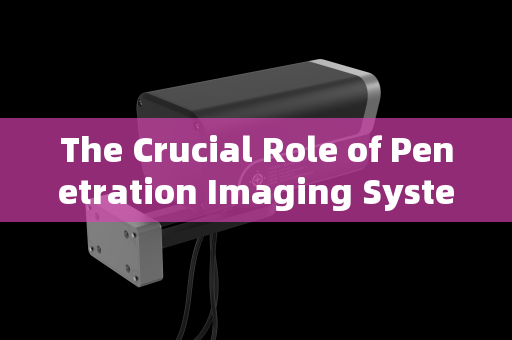
Penetration Imager Effect Images
-
Enhanced Situational Awareness and Intelligence Gathering: Beyond mere detection, the high-resolution, depth-resolved imaging provides actionable intelligence. Security teams can distinguish between benign clutter and potential threats (weapons, explosives, unauthorized persons) inside a vehicle with greater confidence, reducing false alarms and speeding up the screening process for legitimate traffic.
Application in Major Event Vehicle Security Protocols
During major events, vehicle-borne threats are a paramount concern. Penetration Imaging Systems are integrated into security cordons at multiple layers:
- Outer Perimeter Screening: Deployed at a distance from the venue, these systems perform initial scans on all traffic flowing towards controlled zones, identifying vehicles requiring secondary inspection.
- VIP Route and Access Point Security: Along motorcade routes and at dedicated access gates for dignitaries, the systems provide continuous surveillance, ensuring no threats are placed in stationary vehicles or that unauthorized individuals are not hidden within authorized transports.
- Contraband and Threat Interdiction: The ability to penetrate glazing is invaluable for detecting smuggled items, illegal stowaways, firearms, or IED components hidden within a vehicle's cabin, trunk, or behind panels, which may be missed by conventional X-ray scanners or physical searches.
- Crisis Response: In the event of a security incident, such as a suspect vehicle barricade or a hostile takeover, the system allows tactical teams to visually assess the interior situation without exposing themselves, planning a more informed and effective response.
Broader Context: A Multi-Role Security Asset
The utility of Penetration Imaging Systems extends beyond the immediate event perimeter, aligning with broader public safety, law enforcement, and homeland security missions. As highlighted, they are indispensable for:
- Emergency Response (Fire & Rescue): For seeing through smoke in urban or wildland firefighting and search-and-rescue operations.
- Military and Policing: In counter-terrorism operations, surveillance, evidence collection, border patrol, maritime interdiction, and anti-smuggling activities.
- Critical Infrastructure Protection: Safeguarding ports, airports, and government buildings.
In conclusion, for major events where the margin for error is zero, Penetration Imaging Systems play a transformative role in vehicle security. By delivering unparalleled visual access through barriers and in adverse conditions, they empower security forces with a proactive, intelligence-led screening capability. They move security checkpoints from a reactive, physical inspection model to a proactive, technological shield, significantly enhancing deterrence, early warning, and overall operational effectiveness in protecting some of the world's most high-profile gatherings. Their integration represents a cornerstone of modern, intelligent security and smart city initiatives, where technology is leveraged to create safer environments without compromising on efficiency or civil liberties.