Seeing Through the Veil: The Transformative Role of Penetration Imaging Systems in Community Patrol Vehicle Inspections**
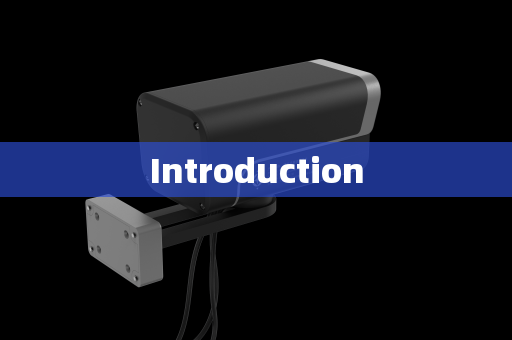
Penetration Imager Effect Images
In the demanding landscape of modern community policing and emergency response, visibility is synonymous with safety, efficiency, and operational superiority. Traditional patrol vehicle inspections, often reliant on flashlights, intuition, and direct visual checks, face significant limitations in low-light conditions, adverse weather, or when confronting concealed threats. The advent of Penetration Imaging Systems (PIS), leveraging advanced Laser Range-Gated Imaging (LRGI) technology, is revolutionizing this critical field. This article explores the pivotal role these sophisticated systems play in enhancing the capabilities of community patrol units during vehicle inspections, transforming routine checks into powerful, non-invasive investigative procedures.
Understanding the Penetration Imaging System
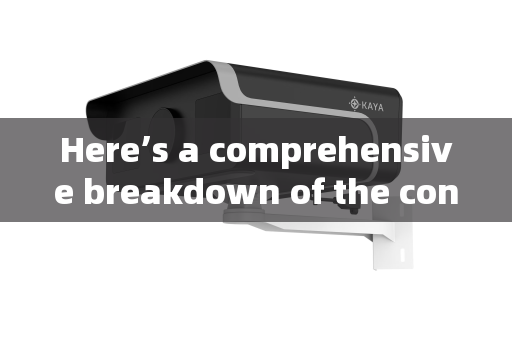
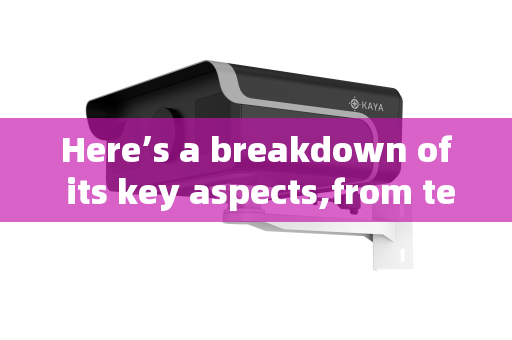
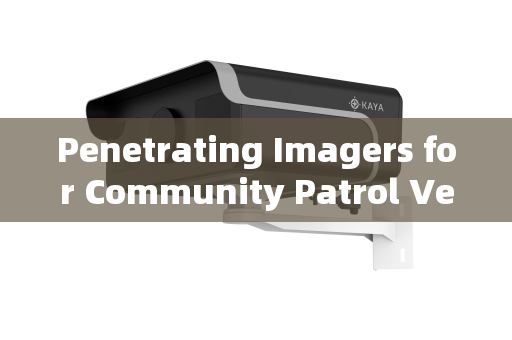
A Penetration Imaging System is not a conventional camera. It is a cutting-edge electro-optical system designed to "see" through visual obstructions that typically defeat standard imaging. Its core innovation lies in the precise synchronization of a high-repetition-rate pulsed laser and a gated, intensified camera. By emitting nanosecond laser pulses and controlling the camera’s ultra-fast shutter (with precision better than 10 picoseconds) to open only for the precise moment the light returns from a specific "slice" of space, the system effectively eliminates backscatter from obscurants like fog, smoke, rain, or glare. This time-slicing or range-gating process allows it to construct clear, high-contrast images of targets hidden behind various media.
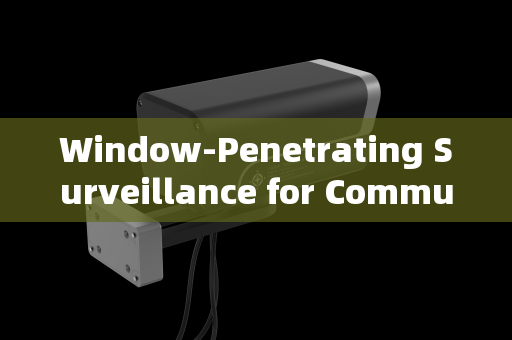
The key components include a pulsed laser illuminator, an imaging lens, and a gated intensified camera. This camera integrates a Microchannel Plate (MCP) image intensifier, capable of providing optical gain exceeding 10^6, alongside high-voltage, timing, and gating modules. This enables the system to perform under extreme no-light or low-light conditions and penetrate not only atmospheric obscurants but also vehicle windows, windshields, and specialized glass with remarkable clarity, without alerting occupants.
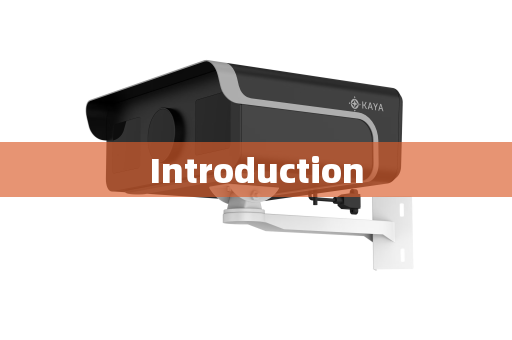
Penetration Imager Effect Images
The Critical Role in Patrol Vehicle Inspections
For community patrol officers, a suspicious vehicle can represent a multitude of potential threats: concealed weapons, illegal contraband, trafficked individuals, or an armed and barricaded suspect. The PIS acts as a force multiplier and a critical safety tool in these scenarios:
-
Enhanced Contraband and Threat Detection: Officers can conduct preliminary, non-invasive scans of a stationary vehicle from a safe standoff distance. The system’s ability to penetrate standard automotive glass allows for the identification of suspicious packages, weapons on seats or floors, or unusual modifications to the vehicle’s interior that may indicate hidden compartments—all without physical contact or alerting the occupants. This is invaluable for narcotics interdiction, anti-smuggling operations, and counter-terrorism checks at community checkpoints or during routine traffic stops that escalate.
-
Covert Personnel and Situation Assessment: In high-risk situations such as a vehicle-borne barricade or a suspected felony traffic stop, knowing the number and posture of occupants inside a vehicle is crucial. Through tinted windows or at night, a PIS can provide real-time intelligence on the number of individuals, their movements, and whether they are possibly armed or in distress. This information is critical for formulating a safe and effective tactical response, potentially de-escalating situations before they turn violent.
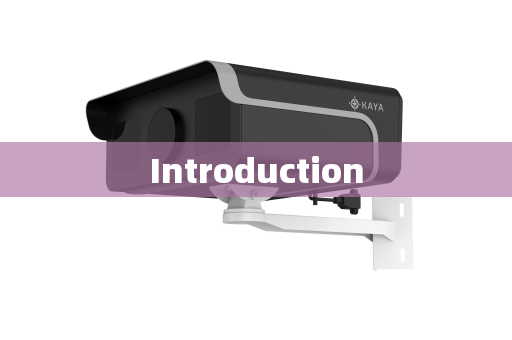
Penetration Imager Effect Images
-
Rapid Screening and Flow Maintenance: During security operations for community events or at strategic entry points, inspecting every vehicle in detail can cause significant delays. A PIS mounted on a patrol vehicle or at a stationary checkpoint enables rapid, non-intrusive screening. Vehicles can be scanned for obvious threats or anomalies as they approach, allowing officers to focus their manual inspections on only the highest-risk targets, thereby maintaining smoother traffic flow while ensuring security.
-
All-Weather, All-Light Operational Resilience: Community patrols operate 24/7, regardless of weather. The PIS’s inherent capability to overcome backscatter from fog, mist, rain, and snow, and to operate in pitch darkness, ensures that the quality of remote inspection does not degrade with environmental conditions. This guarantees a consistent and reliable capability for surveillance and inspection, day or night, in clear skies or in a storm.
-
Evidence Gathering and Investigative Support: The system can document the interior state of a vehicle prior to a search, providing visual evidence that can be critical for investigations and prosecutions. It can help establish probable cause for a search warrant by revealing visible contraband, or document the scene of a crime involving a vehicle before it is disturbed.
Advantages Over Traditional Methods
The integration of PIS into patrol vehicle inspections offers distinct advantages:
- Non-Intrusive & Covert: Inspections can be performed without contact, preserving scene integrity and officer safety.
- Increased Standoff Distance: Officers can assess threats from a safer position, outside the immediate danger zone.
- Objective Data: Provides clear visual data, reducing reliance on subjective judgment under stress.
- Proactive Threat Identification: Moves inspections from a reactive to a proactive stance, identifying hidden threats before they materialize.
Conclusion
The Penetration Imaging System is far more than a simple surveillance tool; it is a transformative technology for community safety and law enforcement. By granting patrol officers the ability to "see the unseen"—to conduct clear, detailed inspections of vehicle interiors through glass and in spite of darkness or foul weather—it fundamentally enhances situational awareness, operational safety, and investigative efficacy. As this technology becomes more integrated into the smart policing and smart city ecosystems, it promises to be a cornerstone of modern, proactive community patrol strategies, ensuring officers are better equipped to protect and serve with unprecedented visual intelligence. Its role is not just in inspection, but in prevention, de-escalation, and the unwavering pursuit of security in an increasingly complex world.