Introduction
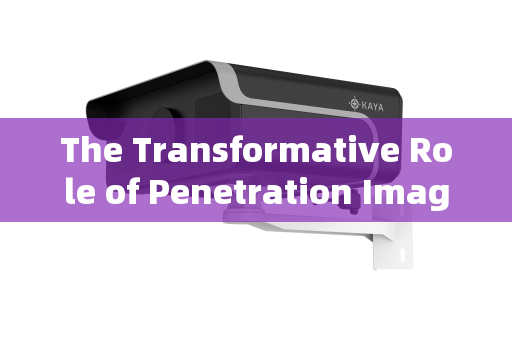
Penetration Imager Effect Images
In the realm of law enforcement and public safety, rural patrols face unique challenges during vehicle inspections, including low-light conditions, adverse weather, and the need for non-intrusive surveillance to detect concealed threats. Traditional inspection methods often fall short in such environments, compromising efficiency and officer safety. The penetration imaging system, leveraging advanced laser range-gated imaging technology, emerges as a game-changing solution. This article explores the critical role of penetration imaging systems in rural patrol vehicle inspections, detailing their functionality, applications, and benefits in enhancing operational effectiveness.
Understanding Penetration Imaging Systems
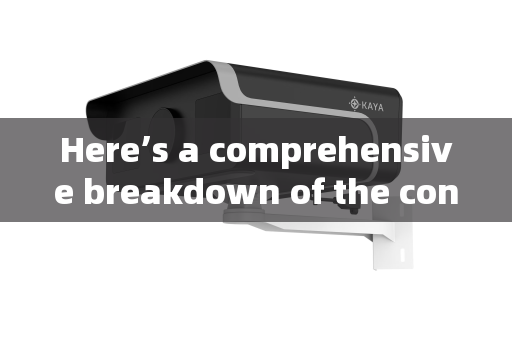
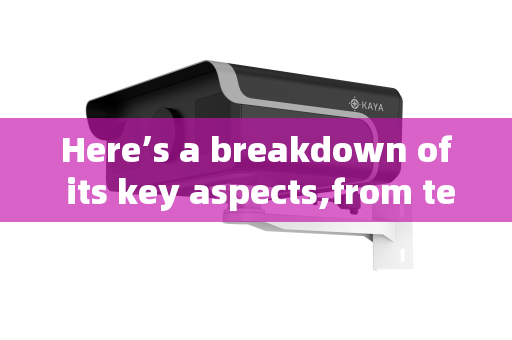
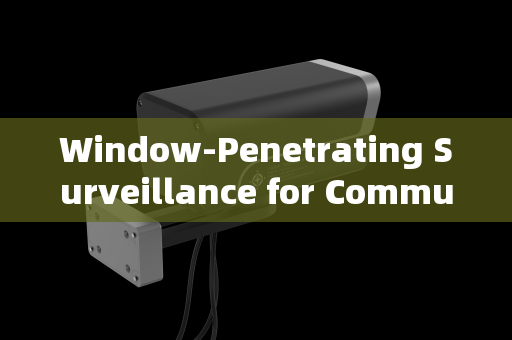
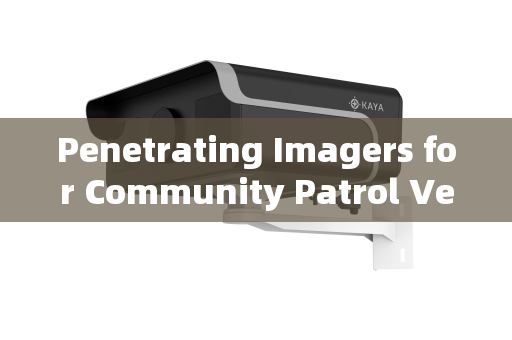
A penetration imaging system employs state-of-the-art laser range-gated imaging (or gated imaging technology), innovatively combining high-repetition-rate pulsed lasers with image-intensifier cameras. By precisely synchronizing the camera with nanosecond pulsed laser illumination, the system slices and stacks images based on time delays across different spatial distances, achieving high-contrast imaging. This technology excels in extreme conditions, offering long-range imaging capabilities, high distance resolution, strong anti-interference properties, and effective mitigation of backscatter. Key components include pulsed lasers, gated image-intensifier cameras (with microchannel plate intensifiers, high-voltage modules, timing modules, and gating modules), beam expanders, and imaging lenses. The system achieves optical gains exceeding 10^6, optical shutters faster than 3 nanoseconds, and timing synchronization precision better than 10 picoseconds, enabling accurate three-dimensional data acquisition.
Functionality and Capabilities
Penetration imaging systems are designed to operate in micro-light, no-light, and harsh environments, allowing for long-range, non-intrusive penetration through various media. This includes vehicle windows, glass facades, specialized glass (e.g., in high-speed rail or aircraft), as well as fire, smoke, rain, snow, fog, and haze. Additionally, they support underwater imaging, broadening their utility. In essence, these systems provide clear visual intelligence despite obstructions, making them ideal for reconnaissance and detection tasks.
Penetration Imager Effect Images
Role in Rural Patrol Vehicle Inspections
In rural areas, patrol vehicles often encounter scenarios where standard inspection tools are inadequate. Penetration imaging systems address these gaps through several key applications:
-
Enhanced Visibility in Adverse Conditions: Rural patrols frequently operate at night or in inclement weather such as fog, rain, or snow. The system’s ability to penetrate these media ensures continuous surveillance, allowing officers to inspect vehicles without being hindered by environmental factors. This reduces risks associated with poor visibility during stops.
-
Non-Intrusive Interior Inspection: By penetrating vehicle windows and glass, the system enables officers to scan interiors discreetly from a distance. This is crucial for detecting illegal activities like overloading, smuggling, or concealed weapons, without alerting suspects. It enhances officer safety by minimizing direct contact during preliminary assessments.
-
Detection of Concealed Threats: The high-resolution imaging can identify anomalies within vehicles, such as hidden compartments, contraband, or unauthorized passengers. This supports compliance checks for overloading and aids in anti-drug and anti-smuggling operations, common concerns in rural patrols.
Penetration Imager Effect Images
-
Rapid Response and Evidence Collection: In emergencies, such as accidents or criminal incidents, the system facilitates quick reconnaissance through smoke or debris, assisting in rescue efforts and forensic investigations. Its 3D imaging capabilities provide detailed spatial data for evidence documentation.
-
Operational Efficiency: By streamlining inspections, the system reduces time spent per vehicle, allowing patrols to cover more ground. This is particularly valuable in vast rural areas with limited resources, improving overall law enforcement productivity.
Industry-Specific Advantages
Aligned with emergency and police industry practices, penetration imaging systems offer tailored benefits:
- Safety and Risk Mitigation: Officers can maintain a safe distance while gathering intelligence, reducing exposure to potential hazards.
- Compliance and Enforcement: Supports adherence to regulations on vehicle safety, such as overload checks, through accurate, non-contact methods.
- Adaptability: Integrates with existing patrol workflows, complementing tools like body cameras or drones for comprehensive surveillance.
Broader Applications and Future Prospects
Beyond rural patrols, penetration imaging systems have wide-ranging uses in emergency response (e.g., urban and forest firefighting, mine rescues, water rescues), military and police operations (e.g., counter-terrorism, surveillance, border security), and coastal defense (e.g., fog-penetrating imaging for maritime missions). In smart city initiatives, they contribute to public safety and security infrastructure. Their versatility underscores a growing market demand, driven by advancements in imaging technology and the need for robust solutions in challenging environments.
Conclusion
Penetration imaging systems play a pivotal role in revolutionizing rural patrol vehicle inspections by overcoming traditional limitations of visibility and intrusion. Through advanced laser-based imaging, they empower law enforcement agencies to conduct safer, more efficient, and effective operations in diverse rural settings. As technology evolves, these systems are poised to become integral to modern policing, enhancing public safety and operational readiness worldwide. Embracing such innovations is key to addressing the dynamic challenges of rural law enforcement in the 21st century.