Beyond the Visible: The Transformative Role of Penetration Imaging Systems in Mobile Law Enforcement Vehicle Reconnaissance In the high-stakes arena of modern law enforcement and public safety, the ability to gather critical intelligence swiftly, accurately, and from a position of tactical advantage is paramount. Mobile law enforcement vehicles—ranging from standard patrol cars to specialized command and surveillance units—serve as the frontline platforms for this reconnaissance. The integration of advanced Penetration Imaging Systems** into these mobile assets represents a quantum leap in operational capability, fundamentally altering how officers perceive and interact with obscured or hazardous environments. This technology is not merely an upgrade to existing cameras; it is a force multiplier that unveils the previously unseen.
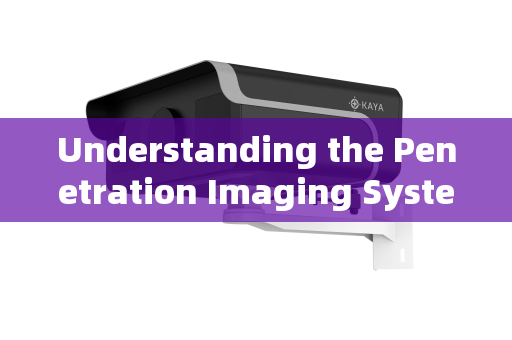
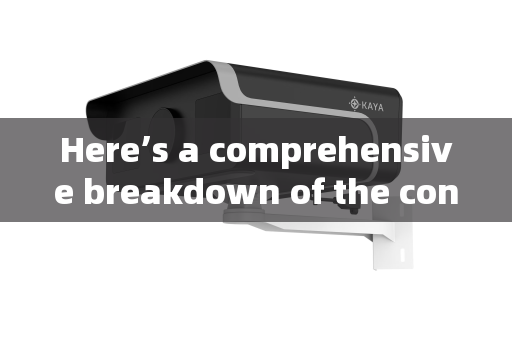
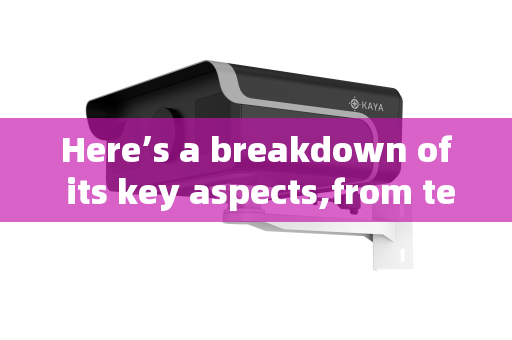
Penetration Imager Effect Images
At its core, a Penetration Imaging System is a sophisticated electro-optical device designed to acquire clear, high-contrast imagery under extreme conditions where conventional vision—human or electronic—fails. The technology hinges on advanced Laser Range-Gated Imaging (LRGI) or Gated Imaging. This innovative approach synergistically combines a high-repetition-rate pulsed laser with a gated intensified camera.
The process is precise and time-sliced: A powerful, ultrashort (nanosecond) pulse of laser light illuminates the scene. The gated camera, synchronized with nanosecond (and even picosecond) precision, acts as an ultrafast optical shutter. It opens only for the precise moment when the laser light reflected from a specific, predetermined "slice" of distance returns. By progressively delaying the camera’s gate relative to the laser pulse, the system can scan through different depth planes, effectively stacking these "slices" to build a complete image. This method provides exceptional range resolution and actively suppresses backscatter from obscurants like smoke, fog, dust, rain, or snow that lie between the sensor and the target. Crucially, it can also penetrate various types of glass (car windows, building facades, tempered glass, aircraft portholes) with minimal reflection, allowing for discreet, non-invasive observation.
Key components include a pulsed laser illuminator, a gated/intensified camera (featuring a Microchannel Plate (MCP) image intensifier for gains exceeding 10^6, high-voltage and timing control modules), beam expanders, and imaging lenses. This assembly enables long-range, high-contrast imaging in total darkness or adverse weather.
Pivotal Roles in Mobile Law Enforcement Vehicle Reconnaissance
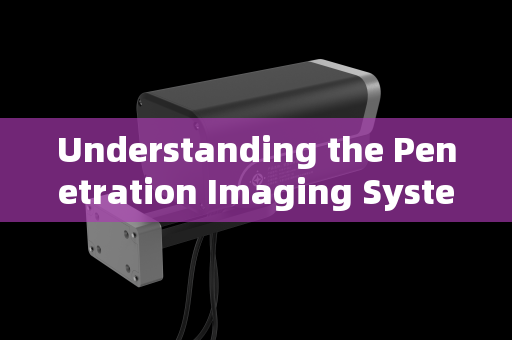
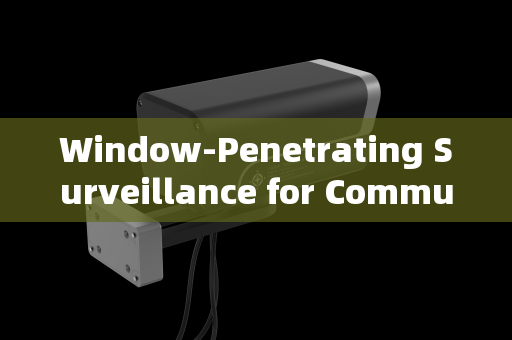
Penetration Imager Effect Images
When mounted on mobile platforms—be it roof turrets, telescopic masts, or discreet ports—penetration imaging systems transform the vehicle into a powerful, moving reconnaissance node. Their roles are multifaceted:
-
Covert Surveillance and Intelligence Gathering: The system’s ability to see through standard and tinted vehicle windows or building glass from a distance allows officers to conduct discreet surveillance. This is invaluable in counter-terrorism operations, narcotics investigations, and hostage situations, where assessing internal activity, occupant numbers, and potential threats without alerting suspects is critical for planning a safe intervention.
-
Enhanced Situational Awareness in Critical Incidents: During barricaded subject scenarios, active shooter events, or riot control, vehicles equipped with these systems can approach or perimeter a location safely. They can scan structures through windows to identify heat sources (via thermal fusion modes), locate individuals, and map interior layouts without requiring personnel to approach dangerously close. This "standoff capability" drastically improves officer safety and operational planning.
-
Search and Rescue (SAR) in Law Enforcement Contexts: While vital for fire services, SAR is also a law enforcement function in missing person cases or disasters. A patrol vehicle arriving first at a smoke-filled building or a fog-shrouded accident site can use the penetration imager to peer through obscurants, locate victims, and identify hazards, guiding follow-on rescue teams efficiently.
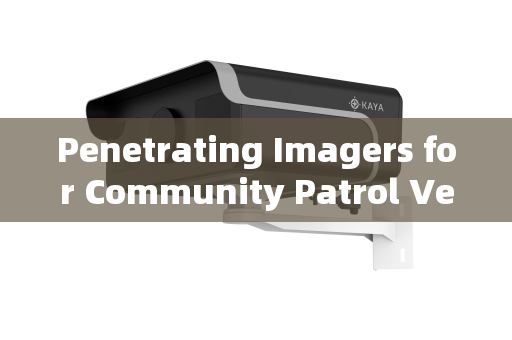
Penetration Imager Effect Images
-
Traffic Safety and Violation Enforcement: The technology can be applied to screen commercial vehicles and passenger cars for overloading (by assessing cargo through windows) or other violations from a patrol lane, enhancing highway safety and inspection efficiency.
-
Maritime and Border Patrol Applications: For agencies with coastal or border jurisdiction, vehicles equipped with these systems can monitor shorelines and ports. The long-range penetration of haze, fog, and glare allows for the identification of vessels, observation of activities on ship decks through portholes, and detection of illicit border crossings under poor visibility conditions, day or night.
-
Evidence Collection and Forensic Investigation: The ability to document scenes through windows or in poor visibility provides crucial visual evidence that would otherwise be unobtainable, strengthening case files for prosecution.
Integration into the Broader Ecosystem: Towards Smarter Policing
The data from a vehicle-mounted penetration imager doesn’t exist in isolation. It feeds into in-vehicle video systems (IVVS), real-time crime centers, and command-and-control networks. This integration is a cornerstone of Smart Policing, Smart City, and Comprehensive Security initiatives. It enables real-time analyst support, evidence logging, and coordinated multi-unit operations based on live, unambiguous visual intelligence.
Conclusion
The penetration imaging system is far more than a specialized camera; it is a revolutionary sensory tool that redefines the operational envelope of the mobile law enforcement vehicle. By granting officers the power to "see the unseen"—through darkness, weather, smoke, and glass—it empowers proactive decision-making, enhances officer and public safety, and elevates the efficacy of modern policing. As threats evolve and operational environments grow more complex, the role of such cutting-edge reconnaissance technology will only become more central, ensuring that law enforcement agencies can operate effectively, day or night, in any condition. It is, unequivocally, a key technology for 21st-century public safety and security.