Penetration Imaging Systems: Revolutionizing Dignitary Security through Covert Reconnaissance and Proactive Defense In the high-stakes domain of dignitary security, where threats are often concealed and operational environments are unpredictable, traditional surveillance methods frequently reach their limits. The emergence of advanced penetration imaging systems marks a paradigm shift, offering security details an unprecedented capability to "see the unseen." These systems are no longer just tools for situational awareness; they have evolved into critical components for proactive threat detection, covert reconnaissance, and ensuring comprehensive security supervision for high-profile protectees.
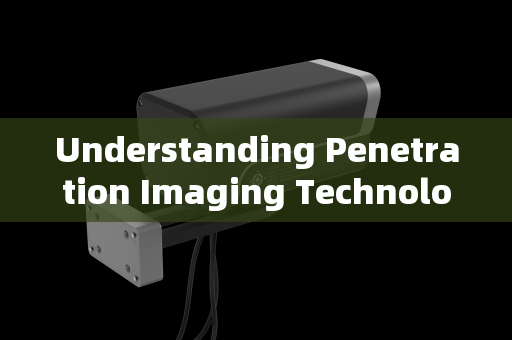
Penetration Imager Effect Images
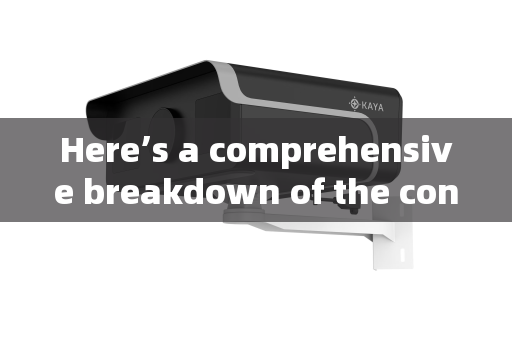
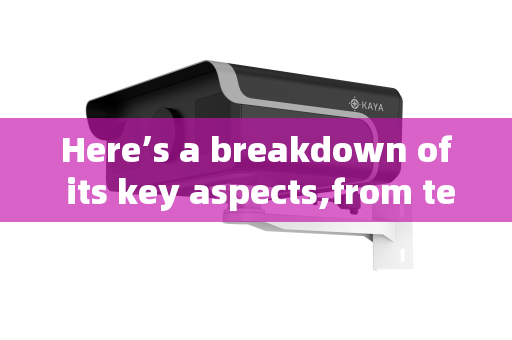
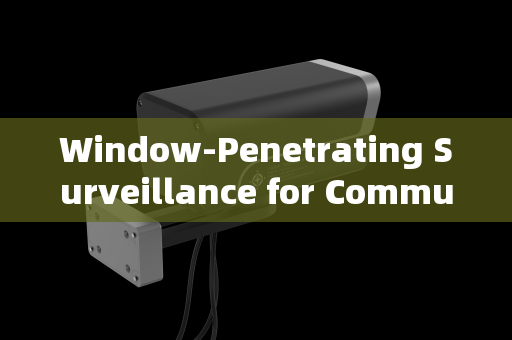
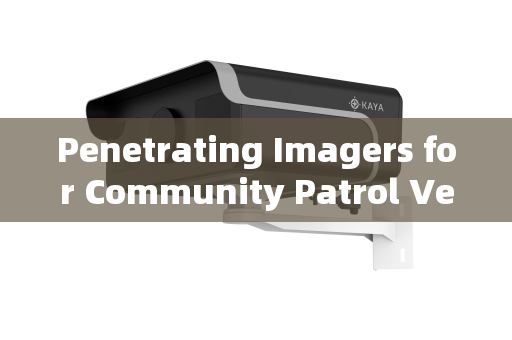
At its core, a penetration imaging system is a sophisticated electro-optical device designed to acquire clear visual intelligence through obstructions and in extreme conditions where conventional cameras fail. It leverages advanced Laser Range-Gated (LRG) imaging technology, often referred to as gated imaging. This innovative approach combines a high-repetition-rate pulsed laser with a gated intensifier camera. The system’s genius lies in its precise nanosecond-level synchronization between the laser pulse and the camera’s electronic shutter.
Operationally, the laser illuminates the scene with short, powerful pulses. The camera's shutter opens only for an extremely brief, precisely timed window to collect the reflected light from a specific "slice" of space corresponding to a desired distance. By progressively scanning through different time delays (and thus distances), the system builds a high-contrast, slice-by-slice image. This method effectively filters out backscatter from obscurants like smoke, fog, dust, or rain that plague standard imaging. Its key advantages include long operational range, high distance resolution, superior resistance to interference, and effective suppression of backscatter.
Critical Applications in Dignitary Security Supervision
The unique capabilities of penetration imaging systems make them indispensable across multiple phases of dignitary protection:
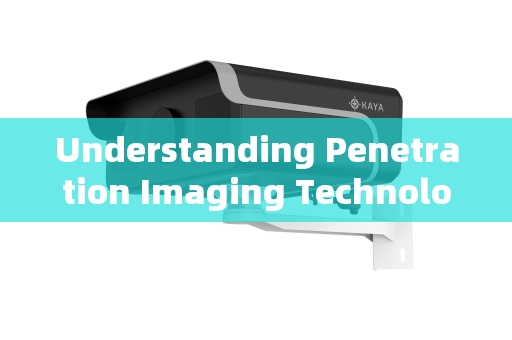
Penetration Imager Effect Images
Advanced Route Reconnaissance & Venue Hardening: Prior to a dignitary's movement, security teams must sanitize routes and secure venues. Penetration systems can conduct long-range, covert scans of buildings along motorcade routes or around event locations. They can see through standard and specialty glass, including tinted limousine windows, building curtain walls, and aircraft portholes, from a safe, stand-off distance. This allows teams to detect potential threats—individuals, weapons, or suspicious packages—concealed behind windows without alerting occupants, transforming motorcade security and perimeter checks from a reactive to a proactive endeavor.
Counter-Surveillance & Counter-Sniper Operations: A primary threat to dignitaries comes from directed attacks, often involving concealed shooters. These systems can peer into darkened rooms or shadowed vantage points from hundreds of meters away, identifying thermal and visual signatures that would otherwise be invisible. Their ability to penetrate light smoke, haze, and even foliage provides a critical advantage in detecting hidden adversaries during complex urban or rural movements, enabling counter-sniper teams to neutralize threats before they materialize.
Convoy Security and Mobile Protection: Integrated into lead security vehicles or airborne platforms, penetration imaging systems provide real-time forward-looking intelligence for motorcades. They can scan overpasses, roadside structures, and parked vehicles, seeing through windshields and side windows to assess occupant behavior and identify potential vehicle-borne threats (VBEDs). This capability is crucial for dynamic threat assessment during high-speed transit, offering precious additional seconds for evasive action or tactical response.
Emergency Response & Incident Management: In the event of an attack, fire, or other emergency (scenarios where dignitary security overlaps with urban firefighting and technical rescue), these systems become vital for rescue and containment. They can map the interior of a smoke-filled or obscured structure—such as a compromised safe room or a building under attack—guiding tactical entry teams (SWAT, HRT) by locating hostages, protectees, and hostiles through visual barriers. This directly enhances operational safety and mission success in chaotic, low-visibility environments.
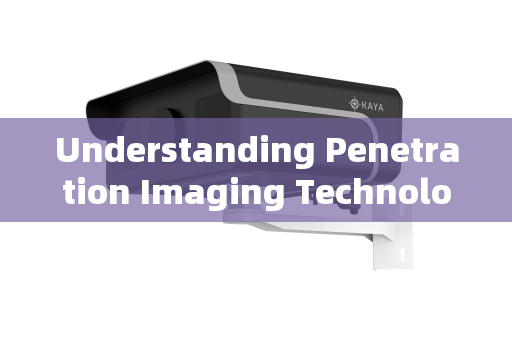
Penetration Imager Effect Images
Maritime & Border Security for Dignitary Visits: For protectees visiting coastal areas, arriving via ship, or attending events near waterways, the maritime domain presents unique risks. Penetration imaging systems equipped for long-range haze-penetration and glare suppression can monitor approaching vessels, piers, and coastal installations. They can detect small, fast-moving watercraft or swimmers attempting covert approaches in darkness or poor weather, ensuring the integrity of the maritime security perimeter.
Technical Backbone: Enabling Precision and Reliability
The system's performance hinges on its core components: a pulsed laser illuminator, a beam expander, imaging lenses, and crucially, the gated intensifier camera. This camera incorporates a Microchannel Plate (MCP) image intensifier, a high-voltage power supply, and precision timing electronics. It delivers an optical gain exceeding 10^6, an optical shutter speed faster than 3 nanoseconds, and timing synchronization with sub-10-picosecond precision. This allows not only for seeing through barriers but also for obtaining high-accuracy three-dimensional data of the target scene, enabling better assessment and decision-making.
Conclusion: The Indispensable Force Multiplier
In conclusion, penetration imaging systems play a transformative role in modern dignitary security supervision. They move protection details beyond reactive perimeter defense into the realm of covert, intelligence-led, and proactive security. By granting the ability to conduct undetected reconnaissance, validate the integrity of secured spaces, and maintain situational awareness through virtually any visual barrier or adverse condition, these systems significantly compress the adversary's timeline and expand the protector's decision space. As threats evolve in sophistication and concealment, penetration imaging technology stands as a vital force multiplier, ensuring that those charged with protecting our leaders are equipped not just to respond, but to anticipate and dominate the security landscape.