Introduction
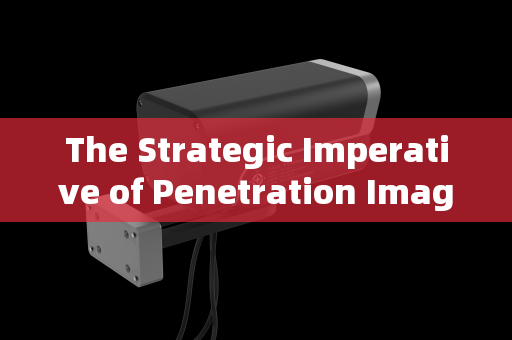
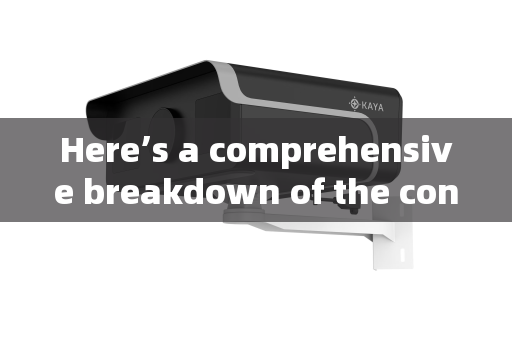
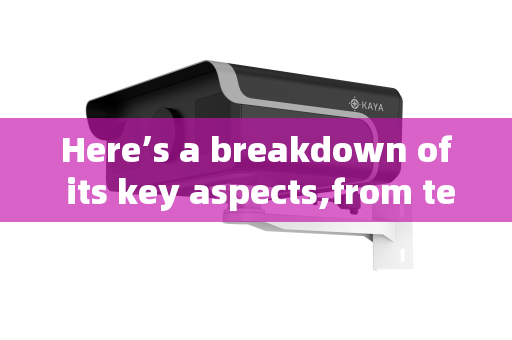
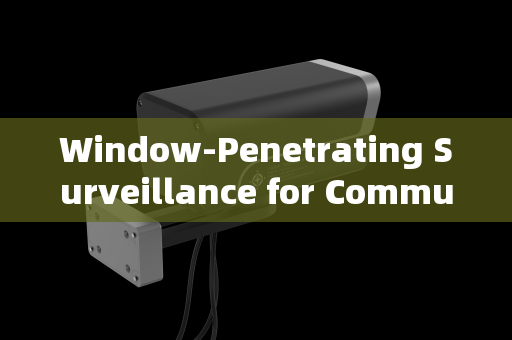
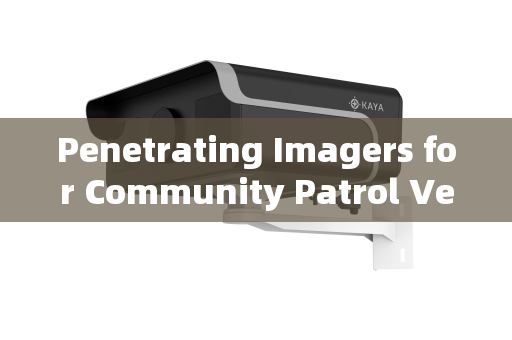
Penetration Imager Effect Images
In the high-stakes domain of VIP protection, security details operate in a complex, fluid, and often unpredictable threat landscape. Traditional security measures, while foundational, are increasingly challenged by sophisticated adversaries, dense urban environments, and the critical need for proactive threat detection. The integration of advanced technological solutions has become non-negotiable for maintaining a decisive tactical advantage. Among these, the penetration imaging system emerges as a transformative tool, fundamentally enhancing situational awareness and operational capabilities in VIP security supervision.
Understanding Penetration Imaging Technology
A penetration imaging system is not merely a camera; it is a sophisticated active imaging platform designed to see through visual obstructions and acquire critical intelligence under extreme conditions. At its core, it utilizes Laser Range-Gated (LRG) Imaging or gated viewing technology. This innovative approach synergistically combines a high-repetition-rate pulsed laser with a gated intensifier camera.
The system operates on a precise time-slicing principle. A short, powerful pulse of laser light illuminates the scene. The gated camera, synchronized with nanosecond (or even picosecond) precision, opens its "shutter" only for the precise moment when light reflected from a specific, predetermined distance slice returns. By systematically delaying this gate time, the system electronically "slices" and scans through different range segments, stacking them to construct a clear, high-contrast image of the target zone. This method offers several revolutionary advantages:
- Extended Imaging Range & High Resolution: Effective over long distances with precise depth discrimination.
- Superior Contrast & Backscatter Suppression: By rejecting light from particulates (fog, smoke, rain) or reflective surfaces (glass) closer than the target slice, it virtually eliminates backscatter, a major limitation of conventional imaging in adverse weather or through windows.
- Penetration Capability: It can covertly "see through" various glazing media—car windows, building glass, train panes, aircraft portholes—without alerting subjects inside. It also maintains performance through obscurants like fire, smoke, and haze.
- Operation in Total Darkness: As an active system, it provides its own illumination, rendering external light sources unnecessary.
The system's hardware—comprising a pulsed laser, a gated intensifier camera with a Microchannel Plate (MCP) for gains exceeding 10^6, a high-speed gate (as fast as 3ns), precision timing modules, and optics—enables this high-precision, three-dimensional information gathering.
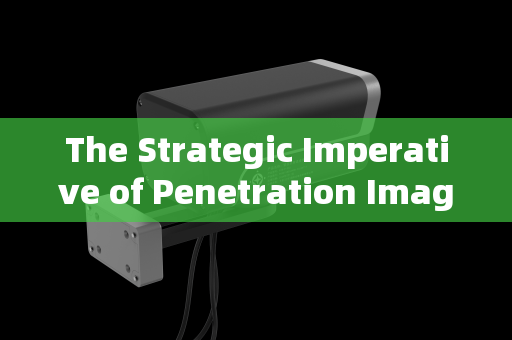
Penetration Imager Effect Images
Pivotal Role in VIP Security Supervision
For VIP security teams, the penetration imaging system transitions security from a reactive to a profoundly proactive and intelligence-led posture.
-
Advanced Route Reconnaissance & Motorcade Security: Prior to a VIP movement, covert teams can use vehicle-mounted or man-portable systems to conduct long-range scans of the planned route. They can discreetly inspect parked vehicles, buildings overlooking the route, and potential ambush points, identifying threats (e.g., occupants, weapons, devices) through tinted windows or glass facades without ever approaching the location. During the motorcade, it provides the lead vehicle with the ability to assess traffic situations, check vehicles at checkpoints, or scan crowds from a safe stand-off distance, even in darkness or poor weather.
-
Venue & Safe House Security Sweeps: Before a VIP enters a venue, hotel, or temporary residence, security personnel can conduct thorough external and internal perimeter scans. The system can detect hidden individuals in adjacent rooms (through certain wall/glass structures in specific configurations), scan for electronic devices or anomalies behind false walls or ceilings, and inspect exterior approaches for concealed threats, ensuring the inner security perimeter is sterile.
-
Counter-Surveillance & Intelligence Gathering: A critical aspect of VIP protection is detecting hostile surveillance. Penetration imaging allows teams to discreetly monitor suspected observation posts, vehicles parked for extended periods, or individuals at a distance, day or night, potentially confirming hostile intent by identifying equipment or activities inside vehicles or buildings.
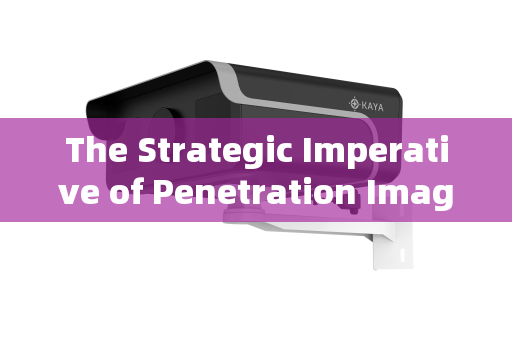
Penetration Imager Effect Images
-
Overcoming Environmental & Tactical Challenges: VIP movements cannot always occur in ideal conditions. Whether it's heavy fog at an airport tarmac, smoke from an incident, or the pitch-black conditions of an early morning or late-night departure, the system ensures the security team's visual capability remains uncompromised, maintaining a protective bubble of awareness.
-
Waterborne & Coastal Security: For VIPs traveling or residing near water, the system's capability for surface and sub-surface imaging (in shallower waters) adds a layer of security against aquatic approaches, helping to secure marinas, waterfront properties, and vessels.
Broader Context and Synergy
The value of penetration imaging extends beyond VIP details into the broader Emergency Response, Law Enforcement, and Military ecosystems that often support or intersect with high-profile protection details. Its use in urban and wildland firefighting for victim location, in police operations for tactical entry and barricaded subject resolution, and in border security for long-range surveillance in haze or fog, creates a pool of trained operators and proven operational protocols that directly benefit VIP security units. Furthermore, its integration into Smart City and Critical Infrastructure Protection networks contributes to the safer environments in which VIPs operate.
Conclusion
In the relentless pursuit of security for protected persons, the penetration imaging system is a force multiplier. It grants VIP security supervisors the coveted ability to "see the unseen" – to gather vital intelligence covertly, penetrate visual barriers, and operate effectively in environments that would blind traditional optics. By delivering unmatched situational awareness in darkness, through obscurants, and across transparent barriers, it fills a critical gap in the protective security continuum. Its role is not to replace human judgment or foundational security practices, but to empower them with unparalleled visual intelligence, enabling more informed decision-making, proactive threat mitigation, and ultimately, the enhanced safety of the principal. As threats evolve, the adoption and mastery of such cutting-edge imaging technology become a strategic imperative for any elite security detail tasked with the supreme responsibility of VIP protection.