Border security operations face a perpetual and evolving challenge: detecting and intercepting illicit smuggling activities, which increasingly exploit darkness, adverse weather, and vehicular/travel concealment. Traditional surveillance methods—visible-light cameras, thermal imagers, radar—often fall short when targets are hidden behind obscurants like glass, fog, or smoke. This capability gap is being decisively bridged by advanced Penetration Imaging Systems, a groundbreaking technological solution redefining reconnaissance in border and coastal environments.
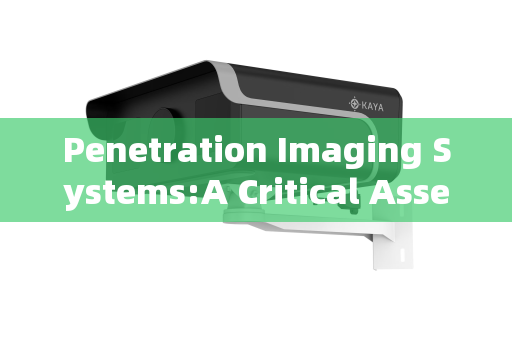
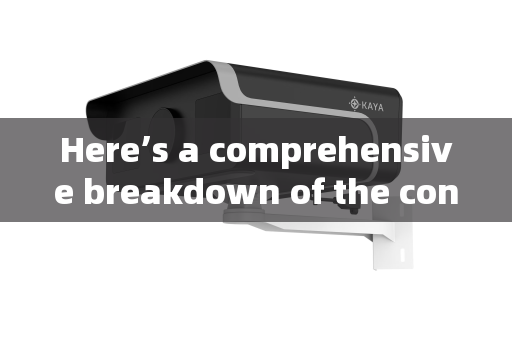
Penetration Imager Effect Images
Understanding the Technology: How Penetration Imaging Works
At its core, a Penetration Imaging System is not a conventional camera. It employs Laser Range-Gated Imaging (LRGI) or gated imaging technology. This sophisticated method integrates a high-repetition-rate pulsed laser with a gated intensifier camera. The system operates by emitting short, powerful pulses of laser light. The camera’s sensor, synchronized with nanosecond precision to these pulses, opens its “gate” only for the precise moment when light reflected from a specific distance slice returns. By sequentially scanning through different time delays (distance slices), the system constructs a clear, high-contrast image of the target zone while effectively rejecting backscattered light from intervening media like smoke, fog, rain, or mist.
Key technical components enable this performance:
- Pulsed Laser Illuminator: Provides the intense, controlled light source.
- Gated Intensifier Camera: Incorporates a Microchannel Plate (MCP) image intensifier, high-voltage modules, and precise timing circuitry. This allows for optical gains exceeding 10^6, ultra-fast optical gating (<3ns), and timing synchronization better than 10 picoseconds.
- Optics: Includes beam expanders and imaging lenses to shape the laser output and collect returning light.
This architecture grants the system exceptional capabilities: long-range imaging, high distance resolution, superior resistance to interference, and the unique ability to "see through" various obscurants and—crucially—through glass surfaces like car windows, train glass, aircraft portholes, and building facades.
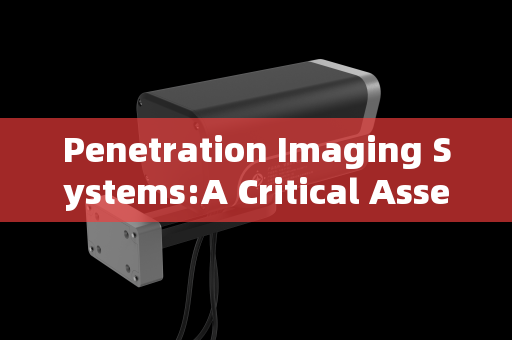
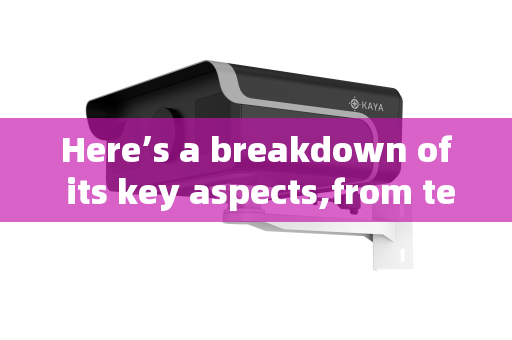
Penetration Imager Effect Images
The Operational Imperative in Border and Coastal Security
In the context of smuggling interdiction—be it narcotics, weapons, contraband, or human trafficking—penetration imaging systems provide a decisive, covert advantage across multiple operational phases:
-
Long-Range, All-Weather Reconnaissance and Surveillance: Smugglers often operate under cover of night, fog, haze, or precipitation. Traditional electro-optical systems suffer severely in these conditions. Penetration imaging systems excel here, performing long-range fog-penetration imaging and glare suppression, ensuring continuous surveillance capability for coastal approaches, remote border stretches, and harbor ingress/egress points, regardless of environmental degradation.
-
Non-Intrusive, Through-Glass Inspection and Vehicle Screening: A paramount application is the covert inspection of vehicles and vessels. From a standoff distance, operators can passively scan passenger cars, cargo trucks, railway carriages, or small boats. The system can penetrate windscreens, side windows, and certain cargo container windows to identify concealed individuals, packages, or anomalous interior configurations without alerting the occupants. This enables target pre-screening at checkpoints, during slow-roll operations, or while a vehicle is in transit, allowing security forces to prioritize high-risk targets for manual inspection.
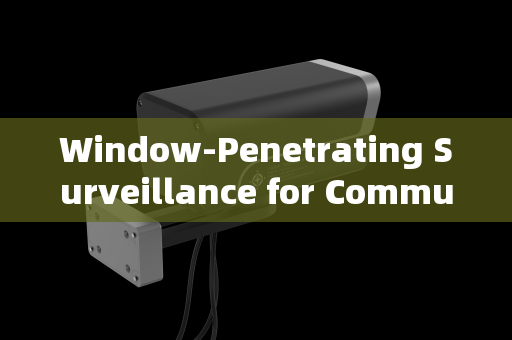
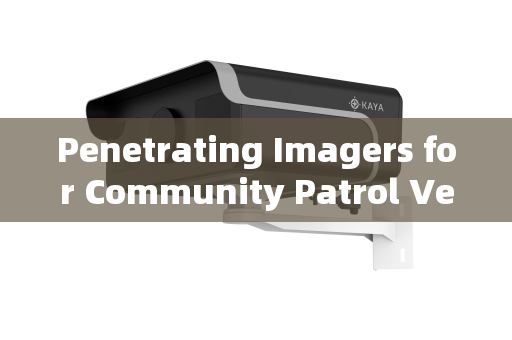
Penetration Imager Effect Images
-
Enhanced Maritime Domain Awareness: For coastal and riverine borders, these systems are invaluable. They can cut through sea spray, haze, and darkness to monitor vessel activity, identify suspicious rendezvous, detect overboard drops, or verify the contents of a vessel’s cabin or bridge from a patrol craft or shore-based station, supporting counter-narcotics and anti-trafficking maritime operations.
-
Evidence Gathering and Tactical Planning: The high-resolution, detailed imagery provided can serve as critical forensic evidence. Furthermore, before a tactical interdiction or raid on a suspected stash house or transport node, the system can be used to conduct discreet reconnaissance, mapping interior layouts and confirming the presence and location of persons or objects through windows, providing a vital intelligence layer for mission planning.
Integration into Broader Security Architectures
The utility of penetration imaging extends beyond standalone use. It is a force multiplier within integrated border security systems, complementing radar, thermal cameras, and ground sensors. Data fusion from these sources creates a comprehensive common operational picture. Furthermore, its applications in law enforcement scenarios—counter-terrorism, search and rescue in smoke-filled environments (relevant for border post fires or accidents), and securing critical infrastructure—make it a versatile tool for border patrol and affiliated emergency response units.
Conclusion
The role of the Penetration Imaging System in border smuggling reconnaissance is transformative. It moves surveillance from merely observing the exterior to diagnostically perceiving the concealed interior. By defeating the classic smuggl’s advantages of concealment, darkness, and bad weather, this technology empowers border security agencies to operate with greater proactivity, precision, and safety. As smuggling tactics grow more sophisticated, the ability to passively "see the unseen" provided by laser range-gated penetration imaging is no longer just an advantage; it is rapidly becoming an operational necessity for robust, 21st-century border and coastal defense.