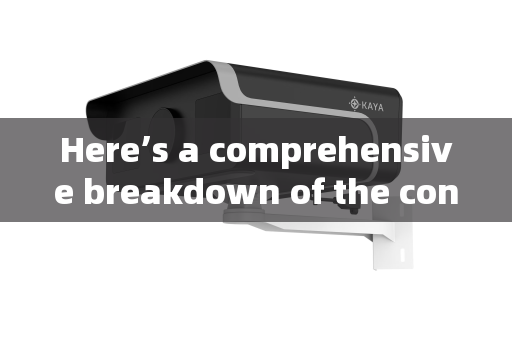
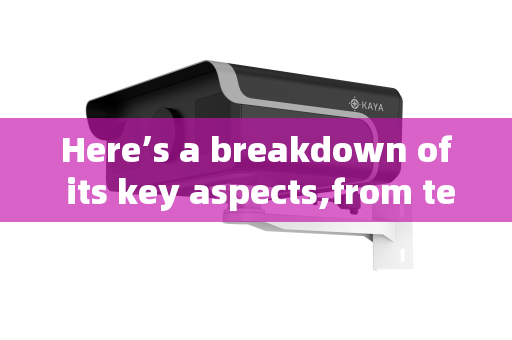
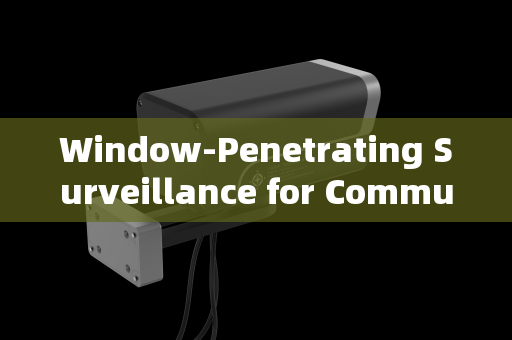
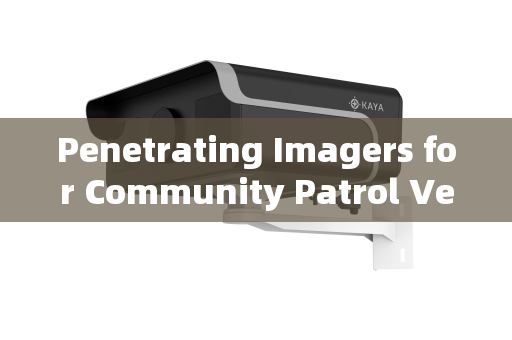
Introduction Border security remains a paramount challenge for nations worldwide, with the illegal crossing of borders posing significant threats to national security, public safety, and socio-economic stability. Interdicting such clandestine activities requires advanced technological solutions capable of overcoming the cover of darkness, adverse weather, and deliberate concealment. Among these solutions, Penetration Imaging Systems (PIS), leveraging cutting-edge Laser Range-Gated Imaging (LRGI) technology, have emerged as a transformative tool for border security agencies. This article explores the pivotal role these systems play in enhancing the detection, identification, and interception of illegal immigrants attempting unauthorized border crossings.
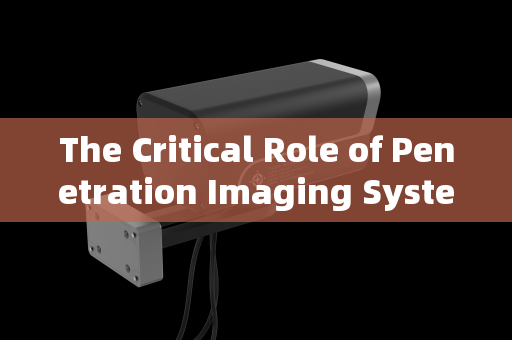
Penetration Imager Effect Images
Understanding Penetration Imaging Systems: Technology and Capabilities A Penetration Imaging System is a sophisticated electro-optical system designed for extreme-condition imaging. Its core innovation lies in the synergistic integration of a high-repetition-rate pulsed laser and a gated intensifier camera. The system operates by emitting short, powerful pulses of laser light (nanosecond duration) and precisely synchronizing the camera's ultra-fast optical shutter (with gating times under 3ns) to open only when the laser light reflected from a specific "slice" of space returns. By systematically adjusting this time delay, the system performs a "slice-stacking" scan of the scene, building a high-contrast image of targets at a controlled distance.
This range-gating principle is key to its exceptional performance:
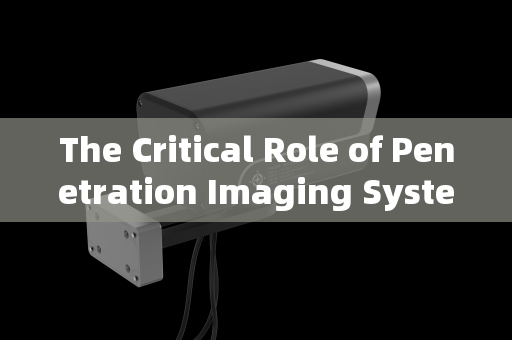
Penetration Imager Effect Images
- Suppression of Backscatter: It effectively filters out light scattered by atmospheric particles (fog, rain, snow, haze, smoke) or reflective surfaces close to the sensor, which normally blind conventional cameras and thermal imagers.
- Long-Range, High-Resolution Imaging: It enables clear identification of objects at distances far beyond the capabilities of standard low-light cameras.
- "See-Through" Capability: A critical feature for border security is its ability to penetrate various transparent and semi-transparent barriers with minimal reflection loss. This includes vehicle windows (cars, trucks, trains, aircraft), architectural glass, and certain specialized materials, allowing operators to see concealed occupants or contraband inside.
- All-Weather, Day/Night Operation: It functions effectively in total darkness, twilight, and through visual obscurants, providing 24/7 capability.
The system's hardware typically comprises a pulsed laser, a beam expander, an imaging lens, and the core Gated Intensifier Camera. This camera incorporates a Microchannel Plate (MCP) image intensifier, high-voltage modules, and precision timing circuitry, achieving optical gains exceeding 10^6 and synchronization precision better than 10 picoseconds, enabling high-fidelity 3D data acquisition of targets.
Application in Border and Coastal Security Contexts The operational environment for border protection is notoriously challenging: vast, rugged terrains, long coastlines, darkness, and frequent periods of fog, rain, or snow. Traditional surveillance—relying on human patrols, standard CCTV, or thermal imaging—often falls short when targets are concealed within vehicles or vessels, or when weather conditions degrade visibility.
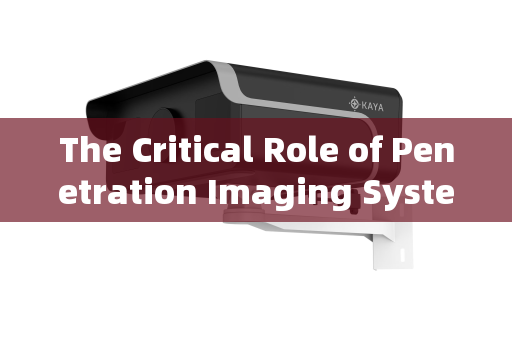
Penetration Imager Effect Images
Penetration Imaging Systems address these gaps directly:
- Vehicle and Vessel Interdiction: At border checkpoints or along known crossing routes, PIS can be deployed to covertly scan approaching or stationary vehicles. Its ability to penetrate windows allows officers to count occupants, identify suspicious behavior, or spot individuals hiding in trunks or cargo areas before a manual inspection is initiated, enhancing officer safety and interception success rates. Similarly, for coastal borders, it can scan ship cabins and portholes from a distance.
- Long-Range, Covert Surveillance: Mounted on fixed towers, mobile units, or aerial platforms, PIS provides long-range surveillance of remote border sectors. Its ability to "see through" light foliage, mist, and precipitation allows for the detection of moving groups or individuals attempting to cross in harsh conditions where they believe they are invisible.
- Overcoming Concealment: Smugglers often use vehicles with tinted windows or modified compartments. The penetration capability of PIS reduces the effectiveness of such concealment, providing a non-invasive inspection tool that maintains the element of surprise for law enforcement.
- Maritime Domain Awareness: In coastal and maritime border security, the system’s long-range fog-penetration and glare suppression capabilities are invaluable. They enable continuous monitoring of vessel traffic, identification of suspicious nighttime activities (e.g., transshipment of persons from boats), and safe navigation support for interdiction crafts in poor weather, ensuring maritime interception operations can proceed regardless of conditions.
Operational Impact and Integration The deployment of Penetration Imaging Systems transforms border interception from a reactive to a more proactive and intelligence-driven endeavor. By delivering clear, actionable visual intelligence in real-time and under conditions that would otherwise grant cover to illegal crossers, these systems:
- Increase Interdiction Probability: Early detection leads to more timely and effective deployment of interception assets.
- Enhance Officer Safety: Providing advanced knowledge of potential threats (e.g., number of persons, visible weapons) inside a vehicle before contact.
- Provide Forensic Evidence: High-resolution imagery can serve as critical evidence for prosecution.
- Act as a Force Multiplier: They extend the effective range and persistence of surveillance teams, allowing fewer resources to monitor larger areas.
Integration with broader Command, Control, Communications, Computers, Intelligence, Surveillance, and Reconnaissance (C4ISR) frameworks, smart border initiatives, and AI-powered analytics (e.g., automated person/vehicle detection) further amplifies their value, creating a seamless, layered security apparatus.
Conclusion In the relentless and evolving challenge of securing national borders against illegal immigration, technology is a decisive differentiator. Penetration Imaging Systems, with their unique ability to unveil the hidden and pierce through environmental and man-made obscurants, represent a significant leap forward in surveillance and interdiction capabilities. By enabling reliable, long-range, and covert observation through darkness, weather, and vehicular concealment, they empower border security forces to detect, deter, and intercept illegal border crossings with unprecedented effectiveness. As threats evolve, the continued adoption and integration of such advanced imaging technologies will be crucial in maintaining robust, resilient, and intelligent border security infrastructures worldwide.