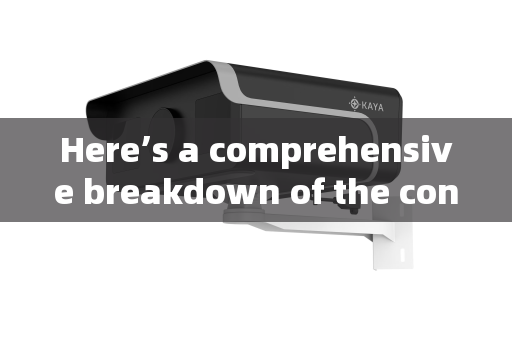
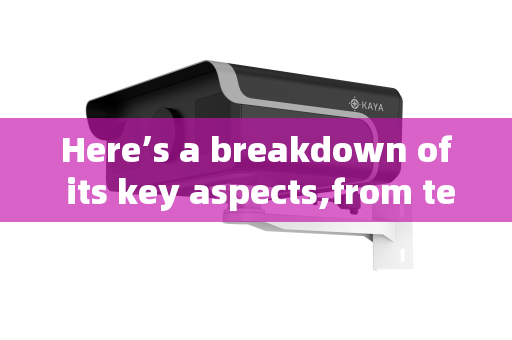
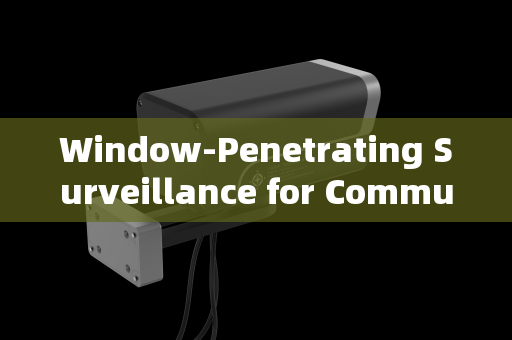
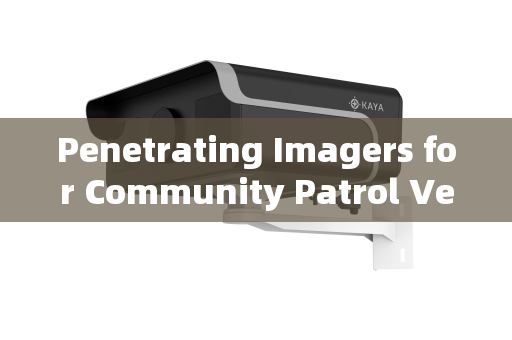
[Image 1: A rural patrol vehicle equipped with a mobile penetration imaging system scanning a car on a remote road]
Penetration Imager Effect Images
In rural law enforcement, vehicle inspections present distinct challenges due to expansive territories, limited personnel, and evolving security threats. The penetration imaging system has emerged as a transformative tool, playing a pivotal role in enhancing the efficacy of rural patrol vehicle inspections. These systems enable non-invasive screening, allowing officers to detect concealed items quickly and accurately. As rural areas often serve as transit points for illicit activities, the integration of penetration imaging technology addresses gaps in traditional inspection methods. This article delves into the multifaceted role that penetration imaging systems play in rural patrol vehicle inspections, examining their operational mechanisms, applications, and benefits for emergency and police services.
How Penetration Imaging Systems Function in Patrol Contexts
[Image 2: A detailed diagram showing the technology of a penetration imaging system, with waves penetrating vehicle materials to reveal hidden objects]
Penetration Imager Effect Images
Penetration imaging systems, utilizing technologies such as X-ray backscatter or millimeter-wave radiation, are designed to provide detailed internal views of vehicles without physical intrusion. In rural patrol vehicle inspections, these systems emit controlled radiation that penetrates exteriors, creating real-time images of contents, including hidden compartments, weapons, or contraband. This capability is crucial for law enforcement agencies operating in remote regions, where manual searches are time-consuming and risky. By deploying penetration imaging, officers can conduct rapid assessments during routine stops or checkpoint operations, ensuring thorough inspections while minimizing delays. The system’s ability to differentiate between organic and inorganic materials further enhances threat detection, making it an indispensable asset for rural patrols facing diverse security scenarios.
Applications of Penetration Imaging in Rural Patrol Vehicle Inspections
[Image 3: Officers analyzing penetration imaging results on a dashboard screen during a rural vehicle inspection]
Penetration Imager Effect Images
In rural patrol vehicle inspections, penetration imaging systems are applied across various scenarios to bolster security and efficiency. Primarily, they aid in detecting smuggled goods, such as narcotics, firearms, or illegal wildlife products, which are often concealed in vehicles traversing isolated roads. For instance, during highway patrols in rural jurisdictions, penetration imaging allows for swift scans of trucks and cars, identifying anomalies that warrant further investigation. Additionally, these systems enhance officer safety by enabling inspections from a secure distance, reducing exposure to potential hazards. In emergency responses, such as after natural disasters in rural areas, penetration imaging can quickly screen vehicles for hazardous materials or survivors, streamlining rescue efforts. The role of penetration imaging in these inspections extends beyond mere detection; it supports proactive policing by deterring criminal activities through visible, advanced technology.
Advantages and Future Prospects for Rural Law Enforcement
[Image 4: A comparative infographic highlighting the speed, accuracy, and safety benefits of penetration imaging over traditional inspection methods in rural settings]
The adoption of penetration imaging systems in rural patrol vehicle inspections offers significant advantages, aligning with professional emergency and police practices. Firstly, it improves operational efficiency by reducing inspection times—a critical factor in vast rural areas where patrols cover long distances. Studies indicate that penetration imaging can cut vehicle screening durations by up to 70%, allowing agencies to allocate resources more effectively. Secondly, the high accuracy of these systems minimizes false positives, ensuring that interventions are targeted and respectful of civil liberties. From a cost-benefit perspective, while initial investments in penetration imaging technology may be substantial, long-term savings in manpower and enhanced threat mitigation justify its use. Looking ahead, advancements in artificial intelligence integration promise to further refine penetration imaging for rural patrols, enabling automated threat recognition and data sharing across agencies. As rural security landscapes evolve, the role of penetration imaging systems will likely expand, fostering safer communities through innovative, non-invasive inspection methodologies.
In summary, penetration imaging systems play an indispensable role in rural patrol vehicle inspections by providing advanced, reliable screening solutions that address the unique challenges of remote law enforcement. From detecting hidden threats to improving officer safety and operational speed, these systems are reshaping how patrols conduct inspections in rural settings. As technology progresses, the integration of penetration imaging will continue to enhance the effectiveness of rural patrol vehicle inspections, underscoring its vital contribution to public safety and professional policing standards.