Current High-Risk Stop Challenges
Traditional high-risk vehicle stops present significant officer safety risks, with officers approaching vehicles containing unknown threats, weapons, or occupants. Current tactics rely on verbal commands and visual observation through glass, offering limited situational awareness.

Penetration Imager Effect Images
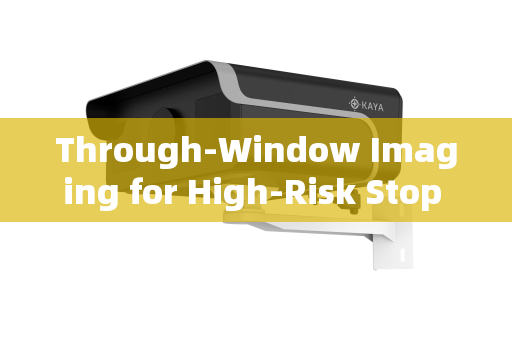
Penetration Imager Effect Images
Through-Window Imaging Technologies
Radio Frequency (RF) Imaging Systems
- Technology: Uses millimeter-wave or terahertz frequencies to penetrate non-conductive materials (glass, clothing) while reflecting off concealed objects
- Capabilities: Can detect metallic/non-metallic weapons, identify occupant positioning, and potentially detect irregular densities
- Range: Typically effective at 25-50 meters, compatible with standoff distances
Advanced Radar-Based Systems
- Micro-Doppler radar: Can detect subtle movements (breathing, weapon handling) through glass
- Through-wall radar adaptations: Modified for vehicle applications
- Limitations: May have reduced resolution compared to RF imaging
Multi-Spectral Systems
- Combined thermal/visual/RF sensors
- Thermal can detect occupant count and positioning through glass
- Enhanced low-light capabilities
Operational Benefits
Enhanced Officer Safety
- Threat identification before approach (weapons, suspicious movements)
- Verification of occupant compliance with commands
- Identification of potential barricaded positions within vehicle
Improved Tactical Decision-Making
- Accurate occupant count and positioning
- Detection of hidden compartments or modifications
- Assessment of potential ambush setups
- Better informed use-of-force decisions
De-escalation Potential
- Earlier identification of non-threatening scenarios
- Reduced need for immediate high-intensity approaches
- More time for crisis negotiation when appropriate
Implementation Considerations
Technical Limitations
- Varying effectiveness with different glass types (tinted, laminated)
- Weather/environmental factors affecting performance
- False positives from legitimate objects (tools, medical devices)
- Power requirements and system portability
Legal and Privacy Concerns
- Fourth Amendment considerations: Search implications without warrants
- Jurisdictional variances: State laws on surveillance technology
- Data retention policies: Imaging storage and usage protocols
- Transparency requirements: Potential disclosure to defense counsel
Training Requirements
- System operation and interpretation
- Integration with existing tactical protocols
- Legal awareness and compliance training
- Avoiding over-reliance on technology
Ethical Framework Recommendations
- Clear use-of-technology policies defining permissible circumstances
- Minimization protocols limiting data collection to threat assessment
- Independent oversight for deployment review
- Community engagement regarding technology adoption
- Regular audit processes for compliance and effectiveness
Future Development Pathways
- Integration with unmanned systems for maximum standoff distance
- AI-assisted threat recognition with human oversight
- Miniaturization for patrol vehicle deployment
- Interoperability with existing in-car camera systems
Conclusion
Through-window imaging represents a significant advancement in officer safety for high-risk stops, potentially reducing ambush scenarios and improving situational awareness. However, successful implementation requires balancing tactical advantages with rigorous privacy protections, legal compliance, and community trust-building measures. The technology should augment, not replace, tactical judgment and de-escalation protocols.
Recommendation: Pilot programs with robust evaluation frameworks would help determine optimal implementation strategies while addressing legal and ethical considerations through real-world testing.
Penetration Imager Effect Images