Executive Summary
Through-window reconnaissance in rural environments presents unique challenges due to distance, terrain, vegetation, and variable weather conditions. This protocol establishes standardized procedures for safe, effective observation while maintaining operational security and legal compliance. Success depends on understanding environmental factors, employing appropriate technology, and exercising patience and discretion.
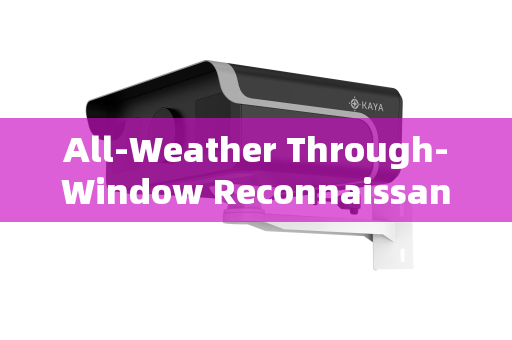
Penetration Imager Effect Images
Core Principles
- Safety First: Avoid compromising patrol position; rural structures may house armed occupants.
- Legal Compliance: Understand local laws regarding trespass, privacy, and surveillance.
- Stealth & Patience: Movement and light discipline are critical; rural soundscapes are quieter.
- Environmental Adaptation: Techniques must adjust for weather, lighting, and seasonal changes.
Pre-Mission Preparation
A. Intelligence Gathering
- Analyze satellite/aerial imagery of target structure and approaches.
- Identify natural concealment (tree lines, topography, outbuildings).
- Note potential observation points (OPs) with multiple escape routes.
- Research typical activity patterns (e.g., morning livestock care, evening routines).
B. Weather & Light Analysis
- Daylight: Plan around sun position to avoid glare/shadows compromising OP.
- Night: Check moon phase (new moon preferred), cloud cover, ambient light sources.
- Weather: Prepare for wind (noise), rain (visibility, noise), fog (limited range), extreme temperatures (equipment/operator endurance).
C. Equipment Selection
Primary Optics:
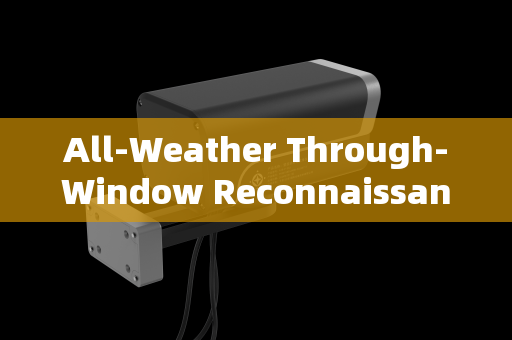
Penetration Imager Effect Images
- Variable magnification scope (3-15x) with objective lens ≥50mm for light gathering.
- Stabilized binoculars for extended observation.
- All-Weather Additions: Lens hoods, anti-fogging systems, rain covers.
Low-Light/Night:
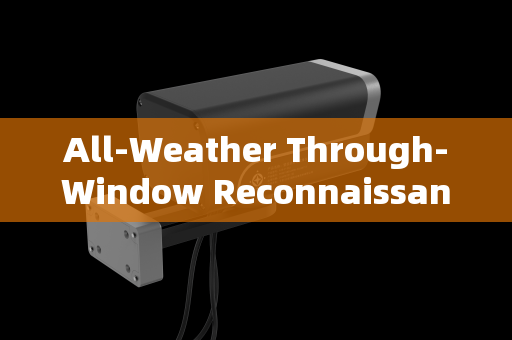
Penetration Imager Effect Images
- Generation 3+ night vision goggles/monocular.
- Thermal imaging scope (uncooled LWIR for cost/durability).
- Infrared illuminator (covert) – use judiciously as some wildlife cameras detect IR.
Support Gear:
- Camouflage appropriate to season (consider ghille suit in vegetation).
- Ground pad/small tarp for moisture insulation.
- Silent communication (bone conduction headset if team op).
- Power banks for electronic devices.
Execution Phases
A. Infiltration to Observation Point
- Timing: Move during natural noise (wind, animal activity) or low-light periods.
- Approach: Use terrain masking; avoid skylining on ridges.
- Final Movement: Slow crawl, testing for noise (dry leaves, twigs) with each movement.
- OP Establishment: Ensure 180°+ cover; use natural vegetation for hide construction.
B. Observation Techniques by Condition
i. Clear Weather (Day)
- Sun Behind Observer: Critical to avoid lens flare and reduce shadow visibility.
- Window Glare Mitigation: Observe at angles; polarized filters can help.
- Heat Haze Distortion: Observe in early morning/late afternoon when ground temps stabilize.
- Technique: Scan systematically (left-right, near-far); note reflections that may reveal observer.
ii. Low Light (Dawn/Dusk)
- Optical Advantage: Often the best balance of ambient light and human activity.
- Transition Planning: Have night vision/thermal ready before full dark.
- Technique: Focus on illuminated windows; eyes take 30+ minutes to fully adapt to dark.
iii. Night (No/Low Ambient Light)
- Night Vision (NVG): Effective with starlight; useless in total darkness/obscured canopy.
- Thermal: Penetrates glass poorly (reflects) but shows heat signatures inside if glass is cold. Best for detecting occupancy/activity behind curtains.
- IR Illuminator: Use sparingly; can be detected by modern security systems.
- Technique: Listen intently; sound carries farther at night.
iv. Adverse Weather
- Rain: Use optics with weatherproofing; rain can mask noise but reduces visibility.
- Fog: Thermal becomes primary sensor (penetrates fog better than optical).
- Snow: Extreme sound discipline (crunch carries); white camouflage essential.
- High Wind: Use gusts to mask movement; secure equipment against noise.
C. Through-Window Specifics
- Angles: Observe from extreme angles to glass to reduce interior reflection.
- Interior Lights: Nighttime interior lighting turns windows into mirrors; position accordingly.
- Curtains/Blinds: Look for gaps, partial openings, or shadows cast behind them.
- Secondary Indicators: Vehicle presence, chimney smoke, generator sounds, animal behavior.
- Patience: Occupants may only pass windows intermittently; prepare for long static watches.
D. Withdrawal
- Plan withdrawal route independent of approach.
- Wait for natural cover (weather, animal disturbance).
- Conduct silent gear check to ensure nothing left behind.
- Depart slowly; haste increases noise and visibility.
Documentation
- Log times, weather, light conditions, and observations.
- Sketch or photograph (with appropriate lens) building layout/window locations.
- Note patterns: what lights come on when, vehicle movements, etc.
- Record any security measures observed (cameras, dogs, sensors).
Safety & Legal Considerations
- Rural Specifics: Be aware of hunting seasons, landowners potentially armed, wildlife hazards.
- Boundaries: Know trespass laws; in many areas, roadside observation from public easement is legal, but crossing fences may not be.
- Engagement Criteria: Define ROE – this is reconnaissance only unless immediate threat to life.
- Communications: Have check-in schedule and emergency extraction plan.
Equipment Maintenance for All-Weather Ops
- Daily: Lens cleaning (microfiber, fluid), moisture removal from housings.
- Post-Mission: Full inspection, battery recharge in controlled climate.
- Storage: Silica gel in cases, avoid temperature extremes.
Training Recommendations
- Practice observation at varying distances in multiple weather conditions.
- Train on rapid transitions between optical, NVG, and thermal.
- Conduct stress shoots (after observation) to simulate adrenaline effects.
- Study wildlife behavior to mimic movement and avoid alerting animals.
Annex A: Quick Reference – Conditions & Primary Sensor
| Condition | Primary Sensor | Secondary Sensor | Key Tip |
|---|---|---|---|
| Bright Sun | Optical (polarized filter) | Beware shadow length & glare | |
| Overcast Day | Optical | Best optical clarity; minimal glare | |
| Rain | Weatherproofed Optical | Thermal | Use rain noise for movement |
| Fog/Mist | Thermal | Optical nearly useless in thick fog | |
| Dawn/Dusk | Optical transitioning to NVG | Critical transition period | |
| Moonlit Night | NVG | Optical (low light) | Moon creates shadows |
| Overcast Night | Thermal | NVG+IR illuminator | Pitch black limits NVG |
| Snow | Thermal (for detection) | White-camouflaged optical | Sound discipline critical |
Annex B: Rural-Specific Risks & Mitigations
- Wildlife: Animals may reveal your position; learn to recognize alarm calls.
- Isolated Dwellings: Longer police response = more armed residents.
- Agricultural Schedules: Activity often begins before dawn.
- Limited Cover: In open farmland, use drainage ditches, hedgerows.
- Community Awareness: Strangers are noted; blend in or avoid being seen.
This document is for training and procedural development only. Always operate within applicable laws and regulations. Legal review for jurisdictional compliance is required before implementation.