Technology Overview
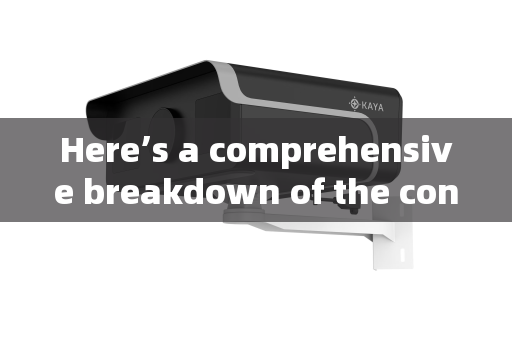
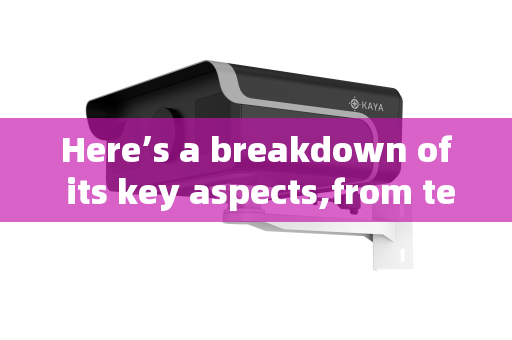
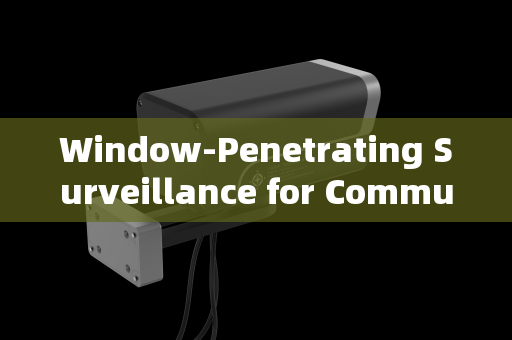
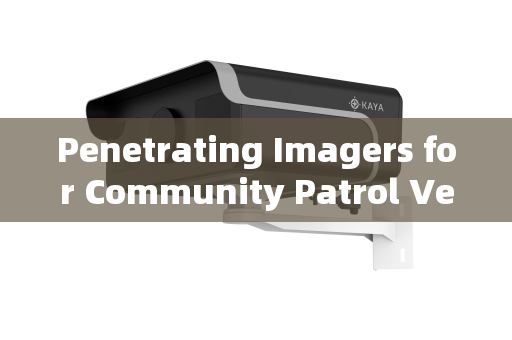
Penetrating imagers use advanced sensor technologies to detect concealed threats through vehicle glass and certain other materials. These systems typically employ:
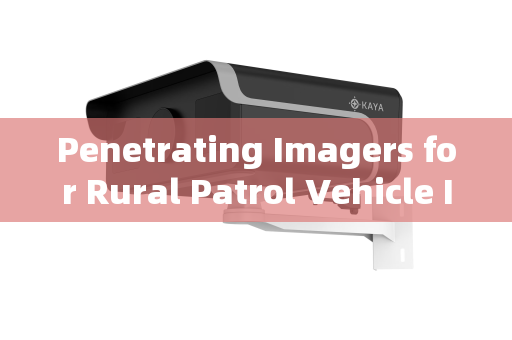
Penetration Imager Effect Images
- Terahertz imaging: Detects non-metallic objects through clothing and some barriers
- Advanced X-ray backscatter: Identifies organic and inorganic materials
- Millimeter wave technology: Effective for detecting objects under clothing and thin coverings
- Infrared and thermal variations: Can reveal hidden compartments through temperature differentials
Key Benefits for Rural Patrol Operations
Enhanced Officer Safety
- Identify weapons before approaching vehicles
- Detect suspicious packages or devices
- Reduce surprise threats during routine stops
Non-Intrusive Screening
- Inspect vehicles without physical search unless warranted
- Maintain respectful interaction with community members
- Expedite checkpoint operations
Detection Capabilities
- Firearms and weapons concealed in door panels, seats, or dashboards
- Drug parcels and contraband in hidden compartments
- Explosive materials and components
- Stowed persons in cargo areas
Operational Implementation
Portable Systems
- Handheld units for individual officer use
- Mounted systems for patrol vehicles
- Checkpoint configurations for stationary operations
Integration Considerations
- Training requirements for interpretation of imaging results
- Legal protocols for permissible use
- Data storage and privacy safeguards
- Maintenance and calibration needs
Limitations and Challenges
- Glass interference: While "penetrating," effectiveness varies with glass type and condition
- Weather considerations: Performance may degrade in rain, fog, or extreme temperatures
- False positives: Require officer interpretation and verification
- Cost factors: Significant investment for rural departments with limited budgets
- Privacy balance: Between threat detection and community expectations
Strategic Advantages in Rural Contexts
- Extended Response Times: Enhanced threat assessment when backup may be distant
- Drug Interdiction: Critical for rural areas affected by trafficking routes
- Stolen Vehicle Recovery: Detect tampering and hidden identifiers
- Border and Reservation Security: Non-intrusive screening in sensitive areas
Best Practices
- Clear policies: Documented procedures for technology use
- Community education: Explain purpose and limitations to maintain trust
- Multi-layered approach: Combine technology with observational skills and intelligence
- Regular audits: Ensure proper use and effectiveness assessment
Penetrating imaging technology represents a significant advancement in officer safety and threat detection for rural law enforcement, providing an additional layer of security during the inherently vulnerable moments of vehicle stops and inspections.
Penetration Imager Effect Images
Penetration Imager Effect Images