In the perpetual, high-stakes battle against transnational crime, border security forces face a formidable challenge: detecting and intercepting illicit activities that are deliberately concealed under the cover of darkness, adverse weather, or within shielded vehicles and vessels. Traditional surveillance methods often fall short against sophisticated smuggling operations. This is where advanced penetration imaging systems emerge as a game-changing technological asset, fundamentally transforming the capabilities of border surveillance and smuggling reconnaissance.
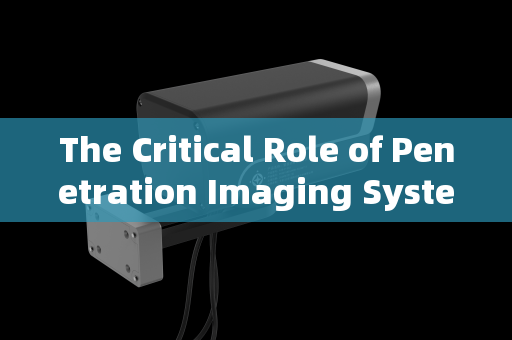
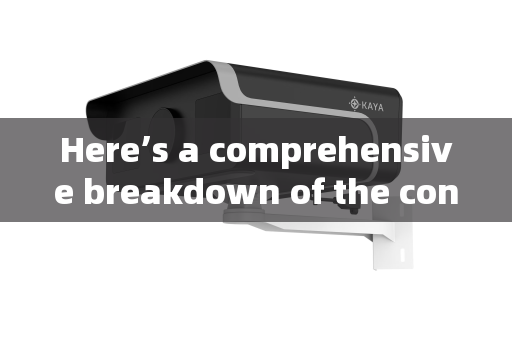
Penetration Imager Effect Images
Understanding Penetration Imaging Technology
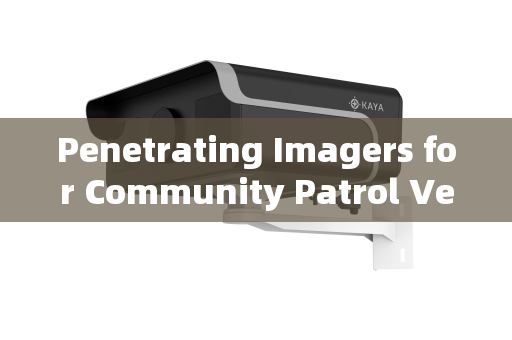
At its core, a penetration imaging system is a sophisticated electro-optical device designed to "see" through visual obstructions that render conventional cameras and night-vision equipment ineffective. The technology hinges on advanced Laser Range-Gated Imaging (LRG) or gated imaging techniques. It innovatively combines a high-repetition-frequency pulsed laser with a gated intensifier camera.
The system operates by emitting ultra-short, nanosecond pulses of laser light. A precisely synchronized gated camera acts as an ultrafast optical shutter, opening only for a minuscule window (as short as 3 nanoseconds) timed to coincide with the return of laser light from a specific "slice" of space. By progressively delaying this time gate, the system scans through different range intervals, stacking these "slices" to construct a clear, high-contrast image of the target area. This process offers several decisive advantages:
- Extended Imaging Range & High Range Resolution: Enables target identification at distances far beyond passive night vision.
- Superior Anti-Interference & Backscatter Suppression: Effectively rejects light clutter from ambient sources (e.g., urban lights, vehicle headlights) and backscatter from obscurants like fog, smoke, or rain, which typically "white out" standard imaging.
- Covert, Non-Invasive Penetration: The system can passively detect or actively illuminate a scene with eye-safe, invisible laser wavelengths, allowing for undetected surveillance. Its key capability is penetrating various glazing media—car windows, laminated glass, train and aircraft windows—as well as atmospheric obscurants (smoke, mist, haze, light rain/snow) to reveal interior details.
The system's hardware typically comprises a pulsed laser illuminator, a beam expander, an imaging lens, and the crucial gated intensifier camera. This camera integrates a Microchannel Plate (MCP) image intensifier, high-voltage modules, and precision timing circuitry, achieving optical gains exceeding 10^6 and synchronization precision better than 10 picoseconds, enabling high-fidelity 2D and 3D information acquisition.
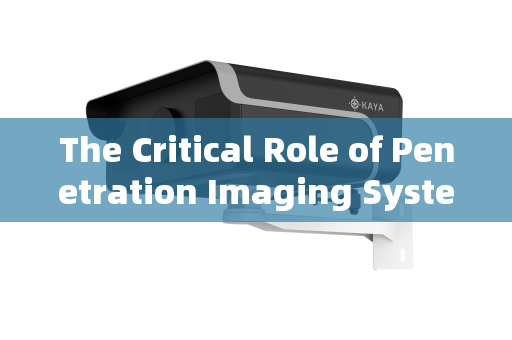
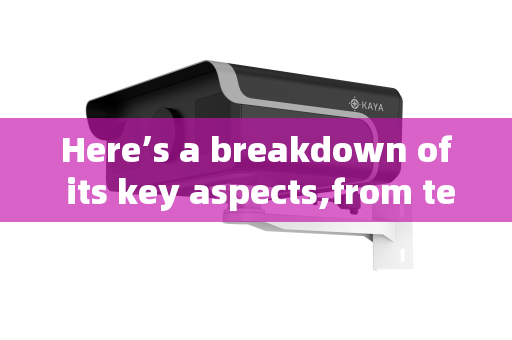
Penetration Imager Effect Images
Application in Border Smuggling Reconnaissance
The operational profile of border and coastal surveillance aligns perfectly with the strengths of penetration imaging systems. Smugglers exploit darkness, fog, and the visual privacy of vehicle compartments to move contraband, humans, or illicit goods. This technology directly counters these tactics.
-
Concealed Cargo & Vehicle Interdiction: From fixed observation posts or mobile patrol units, agents can scan vehicles approaching border crossings or moving in remote areas. The system can penetrate darkened or tinted vehicle windows and windscreens, revealing the number of occupants, their activities, and the presence of hidden cargo compartments or non-standard modifications without alerting the suspects. This enables targeted, intelligence-led stops, increasing interdiction success rates while streamlining legitimate traffic flow.
-
Coastal & Maritime Surveillance: In maritime domains, smuggling via small boats, fishing vessels, or semi-submersibles is common. Penetration imaging systems equipped with long-range fog-penetration and glare suppression capabilities allow coast guard and naval vessels to maintain surveillance in poor visibility—thick fog, mist, or darkness—critical for monitoring coastal approaches, anchorages, and ship-to-ship transfers. The ability to see through light precipitation and spray ensures continuous operational capability.
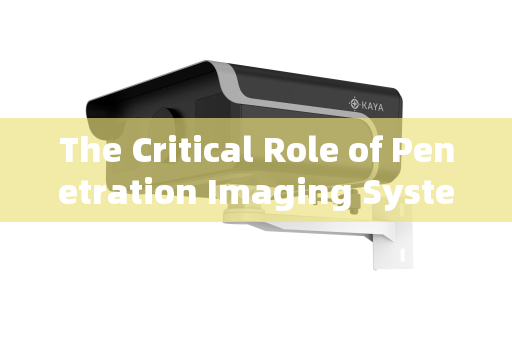
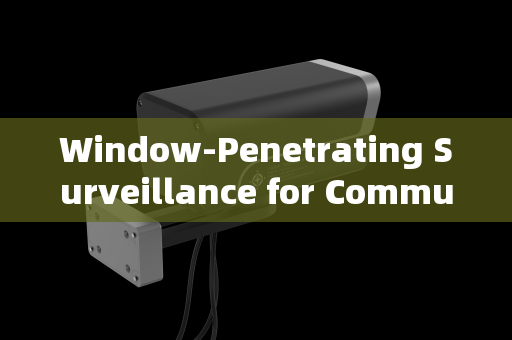
Penetration Imager Effect Images
-
All-Weather, 24/7 Reconnaissance: Smuggling operations do not halt for bad weather. The system’s resilience to atmospheric obscurants ensures that reconnaissance patrols and automated surveillance towers maintain a clear visual track of border zones, suspected trails, and crossing points regardless of time of day or light weather deterioration like rain, snow, or haze.
-
Covert Observation and Evidence Gathering: For protracted reconnaissance missions targeting smuggling networks, the ability to conduct covert surveillance is paramount. The system's potential for passive operation or use of invisible illumination allows for extended observation of staging areas, lookout posts, or border breaches without revealing the monitoring position, facilitating evidence collection and the identification of key individuals.
-
Integration with Broader Security Architectures: Data from penetration imaging systems can be fused with radar tracks, thermal imaging, and signals intelligence within Smart Border or Comprehensive Maritime Domain Awareness platforms. This creates a common operational picture, allowing command centers to correlate anomalies—a vehicle stopped in a remote area at night, a vessel running without lights—with clear visual confirmation, enabling faster, more informed decision-making for interception teams.
Conclusion
In the complex and demanding theater of border security, the penetration imaging system transcends being merely another sensor. It acts as a force multiplier, granting security personnel the unparalleled ability to strip away the natural and deliberate cloaks used by smuggling entities. By providing clear, actionable visual intelligence in conditions where traditional optics fail, it shifts the tactical advantage decisively towards law enforcement and border protection agencies. From thwarting drug and weapon trafficking to disrupting human smuggling rings, the role of this technology in modern border smuggling reconnaissance is not just supportive; it is increasingly indispensable, paving the way for more proactive, effective, and secure border management strategies worldwide.