In the high-stakes realm of dignitary protection, where the safety of VIPs, heads of state, and key assets is paramount, security teams are relentlessly pursuing technological edges. Traditional surveillance and reconnaissance methods often falter against obscured sightlines,恶劣天气, or deliberate concealment behind barriers. It is within this operational gap that advanced Penetration Imaging Systems emerge as a transformative force, fundamentally enhancing the efficacy and proactivity of dignitary security supervision.
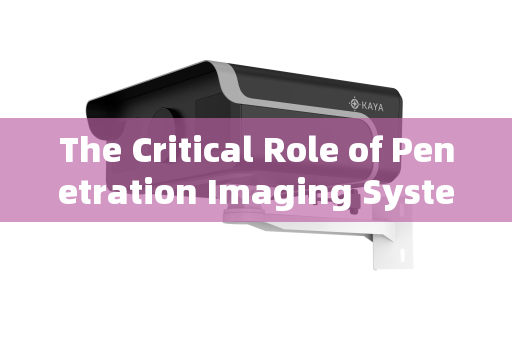
Penetration Imager Effect Images
Understanding Penetration Imaging Technology
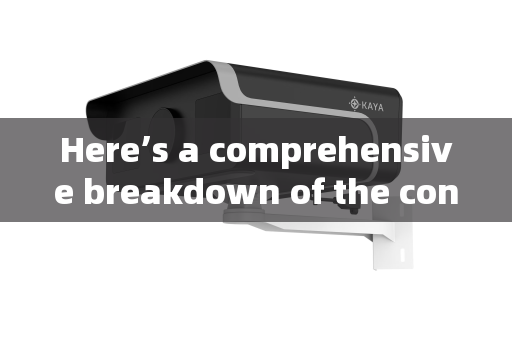
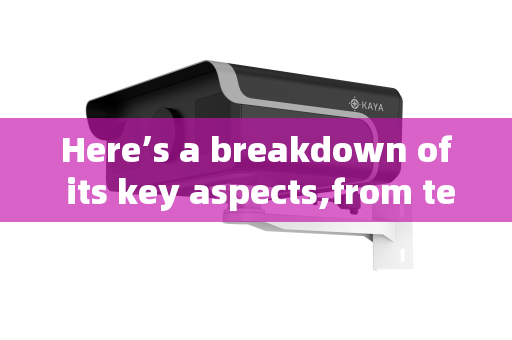
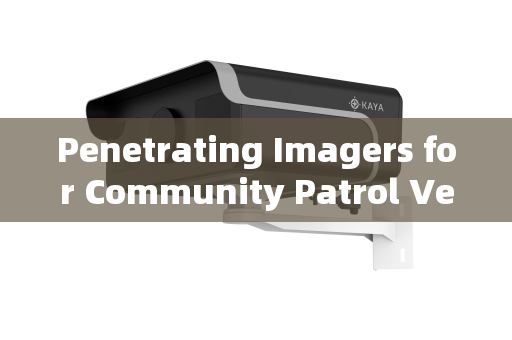
A Penetration Imaging System is not conventional optical equipment. Its core innovation lies in employing Laser Range-Gated Imaging (LRG) technology. This sophisticated method ingeniously pairs a high-repetition-rate pulsed laser with a gated, intensified camera. The system operates by emitting ultra-short nanosecond laser pulses and precisely synchronizing the camera’s shutter to open only for the precise moment when the reflected light from a specific "slice" of distance returns. By sequentially scanning and stacking these temporal-distance slices, the system constructs a high-contrast image of the target scene.
This technical approach confers exceptional capabilities:
- Extended Imaging Range & High Resolution: Achieves clear visualization at distances far beyond passive night vision.
- Superior Anti-Interference & Backscatter Suppression: Effectively "sees through" obscurants like smoke, fog, haze, rain, and snow, which would blind conventional cameras.
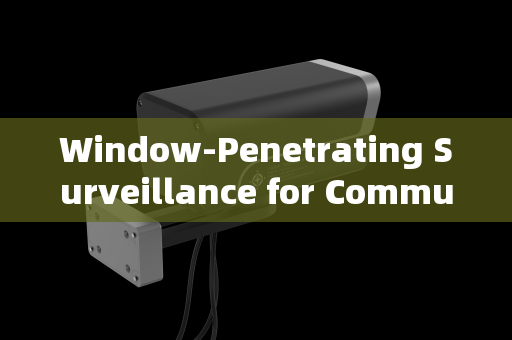
- Covert Penetration of Barriers: Capable of non-invasively imaging through various glass types—car windows, building幕墙, specialized aviation or高铁 glass—without alerting subjects inside.
- Operation in Extreme Low-Light/No-Light Conditions: Functions independently of ambient light.
- Precision 3D Data Acquisition: With components like the Microchannel Plate (MCP) image intensifier enabling >10^6 optical gain and ultra-precise (sub-10ps) synchronization, the system can gather accurate three-dimensional spatial intelligence.
Pivotal Applications in Dignitary Security Supervision
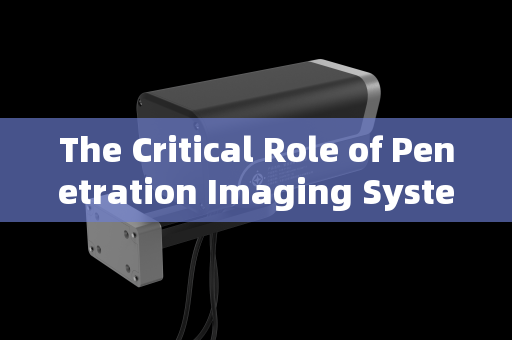
Penetration Imager Effect Images
The unique attributes of penetration imaging directly address critical vulnerabilities in protective operations, playing several indispensable roles:
Advanced, Covert Reconnaissance and Threat Detection Security details conduct advance security sweeps of routes, venues, and perimeters. Penetration imaging allows operatives to covertly scan buildings, parked vehicles, or wooded areas from a safe standoff distance, detecting hidden individuals, weapons, or suspicious packages through windows or light foliage. This enables the identification of potential snipers, improvised explosive devices (IEDs), or ambush positions long before the dignitary’s arrival, facilitating pre-emptive neutralization or route alteration.
Mobile Convoy and Static Site Protection During motorcade movements, the system can be deployed to continuously monitor surrounding vehicles and adjacent buildings. It can penetrate the tinted windows of a trailing car or the glass facade of a structure along the route, assessing occupant behavior and identifying potential threats in real-time. At static sites like hotels or speaking venues, it provides persistent surveillance through external windows, monitoring for any anomalous internal activity that could signal a threat.
Counter-Surveillance and Counter-Sniper Operations Adversaries often conduct pre-attack surveillance from concealed positions. Penetration imaging can help counter-surveillance teams detect these operatives hiding behind reflective玻璃 or in smoke-obscured areas. Its ability to deliver clear imagery in challenging conditions makes it a potent tool for counter-sniper details, especially in urban or complex environments where traditional scopes fail.
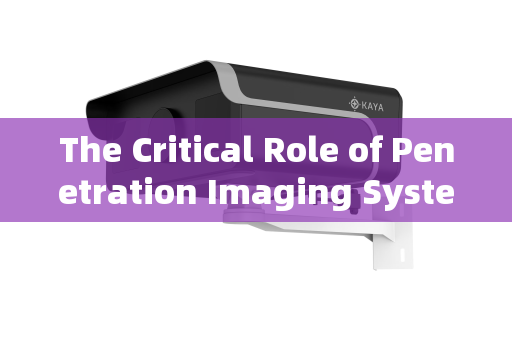
Penetration Imager Effect Images
Emergency Response and Force Protection during Incidents In the event of an attack, fire, or other emergency creating smoke and chaos (e.g., a smoke grenade attack), the system provides critical situational awareness. Rescue teams can locate the principal and security personnel through visual obscurants, while tactical teams can identify hostile threats hiding within the same medium, enabling effective and safe intervention and extraction.
Maritime and Border Security for Dignitary Travel For dignitaries traveling by sea or in border regions, these systems enhance maritime domain awareness and border monitoring. They enable long-range surveillance through fog and mist, support the identification of approaching vessels or individuals on shores, and ensure the security of port approaches and coastal facilities, safeguarding the principal during maritime transit or visits to sensitive border areas.
Evidence Gathering and Investigative Support Following a security incident, penetration imaging data can serve as vital forensic evidence, providing a clear record of events and suspect actions that occurred behind transparent barriers or in poor visibility conditions, aiding in post-event investigations and prosecutions.
Integration into Modern Security Architectures
Penetration imaging systems are a cornerstone technology for Smart Security, Smart Policing, and Intelligent Urban Security frameworks. When integrated with command and control centers, AI-driven analytics, and other sensor data, they create a comprehensive, resilient security umbrella. They move dignitary protection from a reactive posture to a proactive, intelligence-led supervision model.
Conclusion
The role of the penetration imaging system in dignitary security supervision is that of a force multiplier and a decisive informational advantage. By conquering the traditional limitations of visibility—be it darkness, weather, or concealing barriers—it grants protective details the unprecedented ability to detect, assess, and neutralize threats before they materialize. In an era where threats are increasingly sophisticated and concealment is a primary tactic, the adoption of this cutting-edge imaging technology is not merely an upgrade; it is an operational imperative for ensuring the absolute safety of protected persons in a complex and unpredictable global security landscape.