In the high-stakes realm of Very Important Person (VIP) security, the margin for error is virtually nonexistent. Protection details operate in dynamic, often unpredictable environments where traditional surveillance and reconnaissance methods can fall short due to obstructions,恶劣weather, or deliberate concealment. Enter the advanced penetration imaging system—a technological paradigm shift that is redefining the capabilities of security teams in proactive threat detection, intelligence gathering, and operational oversight during VIP protection missions.
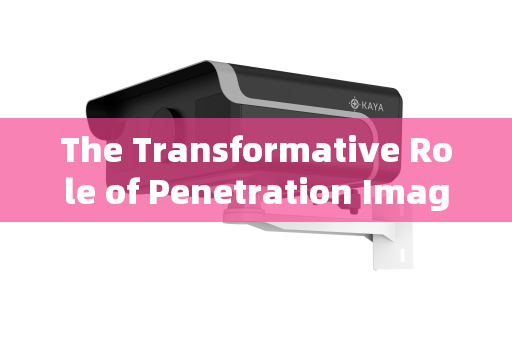
Penetration Imager Effect Images
Understanding Penetration Imaging Technology
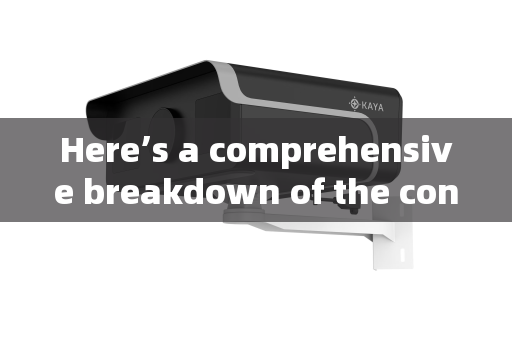
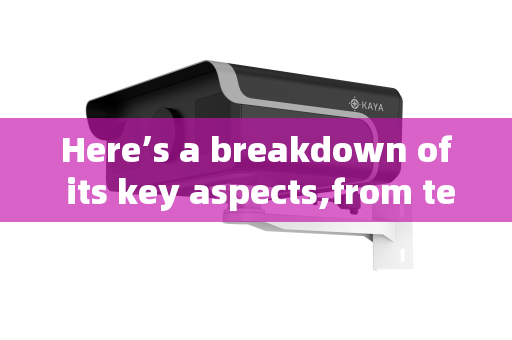
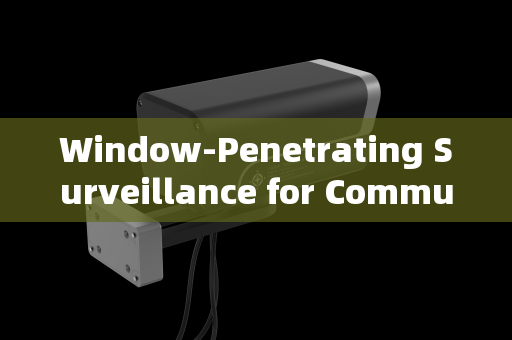
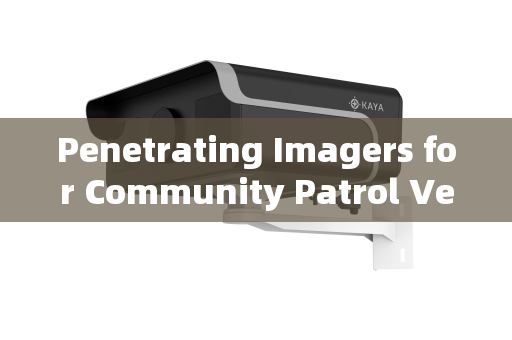
At its core, a penetration imaging system is not a conventional camera. It employs cutting-edge Laser Range-Gated (LRG) imaging, or gated imaging technology. This innovative approach synergizes a high-repetition-rate pulsed laser with an intensified gated camera. The system operates by emitting nanosecond laser pulses and precisely synchronizing the camera's ultra-fast shutter (with gating times under 3ns) to capture light reflected only from a specific, pre-determined "slice" of space. By sequentially scanning these time-delayed slices, it builds a high-contrast, high-resolution image of the target area.
This method grants the system extraordinary capabilities: exceptional imaging range, high distance resolution, powerful resistance to backscatter from obscurants, and robust performance against various interferences. Crucially, it can "see through" visual barriers that stymie standard optics. This includes penetrating various glass mediums—car windows, building curtain walls, specialized reinforced glass, train and aircraft windows—as well as adverse atmospheric and particulate conditions like fire, smoke, rain, snow, fog, and haze to detect and identify subjects or objects behind them. The system's components, including the pulsed laser, gated/intensified camera (featuring a Microchannel Plate (MCP) for gains exceeding 10^6x), beam expander, and imaging lens, work in concert to achieve sub-10 picosecond synchronization precision, enabling high-fidelity 3D information acquisition.
Application in VIP Security Supervision: A Multilayered Shield
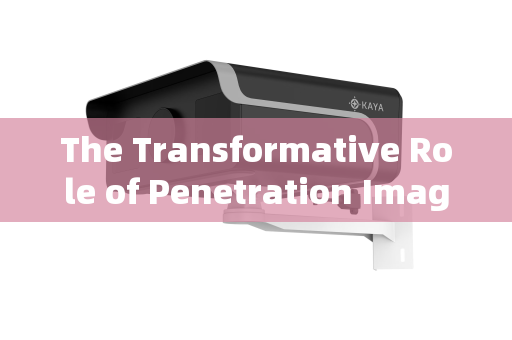
Penetration Imager Effect Images
The integration of penetration imaging systems into VIP security protocols introduces an unprecedented layer of proactive oversight and situational awareness.
-
Advanced Route Reconnaissance & Convoy Security: Prior to a VIP motorcade movement, security teams can deploy these systems for covert route surveys. They can scan buildings along the planned path, penetrating windows to detect potential threats—individuals, weapons, or suspicious devices—positioned indoors from a safe standoff distance. During transit, vehicle-mounted systems can maintain surveillance of surrounding structures and vehicles, identifying anomalous behavior or concealed occupants through tinted glass, effectively mitigating ambush risks.
-
Venue Security and Perimetrical Oversight: For events at hotels, conference centers, or private residences, the system acts as a force multiplier. It can monitor large perimeters through foul weather (fog, rain) or darkness. Its ability to see through external glass幕墙 allows security command centers to conduct internal surveillance of adjacent buildings without physical intrusion, identifying potential狙击手 positions or observation posts aimed at the secured venue.
-
Counter-Terrorism & Anti-Surveillance Operations: In high-threat environments, the system is invaluable for秘密侦查(covert reconnaissance) and counter-surveillance. It can be used to vet suspicious vehicles (checking for超员overloading, hidden compartments) or scan vessels in maritime approaches. Its ability to gather evidence (侦察取证) through obstructions supports pre-emptive行动 against plots involving kidnapping or attacks.
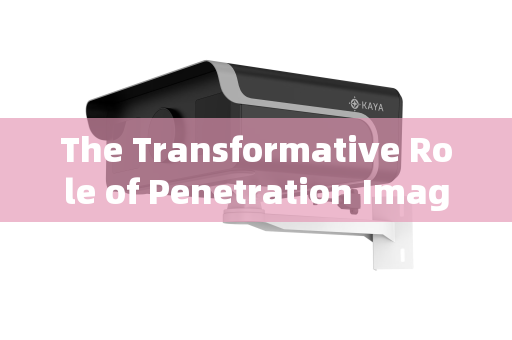
Penetration Imager Effect Images
-
Emergency Response Integration: VIP security plans must account for crises like fires or structural failures. Here, the system's roots in firefighting and Urban Search and Rescue (USAR) prove vital. In a fire incident at a venue, security and rescue teams can use the system to navigate through thick smoke, identify hotspots, and locate trapped individuals—including the VIP and their entourage—through flames and debris, drastically improving rescue efficiency and guiding extraction routes.
-
Maritime & Aviation Security: For VIPs traveling by yacht or private aircraft, or visiting coastal/port facilities, the system's 海防边防 capabilities come to the fore. It ensures reliable long-range identification and tracking of approaching vessels through haze and fog (透雾成像), manages glare from water surfaces (强光抑制), and safeguards against unauthorized maritime approaches during waterfront events or dockings.
Synergy with Modern Security Infrastructures
The penetration imaging system dovetails seamlessly with the frameworks of Smart Security, Smart Policing, and Smart City initiatives. It feeds critical, real-time visual intelligence into centralized command and control platforms. This data fusion, combined with AI analytics, enables predictive threat modeling, automated alert generation for anomalous penetrations of secure zones, and enhanced forensic capabilities for post-incident investigation.
Conclusion
The penetration imaging system transcends being merely a new sensor; it is a transformative tool for VIP security supervision. By rendering the invisible visible and turning opaque barriers into transparent windows of intelligence, it empowers security details to shift from a reactive posture to a dominantly proactive one. It provides unmatched capabilities in pre-mission intelligence preparation, real-time threat assessment during movement and static protection, and effective response during contingencies. In safeguarding individuals whose safety is of paramount national or organizational importance, this technology is rapidly becoming an indispensable component of the modern, multi-layered security arsenal, ensuring supervision is not just observant, but perceptive to threats hidden in plain sight—or deliberately concealed behind it.