Enhancing Safety and Efficiency: The Critical Role of Penetration Imaging Systems in Community Patrol Vehicle Inspections In the evolving landscape of public safety and community policing, the demand for advanced, non-invasive, and highly effective surveillance technologies is paramount. Among these, the Penetration Imaging System (PIS), leveraging cutting-edge Laser Range-Gated Imaging (LRGI) technology, has emerged as a transformative tool. Its role in community patrol vehicle inspections** is particularly significant, fundamentally enhancing the capabilities of law enforcement officers to ensure security, enforce regulations, and conduct investigations with unprecedented precision and safety.
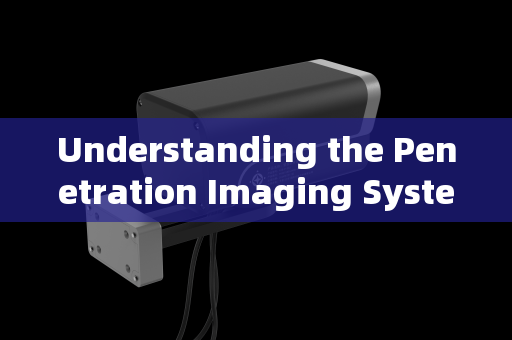
Penetration Imager Effect Images
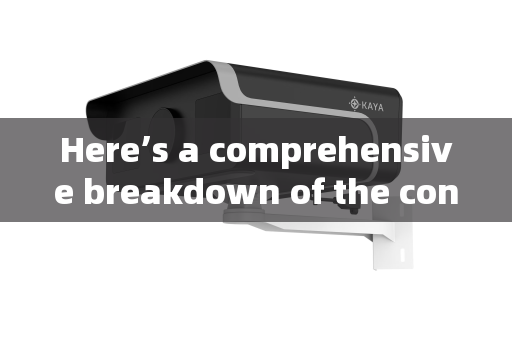
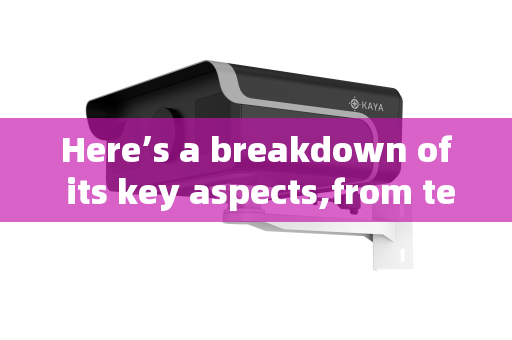
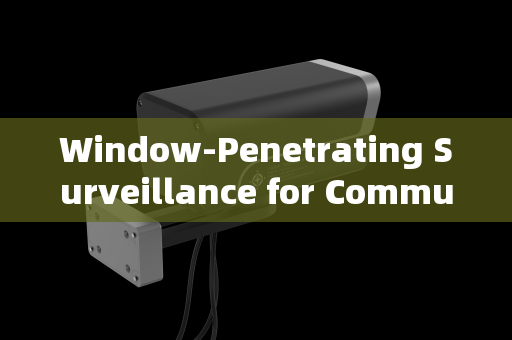
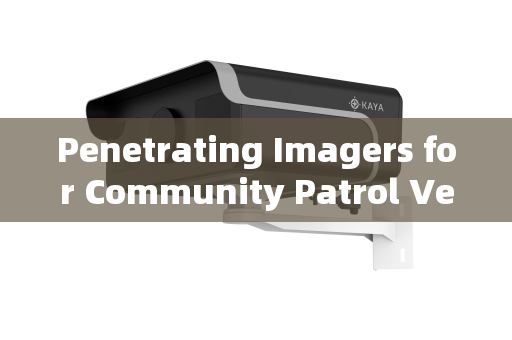
A Penetration Imaging System is not a conventional camera. It is a sophisticated optoelectronic device designed to "see" through visual obstructions that typically hinder observation. At its core, it integrates a high-repetition-rate pulsed laser with a gated intensifier camera. The system operates by emitting ultra-short (nanosecond) pulses of laser light. The camera's shutter, or "gate," is synchronized with extreme precision (often better than 10 picoseconds) to open only for the exact moment when light reflected from a specific, pre-determined distance slice returns. By progressively scanning through different distance slices, the system constructs a clear, high-contrast image of the target zone.
This gated imaging technology grants the PIS its remarkable abilities:
- Penetration of Media: It can effectively "see through" various obscurants like smoke, fog, haze, light rain, and snow, as well as transparent barriers such as vehicle windows (car, train, aircraft), glass facades, and specialty glass.
- Performance in Extreme Conditions: It excels in low-light or no-light environments, provides long-range imaging capability, boasts high range resolution, and critically, suppresses back-scatter from particles in the air (like fog or smoke) that normally blind traditional cameras and spotlights.
- Covert Operation: The system can function in a near-passive or low-observable manner, allowing for discreet surveillance without alerting subjects.
The Critical Role in Community Patrol Vehicle Inspections
Community patrol vehicles are the frontline mobile units for crime prevention, traffic enforcement, and emergency response. Inspections of vehicles, whether during routine traffic stops, checkpoint operations, or specific investigative scenarios, are high-risk, high-stakes activities. The PIS plays a multi-faceted role in revolutionizing this process:
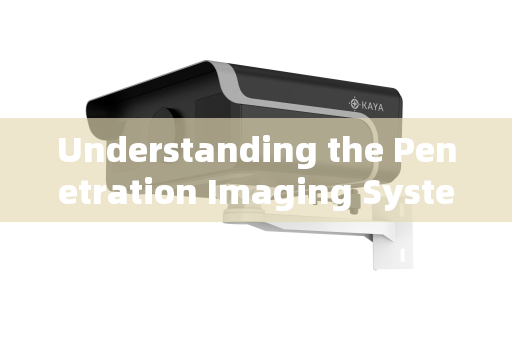
Penetration Imager Effect Images
Enhanced Officer Safety and Situational Awareness: Approaching a stationary vehicle, especially at night or in adverse weather, presents inherent dangers. A PIS mounted on the patrol vehicle allows officers to conduct a preliminary, long-range standoff inspection before exiting their cruiser. They can discretely scan the suspect vehicle's interior through its windows to identify the number of occupants, their posture, and potentially visible weapons or threatening movements hidden from plain sight. This pre-engagement intelligence is invaluable for tactical planning and threat assessment, preventing ambushes and ensuring officer safety.
Non-Intrusive Contraband and Evidence Detection: Traditional inspections often require probable cause and physical search. A PIS provides a non-invasive screening tool. It can help identify anomalies within a vehicle. For instance, it can reveal suspicious packages, concealed compartments (by imaging through certain non-metallic materials or layers), or equipment associated with criminal activity. While not a definitive contraband identifier, it provides strong visual cues that can justify further lawful inspection steps, aiding in interdiction of illegal firearms, drugs, or stolen goods.
Effective Operations in Low-Light and Adverse Weather: A significant portion of patrol duties occurs after dark or during inclement weather. Standard optical systems fail in heavy fog, rain, or smoke. A PIS maintains operational effectiveness in these conditions. During DUI checkpoints in fog or at night, it can clearly image vehicle interiors and occupants. In the aftermath of an accident with potential fire or smoke, it can be used to assess the situation inside damaged vehicles before rescue teams approach, identifying trapped individuals or hazardous materials.
Surveillance and Investigative Support: For investigations involving stationary surveillance on a suspect vehicle—be it for narcotics operations, burglary details, or organized crime surveillance—a PIS is indispensable. It allows officers to monitor activity inside a vehicle from a concealed position hundreds of meters away, even through tinted windows and in complete darkness. This enables the gathering of crucial evidence (evidence gathering) on suspect behavior, exchanges of items, or preparation of weapons without compromising the operation.
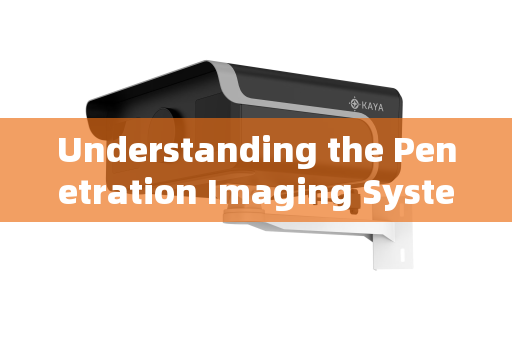
Penetration Imager Effect Images
Search and Rescue Integration: While on patrol, officers are often first responders. If a vehicle is suspected to be involved in a missing person case or is found abandoned in a remote area, a PIS can rapidly scan the surrounding wooded or vegetated area through light foliage or smoke from a distance, aiding in locating individuals.
Deployment and Industry Context
In the law enforcement and emergency services industry, the integration of PIS into community patrol frameworks aligns with the push toward Smart Policing, Smart Cities, and enhanced situational awareness platforms. It is a force multiplier. The technology, proven in military, counter-terrorism, and border security (coastal and land border surveillance) applications for long-range, all-weather imaging and anti-riot operations, is now being right-sized and optimized for municipal police and sheriff's departments.
Conclusion
The Penetration Imaging System is far more than a simple camera; it is a game-changing sensor that grants law enforcement the ability to perceive the previously imperceptible. In the specific context of community patrol vehicle inspections, it serves as a cornerstone technology for proactive threat mitigation, evidence-based enforcement, and unparalleled officer protection. By allowing patrol officers to safely gather critical visual intelligence through obstacles and in total darkness, it transforms high-risk encounters into managed, information-led operations. As public safety demands continue to grow in complexity, the adoption of such advanced imaging systems represents a vital step forward in empowering community patrols to serve and protect with greater effectiveness, efficiency, and safety.