In the high-stakes realm of law enforcement and emergency response, the ability to "see the unseen" often dictates the success of an operation. Nowhere is this more critical than during the high-speed reconnaissance of fleeing suspect vehicles, where every second and every piece of intelligence counts. Traditional optical and thermal systems are frequently defeated by environmental obstructions and vehicle components, creating dangerous information gaps. Enter the advanced Penetration Imaging System (PIS), a technological leap that is fundamentally reshaping tactical reconnaissance by granting officers the unparalleled capability to see through visual barriers.
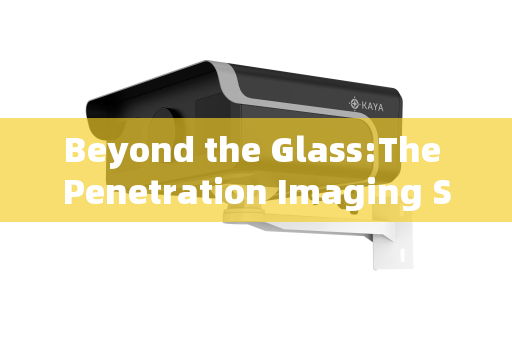
Penetration Imager Effect Images
Understanding the Penetration Imaging System
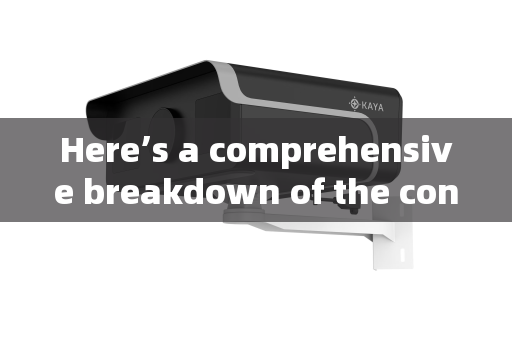
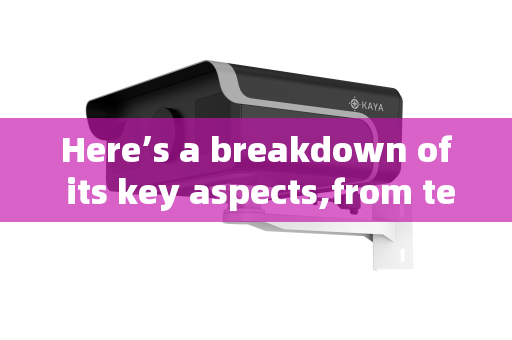
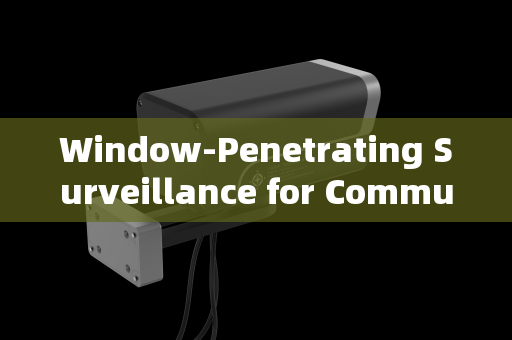
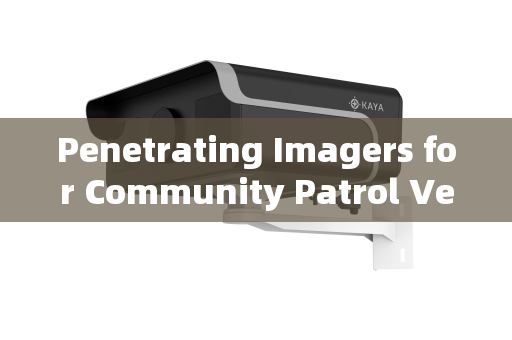
At its core, a Penetration Imaging System is a sophisticated active imaging device designed to overcome the limitations of passive cameras. It employs advanced Laser Range-Gated Imaging (LRG) technology. The system innovatively combines a high-repetition-rate pulsed laser with a gated, intensified camera. The key lies in the precise nanosecond-level synchronization between the laser pulse and the camera's shutter. By controlling the time delay between the laser pulse emission and the camera's gating, the system effectively "slices" the field of view into distinct distance segments. It illuminates and captures only the light returning from a specific, narrow slice of space, rejecting scattered light from obscurants like smoke, fog, or rain, and crucially, from reflecting surfaces like glass.
This technology enables high-contrast imaging in extreme conditions, offering long operational range, high distance resolution, superior resistance to backscatter, and formidable anti-interference capabilities. It fulfills the critical need for long-range, non-invasive penetration through various glass types—car windows, building curtain walls, specialized automotive glass, train and aircraft windows—as well as through atmospheric and particulate mediums (fire, smoke, rain, snow, haze, fog) to detect and identify targets.
System Composition & Capability
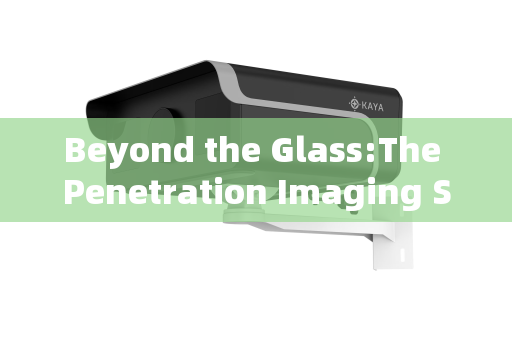
Penetration Imager Effect Images
A typical PIS comprises a pulsed laser illuminator, a gated/intensified camera, beam expanders, and imaging lenses. The heart of the camera is an image intensifier tube with a Microchannel Plate (MCP), coupled with high-voltage, timing, and gating modules. This setup can achieve an optical gain exceeding 10^6, an optical shutter speed faster than 3 nanoseconds, and timing synchronization precision better than 10 picoseconds. This allows not only for clear imaging but also for the precise acquisition of three-dimensional spatial data of the target, a feature invaluable for tactical planning.
Pivotal Role in Fleeing Vehicle Reconnaissance
During the dynamic and perilous phase of pursuing a fleeing vehicle, the PIS transitions from a powerful tool to a decisive force multiplier. Its role is multifaceted:
-
Situational Awareness Through Obstruction: The primary challenge in a vehicle pursuit is the loss of visual contact with the occupants once they retreat behind tinted, reflective, or rain/smear-covered windows. The PIS can penetrate these barriers from a safe standoff distance. This allows reconnaissance units, whether in aerial platforms (helicopters, UAVs) or ground vehicles, to maintain visual on the number of occupants, their physical posture, potential armament, and any concerning activities (e.g., handling weapons, attempting to destroy evidence, or preparing aggressive maneuvers). This intelligence is vital for assessing threat levels and formulating containment strategies.
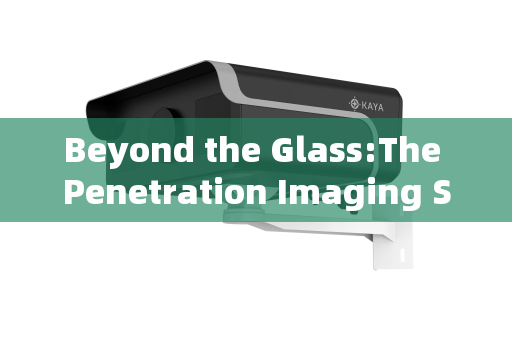
Penetration Imager Effect Images
-
All-Weather, All-Condition Tracking: Pursuits rarely happen under ideal conditions. Nighttime, heavy rain, fog, or even smoke from deliberate attempts to evade capture can blind conventional systems. The PIS's ability to "see through" these mediums ensures continuous surveillance capability. It can maintain a lock on the vehicle's position and, to some extent, monitor interior activity when the suspect vehicle is shrouded in environmental or intentionally created obscurants.
-
Evidence Gathering and Pre-Assault Intelligence: Before initiating a tactical vehicle intervention (TVIT) or a high-risk stop, officers require the best possible intelligence. The PIS can provide critical pre-assault reconnaissance: confirming the suspect's position inside the vehicle, identifying potential hostages, or spotting hazardous materials. This information directly informs the deployment of less-lethal options, sniper positioning, and the approach strategy for arrest teams, maximizing operational safety and effectiveness.
-
Covert Surveillance and Extended Recon: In scenarios involving stationary suspect vehicles or during prolonged stalks, the PIS enables covert observation from concealed positions. Law enforcement can monitor a parked vehicle suspected of being used in criminal activity, gathering evidence on exchanges, occupant behavior, or the presence of contraband without alerting the suspects, all while penetrating the vehicle's glass shell.
Broader Context and Integration
While its role in vehicular pursuits is transformative, the PIS's utility spans the spectrum of public safety and security. In emergency response, it aids firefighters in seeing through smoke and flames during urban and wildland firefighting, locating victims in zero-visibility conditions. In military and border security applications, it facilitates long-range surveillance through fog and haze, supports maritime interdiction, and enhances perimeter security for critical infrastructure.
In conclusion, the Penetration Imaging System is no longer just an exotic sensor; it is becoming an essential component of modern law enforcement's reconnaissance toolkit. By delivering clear, actionable intelligence through the very barriers that once protected fleeing suspects, it empowers officers to make informed decisions, de-escalate situations when possible, and apply precise force when necessary. It bridges the critical information gap in high-speed pursuits, transforming a blind chase into a managed, intelligence-led operation, thereby enhancing officer safety, protecting the public, and ensuring a higher probability of a successful, lawful resolution.