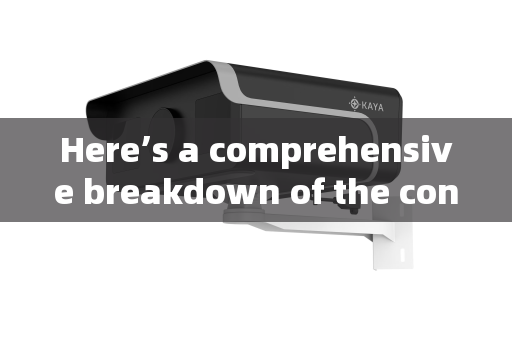
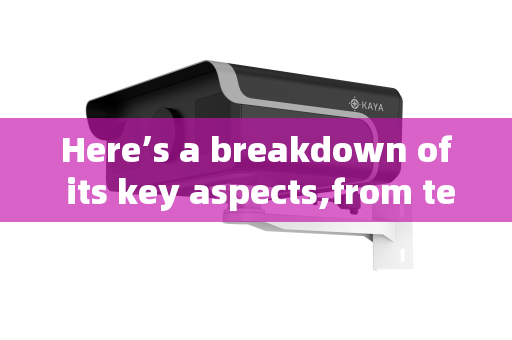
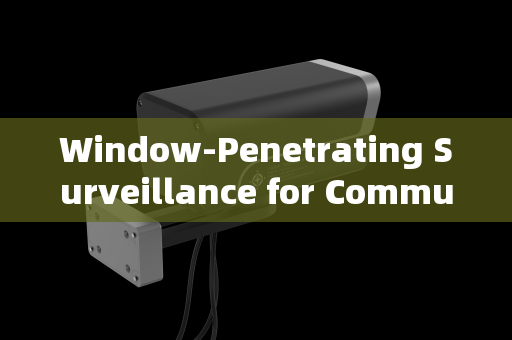
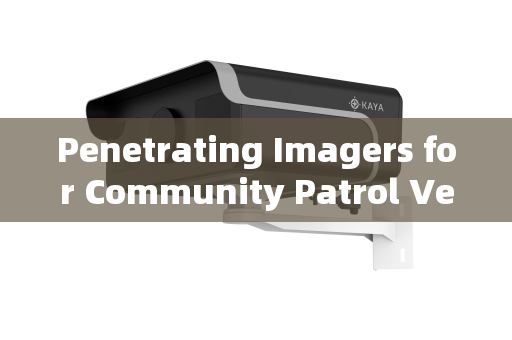
The relentless flow of goods and people across international ports and borders represents both the lifeblood of the global economy and a persistent, evolving security challenge. Traditional inspection methods—visual checks, X-ray scanners for cargo, and manual searches—often reach their limits against sophisticated concealment tactics, adverse environmental conditions, or simply the overwhelming scale of traffic. In this high-stakes arena, a technological sentinel has emerged: the Penetration Imaging System. This advanced capability is fundamentally reshaping the paradigms of vehicular and personnel screening, offering a decisive advantage to security forces worldwide.
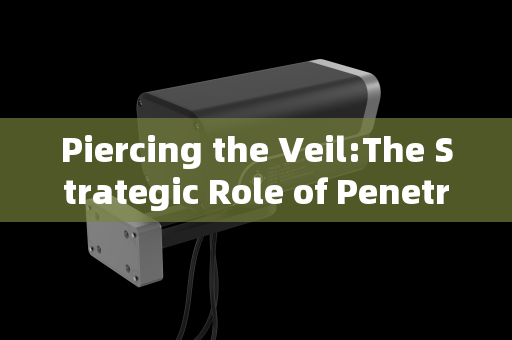
Penetration Imager Effect Images
Understanding the Core Technology
At its heart, a Penetration Imaging System is not merely a camera; it is a master of time and light. It employs cutting-edge Laser Range-Gated Imaging (LRGI) technology. The system innovatively combines a high-repetition-rate pulsed laser with a gated image-intensifier camera. By achieving precise, nanosecond-level synchronization between the laser pulse and the camera's shutter, it can selectively capture light reflected only from a specific, pre-determined "slice" of space. By stacking these temporal slices, it constructs a high-contrast image of the target.
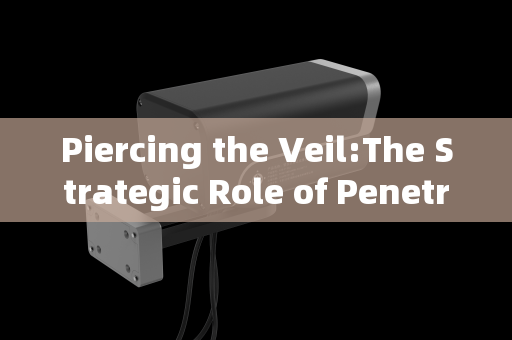
Penetration Imager Effect Images
This method grants the system exceptional capabilities:
- Superior Penetration & Clarity: It can see through various obscurants and interfaces with remarkable clarity. This includes vehicle windows, glass curtain walls, specialized (e.g., tinted or laminated) glass on trains and aircraft, as well as environmental barriers like smoke, fog, haze, rain, and snow. It effectively overcomes the backscatter that blinds conventional imaging in such conditions.
- Extended Range & Precision: It operates effectively at long distances, even in low-light or zero-light environments, providing a stand-off, non-intrusive surveillance capability. The integration of a Microchannel Plate (MCP) image intensifier enables optical gains exceeding 10^6, while ultra-fast gating (below 3ns) and precise timing (better than 10ps) allow for high-resolution 3D data acquisition of the scene.
- Resilience: Its active illumination and gated reception make it highly resistant to interference from ambient light or attempts to blind sensors.
The Transformative Role in Port and Border Inspections
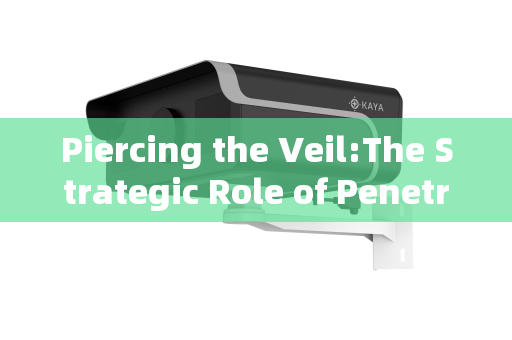
Penetration Imager Effect Images
For Incoming Vehicle Screening: Unprecedented Cargo and Cabin Inspection At busy land borders and port entry points, the system acts as a long-range, non-invasive scout. Security personnel can scan approaching vehicles from a safe distance, even in darkness or poor weather.
- Concealment Detection: It can detect anomalies hidden behind vehicle panels, within seemingly solid cargo loads, or in natural voids. The potential to identify stowaways, smuggled goods, narcotics, or weapons before a vehicle reaches primary inspection lanes is a game-changer for anti-smuggling and counter-narcotics operations.
- Cabinet Inspection: The ability to penetrate windows allows operatives to discreetly assess the number and behavior of occupants inside a vehicle, identifying potential overcrowding (overloading) or signs of hostage situations or imminent threat, which is critical for counter-terrorism and anti-human trafficking missions.
- All-Weather Operation: Its performance in fog, rain, or haze ensures that security protocols are not degraded by environmental conditions, maintaining a constant defensive perimeter for maritime port security and coastal defense operations.
For Personnel Screening and Perimeter Security: Enhanced Situational Awareness While not typically used for individual "pat-down" replacements, these systems provide critical macro-level personnel intelligence.
- Covert Surveillance & Reconnaissance: They enable long-range observation of personnel movements in restricted areas, across fences, or inside structures through windows, feeding vital intelligence for surveillance, evidence gathering, and tracking without alerting subjects.
- Crisis Response: In a barricade, hostage, or active shooter scenario at a border facility, the system can pierce through visual obstructions like smoke from fires or tear gas, allowing tactical teams to locate hostages, identify perpetrators, and plan breaches with unparalleled situational awareness, directly supporting counter-terrorism and law enforcement rescue operations.
- Perimeter & Waterside Monitoring: Integrated into a comprehensive coastal and border security network, these systems can monitor vast waterfronts or remote border stretches day and night, detecting unauthorized approaches by boats or individuals through fog or darkness, a crucial asset for maritime interdiction and border patrol.
Synergy with Broader Security Ecosystems The intelligence gathered by Penetration Imaging Systems does not exist in a vacuum. It feeds directly into the architecture of Smart Borders, Smart Ports, and Smart City initiatives. By providing clear, actionable visual data in real-time, it enhances AI-driven analytics for automated threat recognition, improves decision-making in command centers, and creates a layered, resilient security posture that is proactive rather than merely reactive.
Conclusion
The Penetration Imaging System is far more than a novel piece of hardware; it is a force multiplier for border and port security agencies. By granting them the ability to "see the unseen" through barriers and in conditions that would otherwise offer cover for threats, it closes critical gaps in the security continuum. From combating narco-trafficking and smuggling to foiling terrorist plots and securing national perimeters against clandestine incursions, this technology stands as a pivotal tool in the modern security toolkit. As threats evolve in complexity, the role of such systems in safeguarding the arteries of international trade and travel will only become more indispensable, ensuring that security keeps pace with the challenges of the 21st century.